
Essential corpse disposal strategies in Death Stranding 2 to prevent BT infestations and voidout catastrophes
Understanding the Corpse Disposal Crisis
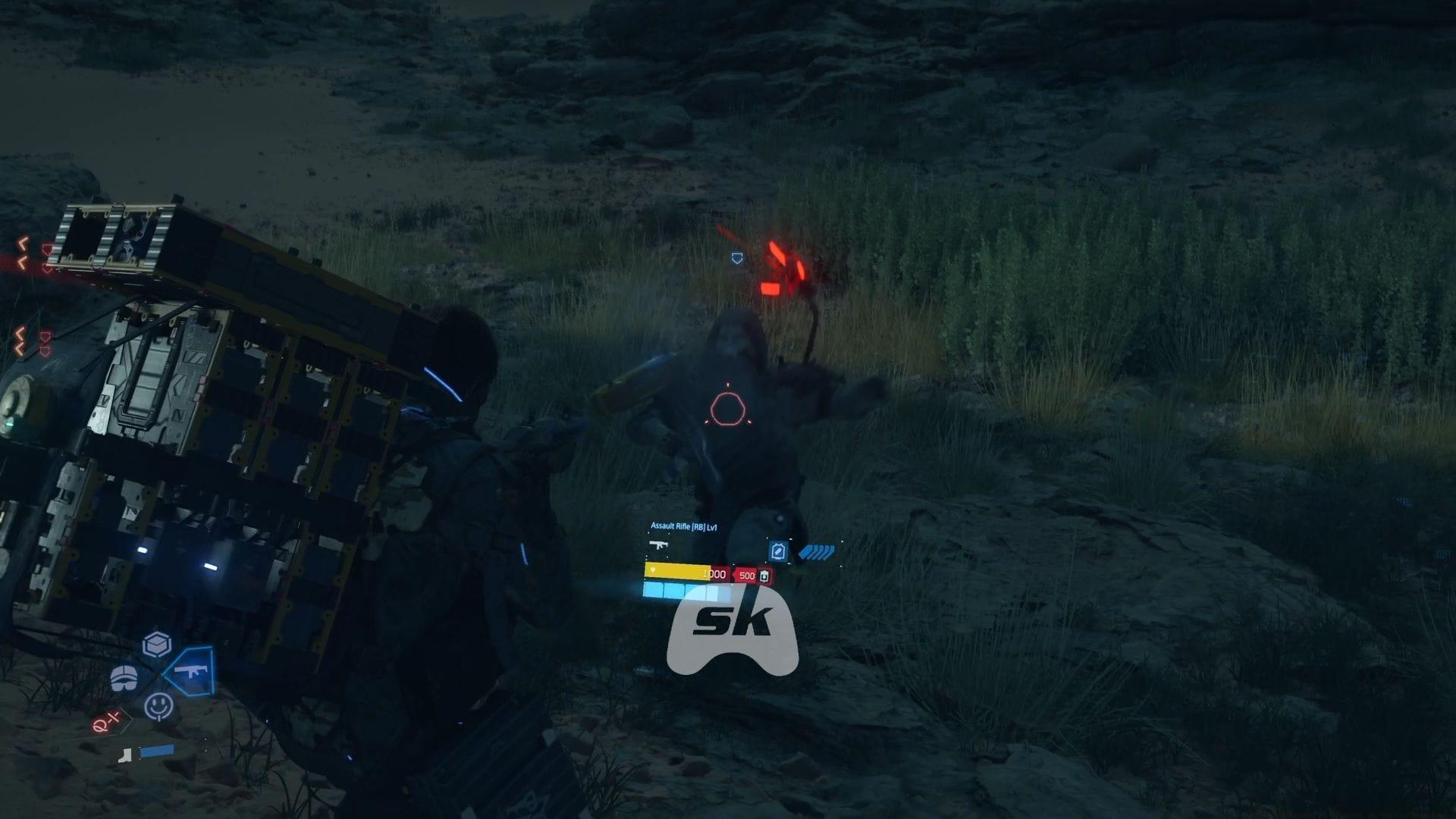
Encountering deceased individuals in Death Stranding 2 represents a critical gameplay mechanic rather than mere environmental cleanup. When human remains remain unprocessed beyond 48 in-game hours, they undergo necrotic transformation into BT portals, creating persistent supernatural hazards throughout the affected region.
The ultimate consequence of neglect manifests as voidout events—cataclysmic antimatter explosions that permanently scar landscapes and eliminate any constructed infrastructure within the blast radius. These devastating occurrences can nullify hours of strategic zipline network development and outpost establishment, making proactive corpse management essential for territorial control.
Facility-Based Disposal Methods
Establishing chiral network connectivity with primary distribution centers like West Fort Knot activates advanced cadaver processing capabilities through terminal interfaces. This infrastructure-dependent approach provides the safest elimination method when available.
Navigation through disposal protocols requires specific terminal menu progression:
- Access the Delivery Terminal interface at any networked facility
- Navigate to the Facility Features operational menu
- Initiate the Corpse Disposal sequence from available options
Successful execution results in thermal incineration of biological materials, permanently neutralizing necro-contamination risks. This method proves most reliable for eliminating multiple corpses simultaneously and integrates seamlessly with standard delivery workflows.
Field Disposal Techniques
Remote operations often necessitate improvised disposal solutions when facility access proves impractical. Tar-immersed geological formations scattered throughout the landscape offer viable alternative disposal sites for isolated incidents.
Effective tar lake utilization demands strict adherence to safety protocols:
- Ensure complete body bag encapsulation before approach
- Monitor submersion until the package disappears beneath the surface
- Maintain safe distance from tar edges during disposal
- Utilize the Otter Hood for enhanced mobility near hazardous terrain
The Otter Hood equipment significantly improves survival odds during aquatic disposal operations by augmenting swimming capabilities and providing additional buoyancy control. This specialized headgear proves invaluable when navigating treacherous tar pits with limited visibility or unstable footing.
Prevention and Damage Control
Superior to any disposal method remains complete avoidance of lethal engagements through tactical non-lethal combat approaches. Unless confronting unavoidable survival scenarios, prioritize incapacitation over elimination through specialized ammunition types.
RB/MP rounds provide effective neutralization without triggering the decomposition cycle, eliminating post-engagement cleanup requirements entirely. This ammunition type temporarily disables hostile entities through neural disruption, creating manageable restraint situations rather than permanent casualties.
When accidental fatalities occur, immediate save reloading offers the most efficient containment solution if identified within the initial discovery period. This reset approach prevents voidout cascade events and preserves territorial integrity when implemented before autosave cycles complete.
Advanced players should maintain dedicated corpse transport equipment including reinforced body bags and specialized carriers to facilitate rapid response to unexpected fatalities during extended expeditions beyond network coverage.
No reproduction without permission:Tsp Game Club » How to dispose of corpses in Death Stranding 2 Essential corpse disposal strategies in Death Stranding 2 to prevent BT infestations and voidout catastrophes