
TL;DR
- Cobalt Paste requires Erythrite Crystals from Hagga Rift’s mining facilities and underground tunnels
- Process crystals at Chemical Refineries using 3 Erythrium Crystals and 75 water per unit
- Medium refineries offer 5-second faster production and reduced crystal consumption
- CHOAM Mineral Extraction Facilities provide guaranteed crystal locations but require combat readiness
- Water conservation through Stillsuits and Dew Extractors is crucial for sustained production
Cobalt Paste serves as a foundational crafting component in Dune Awakening, essential for constructing advanced equipment and infrastructure. This refined material becomes particularly critical during mid-game progression when players require substantial quantities for crafting Blood Extractors, Ore Refineries, Vehicle Hulls, and various shield technologies. Understanding its production pipeline early ensures you won’t face resource bottlenecks when advancing your base capabilities.
The crafting process involves two distinct phases: locating raw Erythrite Crystals and processing them through specialized refinery equipment. Many players underestimate their Cobalt Paste needs until they hit progression walls, making proactive gathering a strategic advantage. Unlike basic resources that can be gathered casually, Cobalt Paste demands intentional farming expeditions and careful resource management.
Erythrite Crystals concentrate primarily within the Hagga Rift territory, specifically inside mining facilities, underground tunnel networks, and moisture caves. These crimson-colored mineral formations stand out against Arrakis’ sandy backdrop, appearing as deep red crystalline structures embedded in rock formations. Successful crystal hunting requires systematic exploration of these subterranean environments rather than surface scanning.
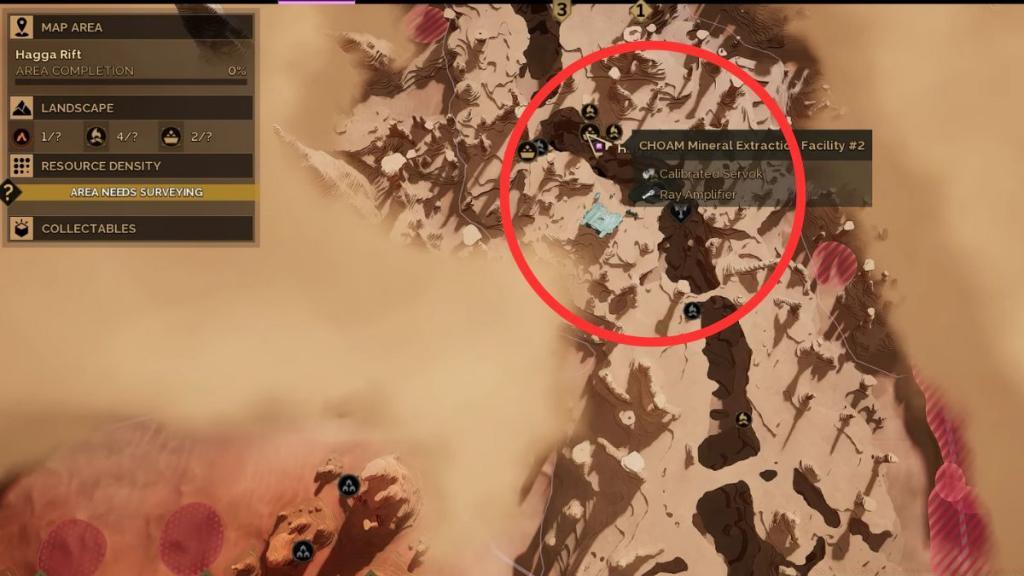
The CHOAM Mineral Extraction Facilities within Hagga Rift offer the most reliable crystal sources, though these industrial complexes typically host hostile forces. Budget 45-60 minutes for thorough facility clearance, accounting for combat encounters and careful crystal collection. Common mistakes include rushing through facilities and missing hidden crystal clusters in less obvious side chambers.
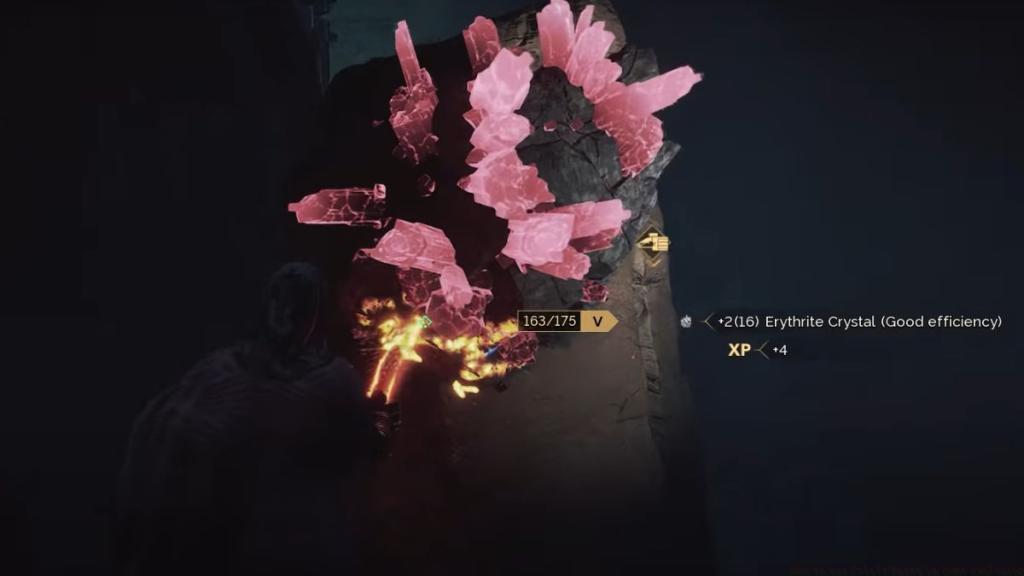
Advanced players optimize their routes by mapping multiple facility entrances and prioritizing high-yield tunnel systems. Consider teaming up with other players to cover more ground efficiently while providing mutual protection against facility defenders. Nighttime exploration can sometimes yield better results with fewer enemy patrols, though visibility challenges require adequate preparation.
Once you’ve secured sufficient Erythrite Crystals, the transformation process occurs at your base’s Chemical Refinery. Each Cobalt Paste unit requires precisely 3 Erythrium Crystals and 75 Water, making water management as important as crystal acquisition. The refining process converts the raw crystalline material into the versatile paste used across multiple crafting disciplines.
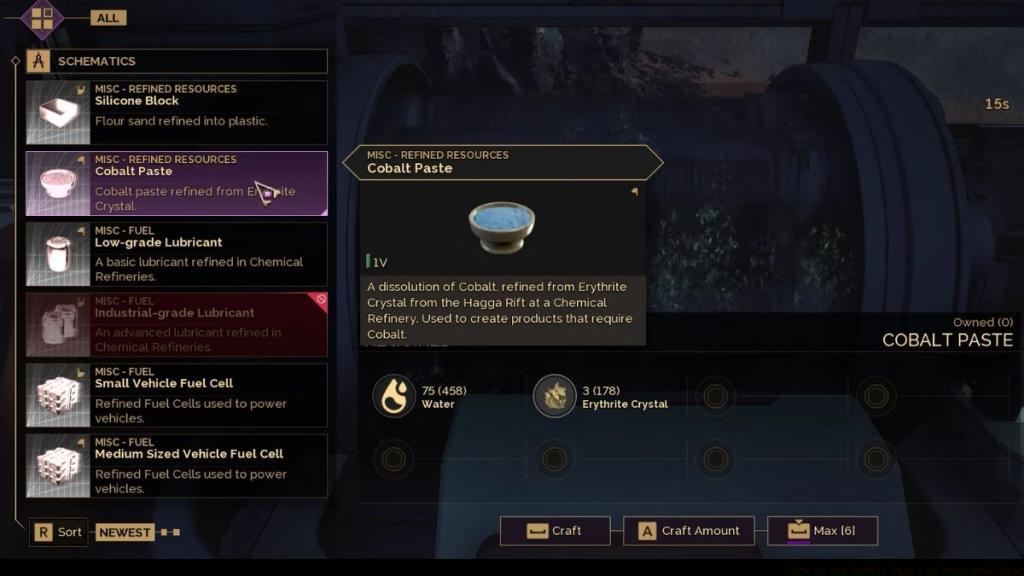
While both small and medium refinery variants can produce Cobalt Paste, the medium version provides significant efficiency advantages. It processes batches using approximately 15% fewer Erythrite Crystals and completes production cycles five seconds faster per unit. These savings compound significantly when manufacturing large quantities for end-game equipment crafting.
Water consumption remains constant regardless of refinery size, emphasizing the need for robust hydration systems. Many players struggle with maintaining adequate water reserves, which can halt Cobalt Paste production entirely. Plan your water gathering expeditions alongside crystal mining to avoid production delays.
Effective Cobalt Paste production extends beyond simple resource collection to encompass sophisticated survival techniques. Stillsuit implementation proves essential for extended expeditions, continuously recycling moisture to maintain hydration levels. This Fremen technology becomes non-negotiable for serious crafters planning lengthy Hagga Rift exploration missions.
The Dew Extractor tool represents another critical water harvesting method, particularly effective during late-night hours when atmospheric moisture condenses on desert vegetation. Deploy these tools around your base perimeter and along frequent travel routes to establish passive water collection networks.
Seasoned players recommend establishing dedicated water farming routes that complement crystal mining circuits. This integrated approach ensures you return with balanced resources rather than excess crystals and insufficient water for processing. Consider building temporary outposts with basic refining capabilities near rich crystal deposits to reduce travel time.
Understanding these interconnected systems transforms Cobalt Paste from a scarcity challenge into a manageable production pipeline. As you master these techniques, you’ll find yourself well-prepared for the advanced crafting requirements of Dune Awakening’s later stages. Which high-tier equipment are you prioritizing for your Cobalt Paste allocation?
Action Checklist
- Equip Stillsuit and gather Dew Extractor before departing base
- Navigate to Hagga Rift and locate CHOAM facilities or underground tunnels
- Clear facility enemies and systematically mine all visible Erythrite Crystals
- Return to base and process crystals at Chemical Refinery (3 crystals + 75 water per paste)
- Upgrade to medium refinery when possible for 15% crystal efficiency gain
No reproduction without permission:Tsp Game Club » How to Get Cobalt Paste in Dune Awakening Master the essential Cobalt Paste crafting process in Dune Awakening with expert mining strategies and resource optimization