
Complete guide to unlocking Overwatch 2 Stadium hero skins with strategic ranking tips and role-specific challenges
Understanding Stadium Mode Rewards System
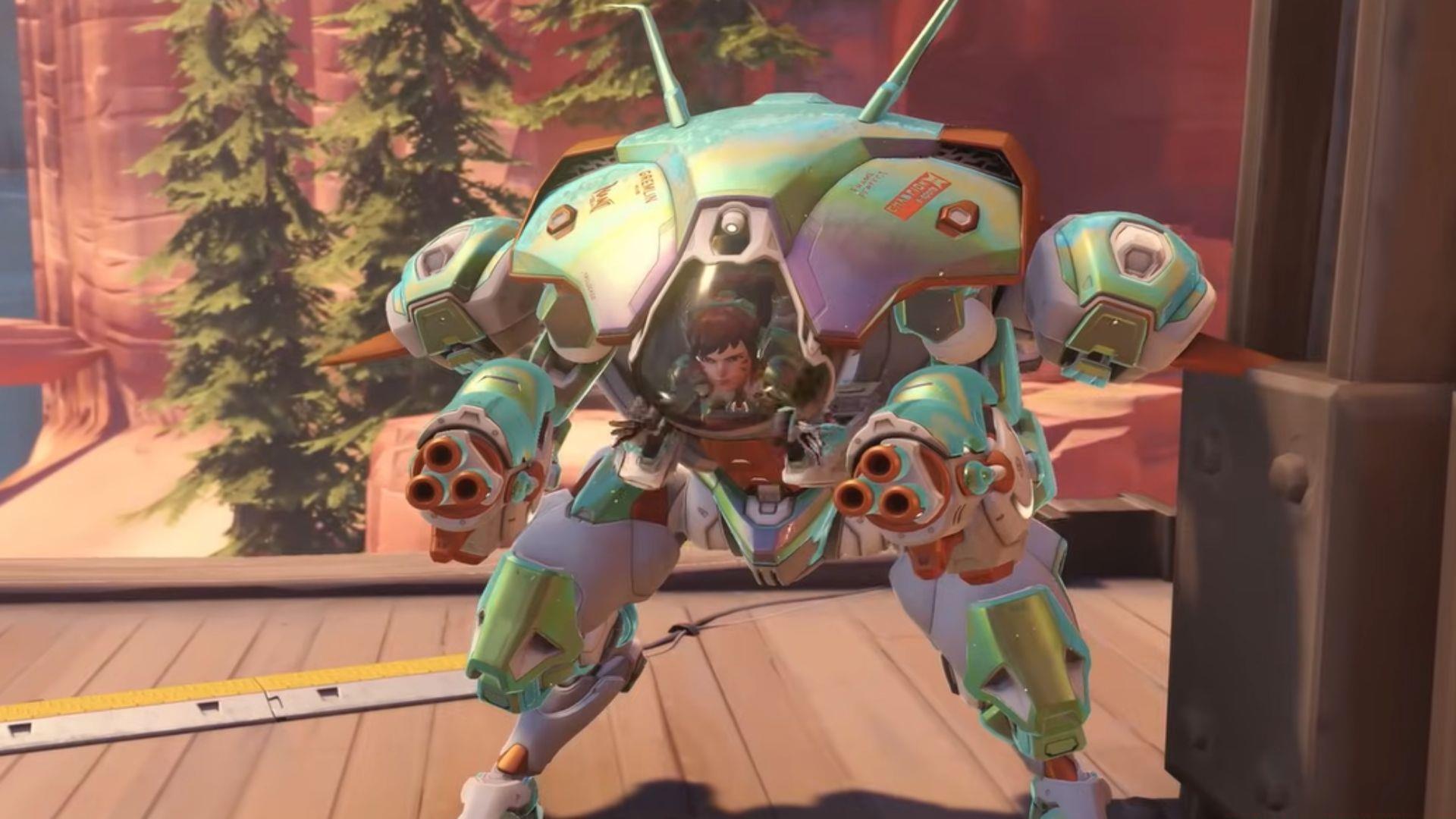
Overwatch 2’s Stadium mode introduces a sophisticated competitive ranking system that rewards dedicated players with exclusive cosmetic items. The current Season 18, launched on August 26, 2025, features four premium hero skins distributed across different achievement tiers. This structured approach allows players of varying skill levels to earn meaningful rewards while challenging themselves to improve.
The Stadium mode employs an Elo-based rating system called Stadium Points, which calculates player performance based on multiple match factors. Unlike traditional competitive modes, Stadium awards points for individual round victories even in losing matches, creating a more nuanced progression experience. This system encourages consistent performance rather than simply focusing on match outcomes.
All current Stadium skins will remain accessible throughout Season 18’s duration, providing players ample time to work toward their desired rewards. Blizzard typically refreshes these challenges with new cosmetic offerings at season transitions, making timely progression essential for collectors.
All-Star League: The Ultimate Challenge
D.Va’s All-Star skin represents the most prestigious reward in Stadium mode, requiring players to reach the All-Star League—the second-highest competitive tier. This achievement demands significant skill and persistence, as the ranking system becomes increasingly stringent at higher levels. Players should focus on maintaining positive win rates and consistent performance metrics across multiple matches.
Strategic progression involves mastering multiple heroes across different roles rather than specializing in a single character. The flexible ranking system allows players to climb using any hero combination, but diversifying your hero pool prevents counter-picking disadvantages. Focus on heroes with strong objective control and team utility rather than pure damage output.
Advanced players should note that Stadium Points distribution changes dramatically in All-Star and Legend Leagues. The round-based point awarding system ceases at these elite tiers, meaning every match outcome carries greater weight. Preparation through vod reviews and understanding meta compositions becomes crucial for consistent advancement.
Elite League: Role-Specific Rewards
The Elite League tier offers three distinct hero skins that provide more accessible alternatives to the All-Star challenge while still requiring dedicated gameplay. Positioned as the fourth-highest league rank, Elite League represents an achievable goal for intermediate players seeking premium cosmetics without the extreme commitment of top-tier competition.
Tank Role Specialization: Reinhardt’s Elite skin requires reaching Elite League exclusively through Tank role gameplay. Successful tank players should focus on creating space, managing engagements, and protecting teammates rather than pursuing eliminations. Mastering main tanks like Reinhardt, Sigma, or Winston provides the most consistent ranking progress due to their fundamental importance in team compositions.
Support Role Excellence: Ana’s Elite skin demands Support role progression to Elite League. Support players should prioritize healing efficiency, ultimate economy management, and timely ability usage. Positioning awareness and survival skills often prove more valuable than raw healing numbers at higher rankings.
Damage Role Mastery: Mei’s Elite skin requires Damage role advancement to Elite League. Damage dealers should balance elimination pressure with objective control and utility usage. Heroes with crowd control abilities and area denial typically provide more consistent value than pure damage specialists in Stadium mode’s objective-focused format.
Optimization Strategies and Common Pitfalls
Maximizing your Stadium mode performance requires understanding both mechanical execution and strategic decision-making. Begin each session with warm-up matches in quick play to refine aim and ability usage. Track your performance metrics using Overwatch’s built-in statistics to identify areas needing improvement.
Avoid These Common Mistakes: Many players sabotage their ranking progress by focusing too heavily on individual performance rather than team success. Chasing eliminations at the expense of objective control, neglecting ultimate coordination with teammates, and stubbornly sticking to ineffective hero choices represent the most frequent ranking obstacles.
Team Composition Optimization: While Stadium mode allows flexible hero selection, balanced team compositions dramatically increase victory chances. Ensure your team maintains at least one main tank, two damage dealers with varied ranges, and two supports with complementary abilities. Adapt your hero choice to counter enemy compositions rather than forcing preferred picks.
Progression Monitoring: Regularly check your Stadium Points gain/loss patterns to understand the system’s evaluation of your performance. Consistent small gains indicate proper improvement, while volatile point swings suggest gameplay inconsistencies needing attention. Schedule longer play sessions during peak hours for better matchmaking quality and more reliable ranking conditions.
No reproduction without permission:Tsp Game Club » How to get D.Va’s All-Star skin in Overwatch 2 Stadium Complete guide to unlocking Overwatch 2 Stadium hero skins with strategic ranking tips and role-specific challenges