
TL;DR
- Dried Ghast blocks spawn exclusively in Soul Sand valleys near Nether fossils with 33.3% probability
- Crafting requires 4 Ghast Tears and 4 Soul Sand arranged in specific crafting grid pattern
- Piglins offer Dried Ghast blocks through bartering with gold ingots at approximately 5% drop rate
- Always equip shields in Soul Sand valleys to counter skeleton attacks during collection
- Strategic portal placement near Warped Forests reduces travel time to optimal hunting grounds
The Minecraft Chase the Skies update introduces fascinating new mechanics, including the adorable Dried Ghast blocks that transform hostile Nether elements into nurturing opportunities. Unlike their aggressive ghast counterparts that launch explosive fireballs, these compact blocks offer players creative potential for cultivation and decoration. Understanding their acquisition methods becomes essential for maximizing your gameplay experience in version 1.21.6.
Dried Ghasts present as miniature, grumpy-faced cubes exclusively located within the Nether dimension’s treacherous landscapes. New world adventurers face particular challenges accessing these blocks without pre-existing ruined portals, making strategic planning crucial for successful acquisition.
Before venturing into the Nether, ensure you gather obsidian and flint with steel to activate portal mechanisms. Once transported to this dangerous realm, you’ll discover three primary approaches to secure Dried Ghast blocks:
- Harvest naturally generated Dried Ghast formations
- Manufacture blocks through precise crafting recipes
- Negotiate trades with Piglin communities using valuable resources
Natural Dried Ghast block generation occurs specifically within Soul Sand valleys scattered throughout the Nether dimension. These distinctive biomes feature characteristic greyish-brown terrain composed primarily of soul sand and soul soil blocks, creating ideal spawning conditions. Notably, Warped Forest biomes never contain these valleys, making targeted exploration essential for efficiency.
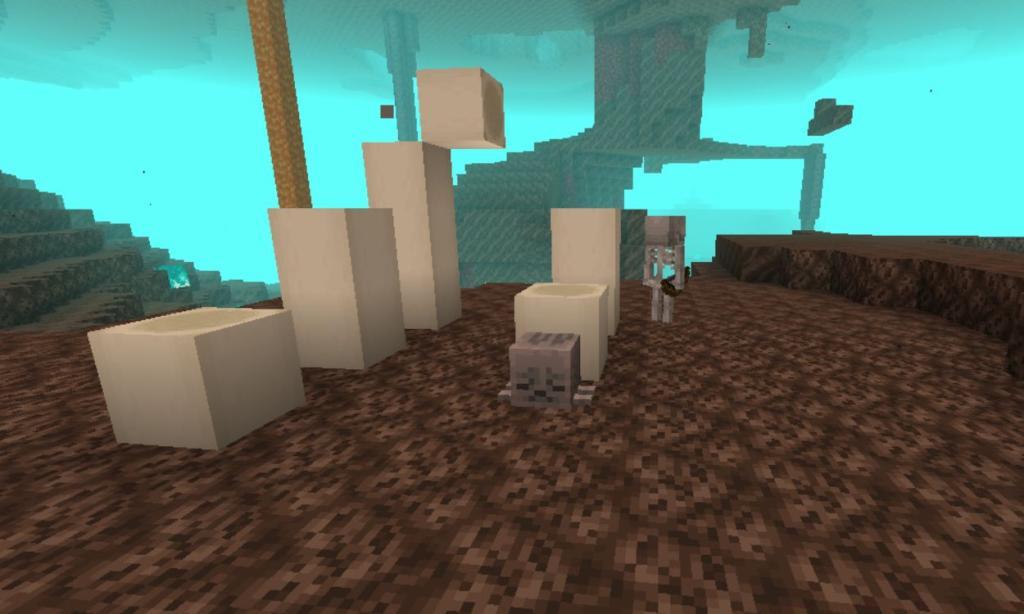
Successful hunters must identify pale white Nether fossil structures within these valleys, as Dried Ghast blocks protrude visibly between bone block formations. The spawning probability stands at precisely 33.3% per fossil structure, necessitating thorough exploration of multiple sites. Strategic valley scanning techniques significantly improve discovery rates.
Collection mechanics remain straightforward—players can break blocks manually or utilize any tool without special requirements. However, Soul Sand valleys harbor dangerous skeleton mobs that aggressively target intruders. Experienced explorers always carry shields for projectile defense, and wearing at least iron armor provides crucial protection during extraction operations.
Pro Tip: Create Nether portals near valley entrances to establish quick respawn points if encounters turn fatal. This approach minimizes lost progress during dangerous collection missions.
Manufacturing Dried Ghast blocks through crafting provides reliable acquisition when natural spawning proves elusive. This method demands specific material combinations available within Nether environments, offering controlled production independent of random generation.
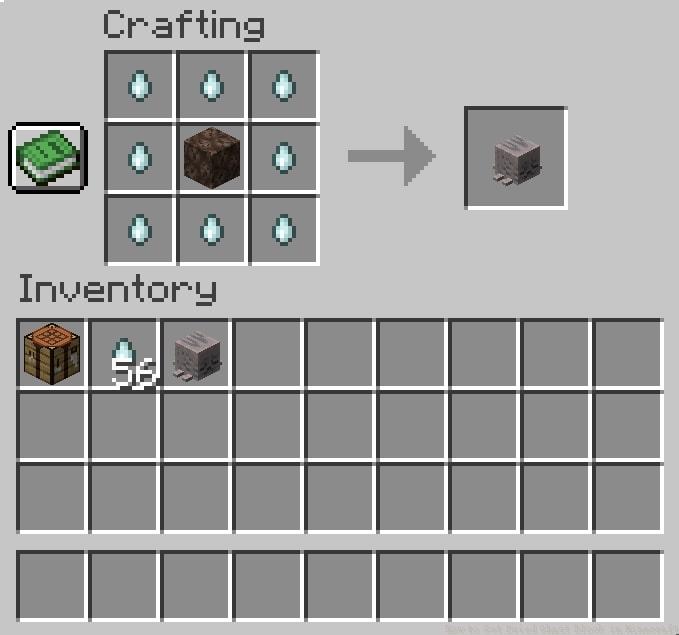
The crafting formula requires assembling four Ghast Tears and four Soul Sand blocks in precise arrangement. Position one Ghast Tear in each corner of the 3×3 crafting grid, then fill remaining spaces with Soul Sand. This configuration yields one Dried Ghast block per craft.
Ghast Tears primarily drop from defeated ghasts, with approximately 30% drop rate per elimination. Farming these materials efficiently involves constructing ghast farming structures in Nether waste biomes where spawn rates peak. Alternatively, loot chests in bastion remnants occasionally contain these valuable components.
Soul Sand acquisition proves simpler—these blocks generate abundantly throughout Soul Sand valleys. Bring a shovel for rapid collection, though any tool suffices for harvesting. Combining these elements through crafting eliminates dependency on random natural generation while providing predictable results.
Common Mistake: Players often misplace materials in incorrect grid patterns, wasting resources. Always verify corner placement for Ghast Tears before completing the craft.
Piglin bartering represents the third viable method for acquiring Dried Ghast blocks, leveraging the neutral mob’s trading mechanics. These gold-obsessed inhabitants of the Nether exchange various items when presented with gold ingots, including the coveted blocks.
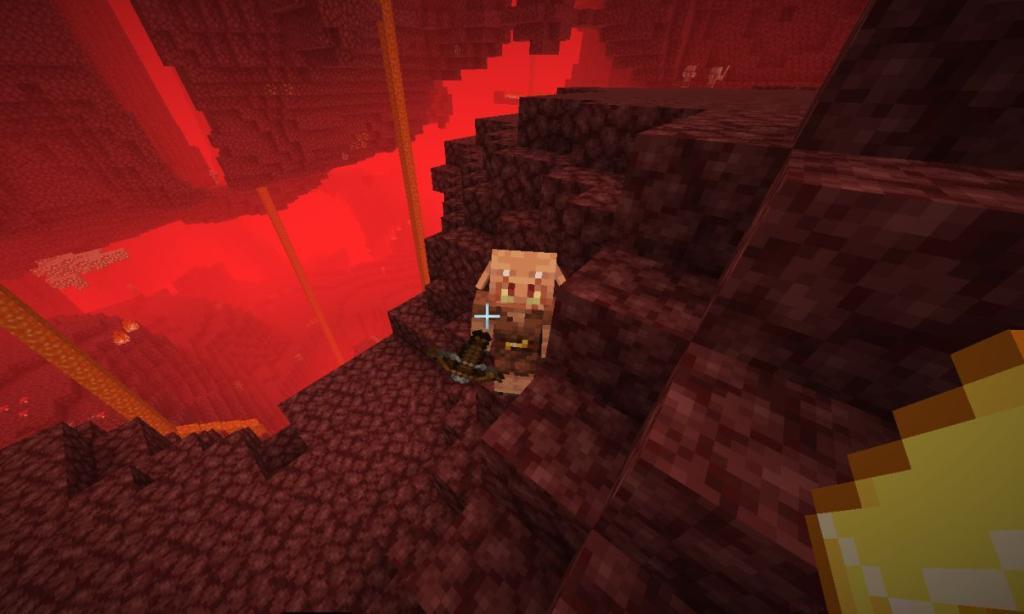
Successful bartering requires understanding Piglin behavior mechanics. These mobs remain neutral only when players wear at least one gold armor piece; otherwise, they attack aggressively. Throw gold ingots near Piglins to initiate trading sequences, where they randomly offer items from their loot tables.
Dried Ghast blocks appear in Piglin barter pools with approximately 5% probability per trade. This low rate necessitates substantial gold investment—approximately 20 ingots on average per block acquired. Establish gold farms in the Nether’s basalt deltas for sustainable resource generation.
Advanced Strategy: Create bartering halls with multiple Piglins to maximize efficiency. This approach allows simultaneous trading with numerous mobs, significantly improving acquisition rates. Always carry fire resistance potions when engaging in mass bartering, as accidental piglin aggression can quickly escalate in confined spaces.
Each Dried Ghast acquisition method offers distinct advantages depending on your gameplay style and available resources. Natural collection works best for explorers with strong combat skills, while crafting suits resource-rich players, and bartering benefits those with established gold farms.
Efficiency Comparison: Natural finding requires minimal resource investment but depends on luck. Crafting demands significant ghast hunting but provides guaranteed results. Bartering consumes gold reserves but requires minimal risk when properly executed.
Avoid these common mistakes: venturing into Soul Sand valleys without shields, misconfiguring crafting patterns, or approaching Piglins without gold armor. These errors commonly result in lost resources, unnecessary deaths, and wasted time.
For optimized results, combine methods based on circumstance. Hunt naturally while traveling between biomes, craft when you accumulate sufficient tears, and barter with excess gold. This multi-pronged approach ensures consistent Dried Ghast acquisition regardless of individual method limitations.
Time investment varies significantly: natural collection takes 10-30 minutes depending on luck, crafting requires 15-45 minutes for material gathering, and bartering typically consumes 20-60 minutes per block. Plan your sessions accordingly based on available playtime and immediate needs.
Action Checklist
- Gather obsidian and create flint with steel for Nether portal activation
- Equip shield and gold armor before entering Soul Sand valleys
- Scan for white Nether fossils in valleys (avoid Warped Forest areas)
- Collect 4 Ghast Tears from defeated ghasts for crafting alternative
- Trade gold ingots with Piglins while wearing gold armor
No reproduction without permission:Tsp Game Club » How to Get Dried Ghast Block in Minecraft Master three proven methods to obtain Dried Ghast blocks in Minecraft's Chase the Skies update