
TL;DR
- Steel requires three key resources: processed iron, carbon ore, and water combined in an Ore Refinery
- Water can be obtained through dew harvesting, blood extraction, or advanced purification systems
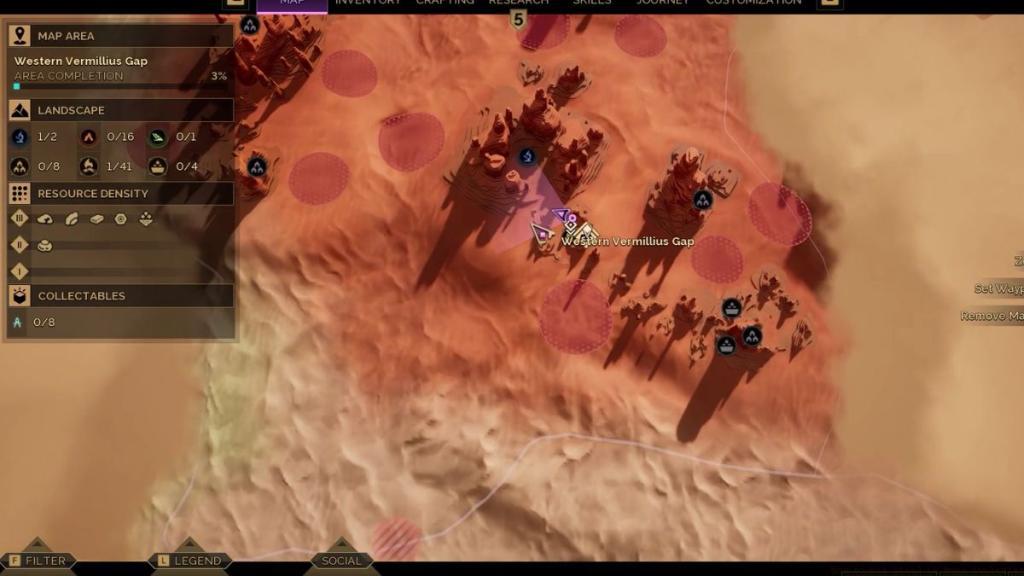
- Iron ore is abundant in Western Vermillius Gap but requires water for refinement
- Carbon ore in Jabal Eifrit Al-janub demands Cutteray Mk2 and careful navigation
- Optimize your workflow by planning resource gathering routes and avoiding common production pitfalls
In the harsh deserts of Dune Awakening, steel represents one of the most sophisticated manufacturing achievements available to players. Unlike basic metals like iron or copper that can be directly mined from deposits, steel demands a complex synthesis process that transforms multiple raw materials into this premium alloy. This manufacturing complexity makes steel ingots essential for crafting advanced vehicle components and top-tier Mk3 equipment that can withstand the planet’s extreme conditions.
The production chain begins with three critical components: iron ingots processed from raw ore, carbon ore extracted from specific geological formations, and purified water collected through various survival methods. Each material requires distinct gathering techniques and equipment, creating a multi-stage production pipeline that tests your resource management skills.
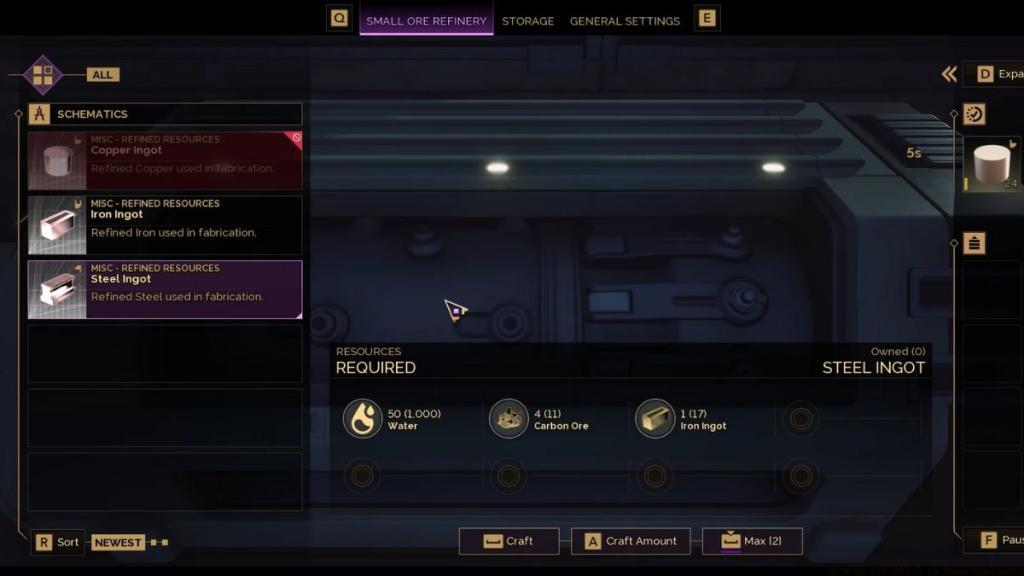
Your primary manufacturing facility for this process is the Ore Refinery, where you’ll combine these materials according to the precise steel recipe. Understanding this production hierarchy early will save you significant time and resources as you progress toward end-game content.
Water serves as the foundation of steel production, with multiple acquisition methods available depending on your technological progression. For beginners, the most accessible approach involves using a Literjon to harvest morning dew deposits that form on rocky surfaces during Arrakis’ brief cooling periods. These portable collectors can yield substantial water quantities when positioned correctly in condensation-prone areas.
Intermediate players often transition to blood extraction systems, where defeating human enemies allows you to fill Blood Sacs with their bodily fluids. This method proves particularly efficient near scavenger outposts, where hostile encounters occur frequently. The extracted blood then undergoes purification at Blood Purification stations, converting it into usable water for industrial processes.
Advanced water production involves constructing Deathstill facilities that extract moisture from the atmosphere or Dew Reaper installations that maximize condensation collection. These systems require significant investment but provide sustainable water supplies that support continuous steel production without constant resource gathering expeditions.
Iron ore deposits concentrate primarily within the Western Vermillius Gap, situated directly north of the Hagga Basin region. These metallic formations appear as reddish-brown rock clusters with distinctive metallic sheens when sunlight strikes their surfaces. Efficient mining involves scanning for these visual cues while navigating the area’s rugged terrain.
The refinement process transforms raw iron ore into usable ingots through a water-intensive procedure at your Ore Refinery. Each iron ingot requires precisely 5 ore fragments combined with 25 units of water, creating a resource conversion ratio that demands careful water management. Plan your mining expeditions to collect sufficient ore for multiple ingots to minimize return trips.
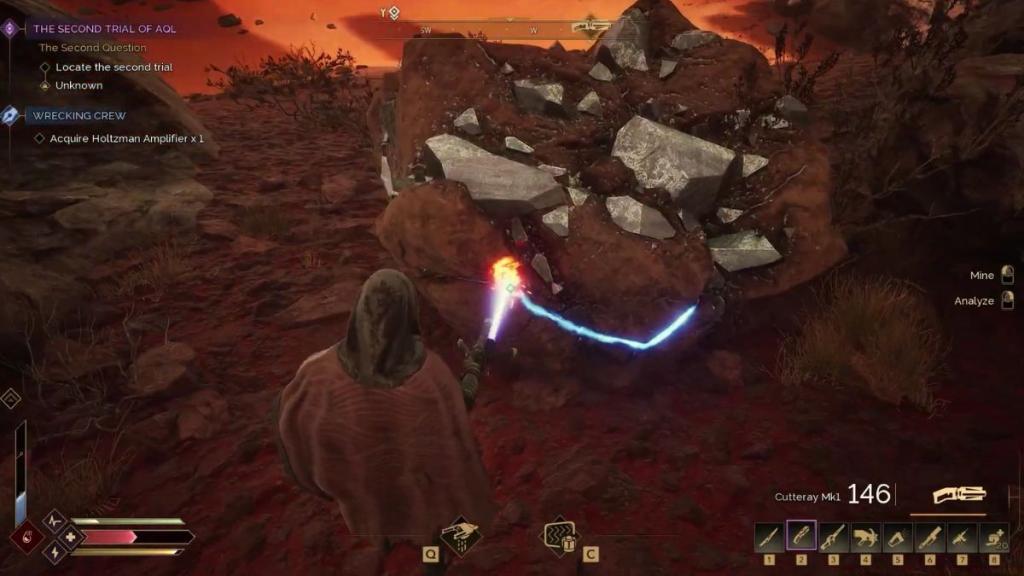
Transportation logistics become crucial when gathering iron ore, as the weight of unprocessed materials can quickly exceed your carrying capacity. Consider establishing temporary storage caches or utilizing vehicle transport for large-scale mining operations. This approach mirrors efficient resource management strategies discussed in our Weapons Unlock guide, where strategic planning maximizes efficiency.
The Jabal Eifrit Al-janub region north of Eastern Vermillius Gap contains the carbon ore deposits essential for steel manufacturing. This hazardous area features extensive quicksand fields that demand careful navigation and constant environmental awareness. Successful miners develop route patterns that minimize exposure to these deadly terrain hazards while maximizing resource yield.
Carbon ore manifests as rock formations with prominent silver crystal protrusions that gleam under Arrakis’ twin suns. These geological features distinguish carbon-bearing rocks from the surrounding landscape, providing clear visual markers for targeted mining operations.
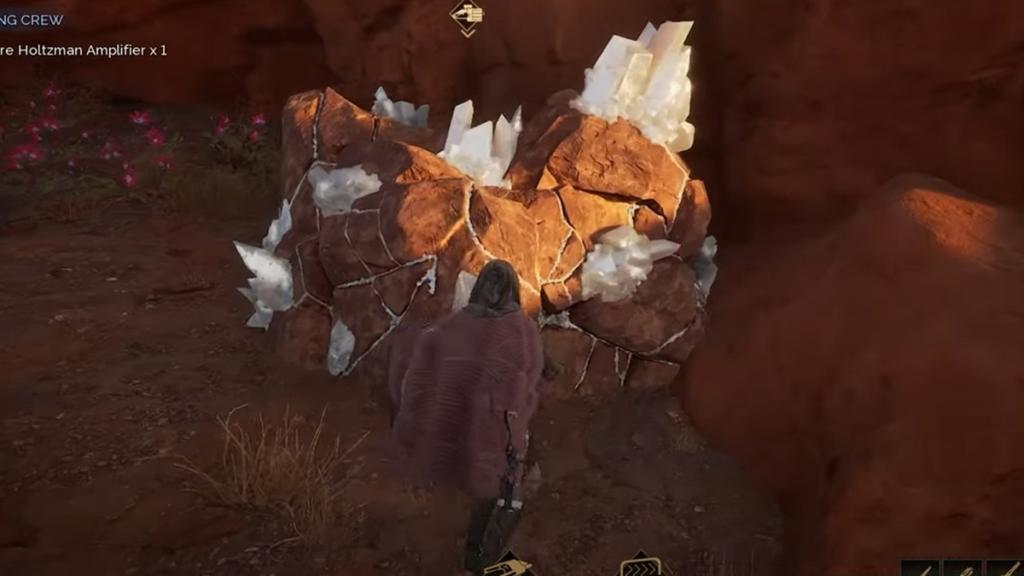
Extraction demands advanced equipment, specifically the Cutteray Mk2 mining tool as a minimum requirement. Attempting carbon extraction with inferior equipment wastes time and resources while yielding minimal returns. This equipment progression system shares similarities with advancement mechanics in our Class Guide, where tool upgrades unlock new capabilities.
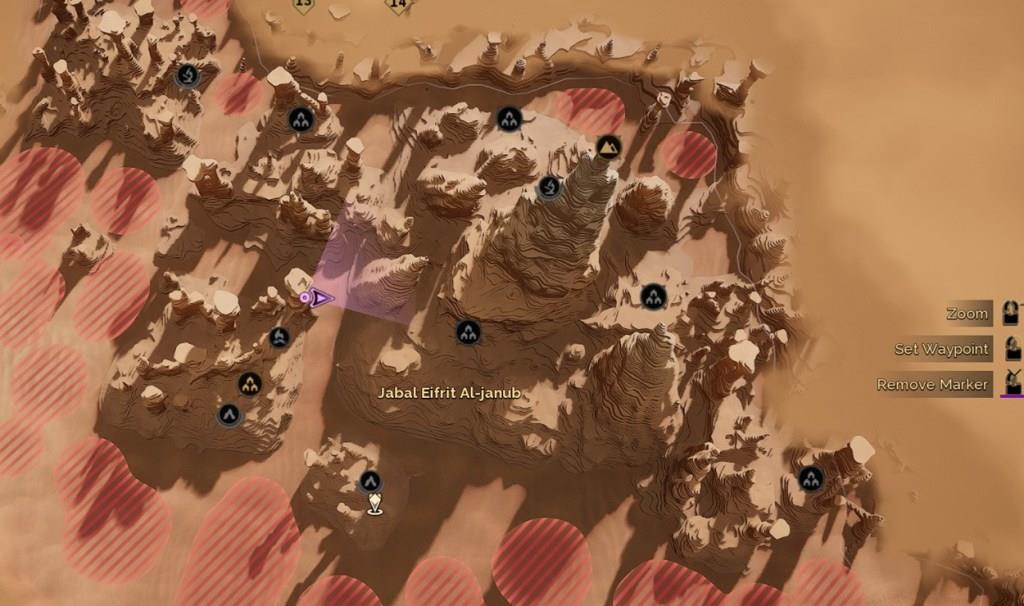
Advanced miners recommend scouting the perimeter before committing to full extraction, identifying safe pathways and estimating total yield potential. This strategic approach prevents unnecessary risk exposure while ensuring efficient resource gathering sessions.
Mastering steel production requires developing efficient workflow patterns that minimize downtime between gathering and manufacturing phases. Expert crafters recommend establishing a systematic approach: first secure water reserves, then coordinate iron and carbon mining expeditions based on proximity and yield potential. This methodology ensures continuous production rather than stop-start manufacturing cycles.
Common production mistakes include attempting carbon collection without proper equipment, underestimating water requirements for iron processing, and venturing into dangerous territories unprepared. Each error can cost hours of progress and valuable resources.
Time optimization becomes critical in late-game scenarios where steel demand increases dramatically. Efficient players can typically produce their first steel ingots within 2-3 hours of focused effort, while optimized workflows reduce subsequent production cycles to approximately 45 minutes per ingot batch.
The strategic planning required for efficient steel production shares principles with our Complete Guide to advanced gameplay mechanics, where systematic approaches yield superior results.
Beyond basic equipment crafting, steel ingots unlock advanced base construction options, vehicle customization features, and trade opportunities with other players. Understanding these applications helps prioritize production goals based on your current gameplay objectives and progression needs.
Action Checklist
- Establish reliable water source using Literjon, blood purification, or advanced systems
- Mine iron ore in Western Vermillius Gap and process into ingots
- Navigate to Jabal Eifrit Al-janub with Cutteray Mk2, extract carbon ore
- Combine materials in Ore Refinery using steel recipe
- Optimize production workflow based on resource locations and yield patterns
No reproduction without permission:Tsp Game Club » How to Get Steel in Dune Awakening Master steel ingot crafting in Dune Awakening with advanced resource gathering strategies and optimization techniques