
Master Ghost of Yotei weapon alignment to dominate combat and maximize Undying Samurai armor bonuses
Understanding Weapon Alignment Fundamentals
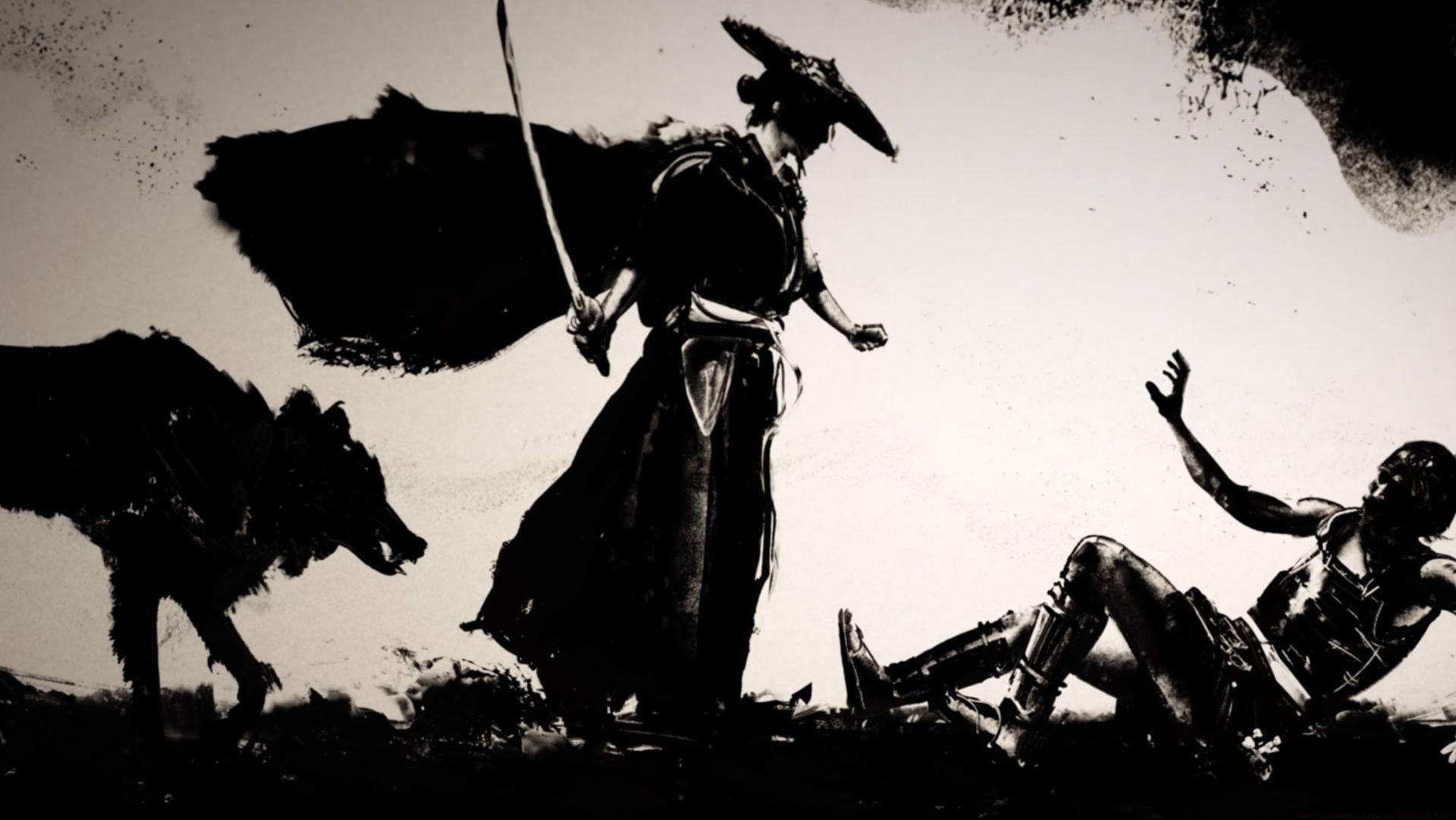
Ghost of Yotei’s weapon alignment system represents a sophisticated evolution of combat mechanics that demands strategic mastery. Building upon Ghost of Tsushima’s acclaimed stance system, this innovative approach transforms how players engage with diverse enemy types across the frozen landscapes of Ezo. Proper weapon alignment doesn’t merely enhance your offensive capabilities—it fundamentally alters your survival odds while synergizing powerfully with legendary armor sets.
The combat philosophy behind weapon alignment centers on tactical adaptation rather than brute force. Each weapon type possesses inherent advantages against specific enemy archetypes, creating a rock-paper-scissors dynamic that rewards observant players. Mastering this system means recognizing enemy weapon tells and countering with the optimally aligned armament for maximum efficiency.
Weapon Progression and Regional Enemy Types
Your journey begins with the reliable Katana, but Ezo’s martial arts masters gradually unveil their specialized weapon techniques as you prove your worth. This deliberate progression system ensures players develop foundational skills before accessing more complex weapon types. The Kusarigama specialists of Teshio Ridge, for instance, represent just one regional weapon specialization you’ll encounter.
Different territories host enemies favoring distinct combat styles, making weapon selection a critical strategic decision before entering hostile regions. Northern territories might feature polearm specialists requiring different alignment strategies than southern dagger experts. Advanced players should scout enemy compositions and prepare multiple weapon loadouts accordingly.
Pro Tip: Early-game weapon mastery focuses on the Katana’s versatility, but mid-game expansion into specialized weapons like the Naginata provides crucial advantages against shield-bearing enemies and cavalry units that dominate certain regions.
Advanced Combat Switching Techniques
Enemy patrols typically mix multiple weapon types, demanding rapid tactical adjustments during engagements. The R2 slow-time mechanic—reminiscent of Ghost of Tsushima’s stance switching—creates crucial decision-making windows where you can assess threats and select the ideal counter-weapon. This temporal manipulation becomes increasingly vital as enemy variety and aggression escalate.
Mastering fluid weapon transitions involves anticipating enemy rotations rather than reacting to them. Watch for visual cues like weapon draw animations or formation changes that signal impending attacks. Successful players pre-select their next weapon during the brief R2 slow-down, maintaining combat momentum while exploiting alignment advantages.
Common Mistake: Many players overlook the strategic positioning aspect of weapon switching. Always create distance before initiating R2 transitions—attempting weapon changes while surrounded inevitably leads to interrupted animations and punishment.
Undying Samurai Armor Synergy Benefits
The legendary Armor of the Undying, obtained by defeating the formidable Undying Samurai, transforms weapon alignment from tactical advantage to survival necessity. When properly aligned, this armor grants three combat-enhancing properties that significantly impact encounter outcomes:
- Strategic Health Sustainability: Staggering enemies restores a minor amount of Health, creating sustainable combat loops against multiple opponents.
- Enhanced Defensive Timing: The window to perform Perfect Parry and Perfect Dodge is increased by a minor amount, rewarding precision-focused playstyles.
- Offensive Pressure Amplification: Focus Attacks have a minor chance to increase Stagger damage, enabling devastating combo opportunities.
These bonuses stack multiplicatively with weapon alignment advantages, creating powerful synergies that can turn overwhelming encounters into manageable challenges. The health restoration mechanic particularly shines during extended engagements where healing opportunities are limited.
Pro Player Optimization Strategies
Advanced weapon alignment transcends basic enemy matching—it involves creating specialized loadouts for specific encounter types. Stealth-oriented missions might prioritize different weapon combinations than frontal assault scenarios. The most successful Ghost of Yotei players maintain at least three distinct weapon setups for varying combat situations.
Avoid the common pitfall of over-specializing in a single weapon type. While mastering specific weapons is valuable, Ezo’s diverse enemy compositions demand flexibility. Practice regularly with your less-favored weapons to maintain proficiency across your entire arsenal.
For players curious about how Ghost of Yotei builds upon its predecessor’s legacy, our comprehensive Ghost of Yotei review explores the evolution of combat systems and world design in depth.
Optimization Tip: Track which weapons you naturally neglect and deliberately incorporate them into lower-stakes encounters. This ensures you maintain alignment readiness for situations demanding unconventional weapon choices.
No reproduction without permission:Tsp Game Club » How to weapon align in Ghost of Yotei Master Ghost of Yotei weapon alignment to dominate combat and maximize Undying Samurai armor bonuses