
A comprehensive analysis of Atsu’s character development and sexuality representation in Ghost of Yotei
Introduction to Atsu’s Character Journey
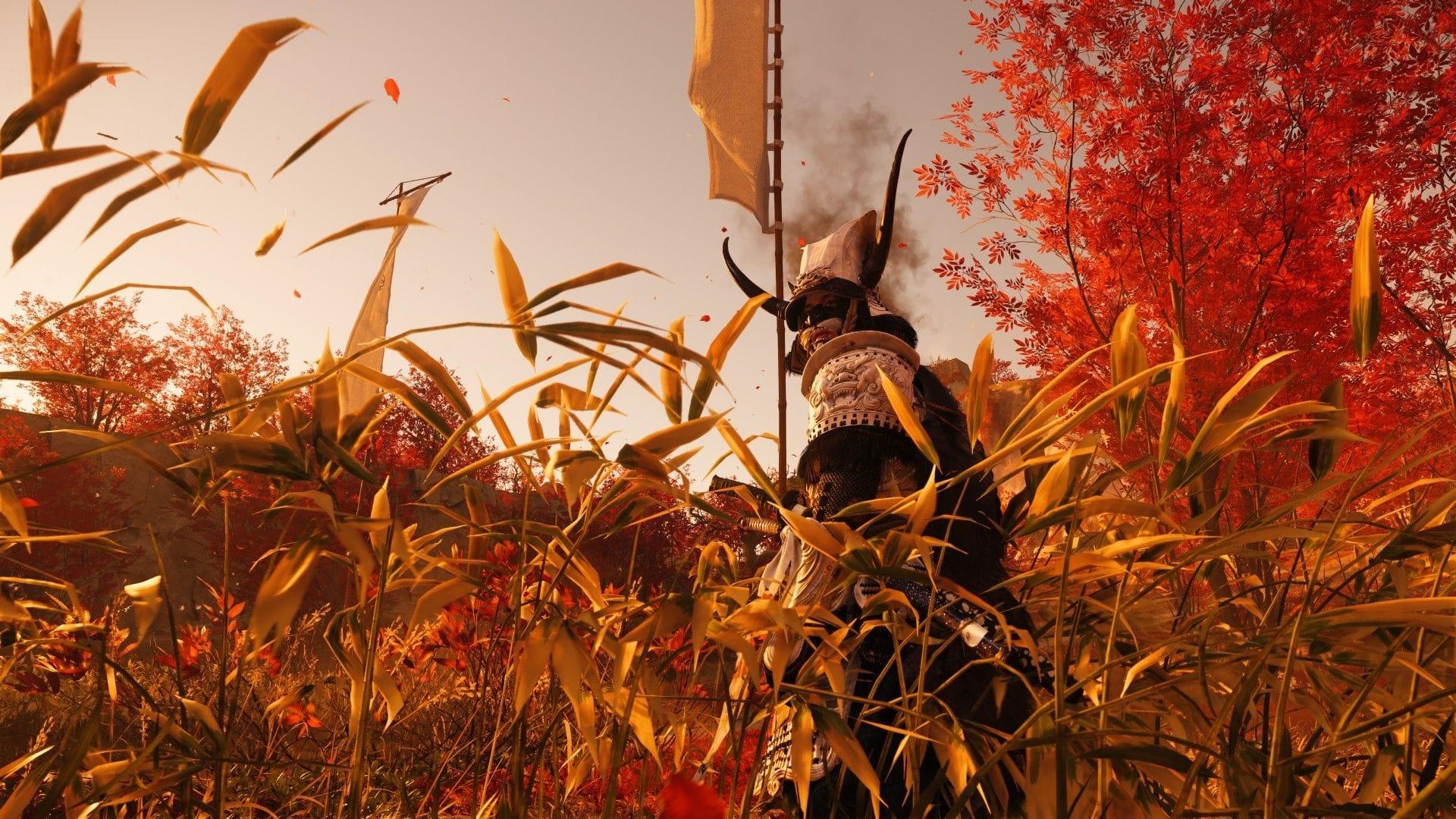
Ghost of Yotei presents players with Atsu, a complex protagonist whose personal journey forms the emotional core of the game. Unlike many modern RPG protagonists who follow predictable character arcs, Atsu’s development remains intentionally subtle and nuanced throughout the narrative. Having explored Ezo extensively across approximately 40 hours of gameplay, I’ve observed that her character prioritizes internal conflict resolution over external romantic pursuits.
The game’s storytelling approach favors emotional depth over explicit relationship mechanics, creating a protagonist whose primary driving force is the rage and trauma that defines her motivation. This narrative choice reflects a growing trend in gaming toward more sophisticated character development that doesn’t rely on traditional romantic subplots to create emotional engagement.
The Mystery of Atsu’s Sexuality
Atsu’s potential queer identity in Ghost of Yotei remains deliberately ambiguous based on extensive gameplay exploration. After thoroughly completing main story missions and numerous side quests spanning over 40 hours, no definitive evidence emerges regarding her sexual orientation. The game’s writers appear to have chosen an approach that keeps this aspect of her character open to interpretation rather than providing explicit confirmation.
Players should understand that subtle narrative clues might exist within specific dialogue trees or hidden quest chains that could provide additional context. However, these potential indicators remain sufficiently obscure that they haven’t surfaced during comprehensive playthroughs. This ambiguity aligns with the game’s overall theme of personal discovery and the complex nature of identity formation during periods of intense personal crisis.
The gaming community continues to actively discuss and investigate this aspect of Atsu’s character, with players sharing theories about potential romantic subtext in certain interactions. These discussions highlight how modern gaming audiences engage with character representation and seek diverse narratives in their gaming experiences.
Character Relationships and Emotional Development
As detailed in my comprehensive Ghost of Yotei review, Atsu establishes various meaningful connections throughout her journey, though these relationships primarily serve to highlight her emotional struggles rather than romantic interests. Her interactions with humans, horses, and even her wolf companion consistently reinforce her internal conflict between connection and isolation.
The character repeatedly emphasizes her inability to form deep emotional bonds beyond the consuming rage that defines her primary motivation. This narrative choice creates a protagonist whose emotional availability remains limited throughout most of the story, making romantic subplots less relevant to her character arc. The relationships she does form tend to be pragmatic alliances or mentor-student dynamics rather than romantic connections.
By the conclusion of Ghost of Yotei’s narrative, Atsu begins a subtle transformation toward emotional openness, though this development remains understated rather than dramatic. The game’s ending suggests potential for future emotional growth rather than providing concrete resolution to her relationship struggles, leaving room for player interpretation and potential sequel development.
Advanced Character Analysis Techniques
For players determined to uncover every aspect of Atsu’s character, several investigative approaches can maximize your chances of discovering hidden dialogue or narrative clues. First, prioritize completing all character-specific side quests, as these often contain more personal revelations than main story missions. Pay particular attention to conversations with recurring NPCs who have established relationships with Atsu.
Second, experiment with different dialogue choices during emotional moments in the story. Some modern RPGs hide character development clues behind specific response patterns that require multiple playthroughs to uncover. Third, thoroughly explore environmental storytelling elements—journals, letters, and other discoverable documents sometimes contain subtle character insights that don’t appear in direct dialogue.
Common investigation mistakes include rushing through conversations, ignoring non-essential NPC interactions, and overlooking environmental narrative clues. Advanced players should also consider community collaboration—sharing findings with other players can help piece together subtle narrative patterns that might be missed during individual playthroughs.
No reproduction without permission:Tsp Game Club » Is Atsu queer in Ghost of Yotei? A comprehensive analysis of Atsu's character development and sexuality representation in Ghost of Yotei