
Understanding the technical barriers and future possibilities for MindsEye on Nintendo Switch platforms
Introduction: The Anticipated MindsEye Launch
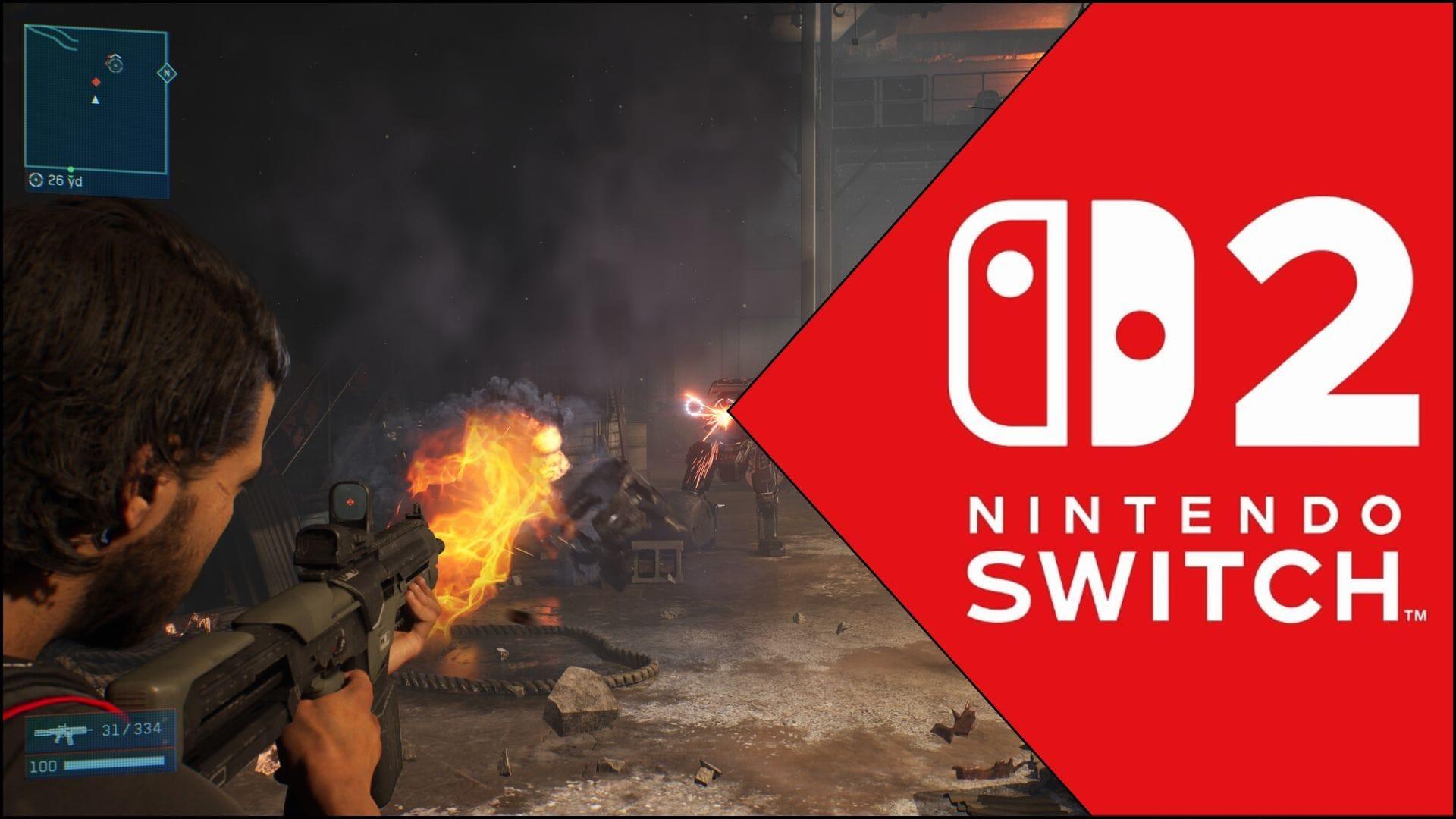
The gaming community eagerly anticipates MindsEye’s imminent arrival on June 10, 2025, marking a significant milestone in open-world action gaming. Developed by Build A Rocket Boy, a studio established by former Rockstar Games veterans, this title generates substantial buzz among enthusiasts awaiting the next generation of immersive gaming experiences.
While Grand Theft Auto 6 remains in development, MindsEye positions itself as a compelling alternative that captures the spirit of ambitious open-world design. The game’s pedigree stems from developers with proven track records in creating memorable single-player narratives and expansive game worlds.
What distinguishes MindsEye is its commitment to pushing technological boundaries while maintaining narrative depth. The development team’s background in crafting critically acclaimed titles suggests a focus on both technical innovation and storytelling excellence.
Technical Barriers: Why Original Switch Can’t Handle MindsEye
The original Nintendo Switch hardware faces fundamental limitations when confronting MindsEye’s technical demands. Current-generation gaming requires sophisticated rendering techniques including real-time ray tracing, complex artificial intelligence systems, and rapid data streaming capabilities that exceed the Switch’s processing power.
Ray tracing technology, which simulates realistic lighting and reflections, represents one of the most computationally intensive features in modern gaming. The Switch’s mobile-oriented Tegra processor struggles with these calculations, resulting in compromised visual fidelity or unplayable frame rates.
Advanced AI systems in MindsEye likely involve complex NPC behaviors, dynamic world interactions, and sophisticated physics simulations. These elements demand substantial CPU resources that the Switch’s aging architecture cannot provide without significant compromise to game design integrity.
Fast SSD performance represents another critical requirement for seamless open-world experiences. The Switch’s storage system and memory bandwidth create loading bottlenecks that would disrupt the fluid exploration MindsEye presumably offers on more powerful platforms.
Switch 2 Capabilities: A Technical Upgrade Analysis
Nintendo’s upcoming Switch 2 console represents a substantial hardware evolution that potentially addresses many technical limitations. The custom Nvidia chipset enables 4K resolution output when docked and maintains 1080p clarity in handheld mode, providing the visual foundation MindsEye requires.
Enhanced processing capabilities support high dynamic range lighting and refresh rates reaching 120Hz, creating smoother gameplay experiences that align with modern gaming standards. This hardware advancement finally bridges the performance gap between Nintendo platforms and competing systems.
Despite these improvements, Build A Rocket Boy hasn’t confirmed Switch 2 development plans. The technical feasibility exists for a scaled-down version or cloud-based implementation, but developer resources currently prioritize optimal experiences on high-end hardware.
Cloud gaming presents an intriguing alternative that could bypass hardware limitations entirely. However, this approach introduces dependency on stable internet connections and potential latency issues that might compromise the gaming experience.
Developer Strategy and Market Considerations
Build A Rocket Boy’s platform strategy reflects careful consideration of technical capabilities and market positioning. Launching exclusively on high-end systems ensures the game delivers its intended experience without compromise, establishing a quality benchmark for future iterations.
The development timeline suggests prioritization of core platform optimization before considering secondary ports. This approach maintains development momentum and ensures the initial release meets quality expectations across supported systems.
Market analysis indicates that Nintendo audiences traditionally favor different gaming genres than those typically associated with ambitious open-world titles. This demographic consideration might influence release scheduling and platform prioritization decisions.
Financial considerations also play a role in platform selection. Development costs for multiple platform optimizations must be weighed against potential sales revenue, particularly for a new intellectual property establishing its market position.
Future Possibilities and Player Strategies
While current information confirms no Nintendo platform releases, future possibilities remain open following the game’s initial launch. Successful performance on primary platforms could incentivize developers to explore Switch 2 adaptations once hardware availability stabilizes.
Nintendo players seeking similar experiences might consider alternative titles that leverage the Switch’s unique capabilities. Games like The Legend of Zelda: Tears of the Kingdom demonstrate how ambitious open-world concepts can be tailored to Nintendo hardware.
Optimization strategies for potential future ports could include reduced draw distances, simplified lighting systems, and adjusted texture quality. These compromises would maintain gameplay integrity while adapting to hardware constraints.
Players should monitor official channels for announcements regarding platform expansion. Community interest expressed through official forums and social media can influence developer decisions regarding additional platform support.
Also read: Hitman to appear in MindsEye, confirms IO Interactive CEO at Summer Games Fest 2025
Here are some other gaming articles from Sportskeeda for you to check out:
No reproduction without permission:Tsp Game Club » Is MindsEye available to play on Nintendo Switch and Nintendo Switch 2? Understanding the technical barriers and future possibilities for MindsEye on Nintendo Switch platforms