
Exploring Death Stranding 2’s revolutionary procedural music system and emotional storytelling innovations
The Procedural Music Framework
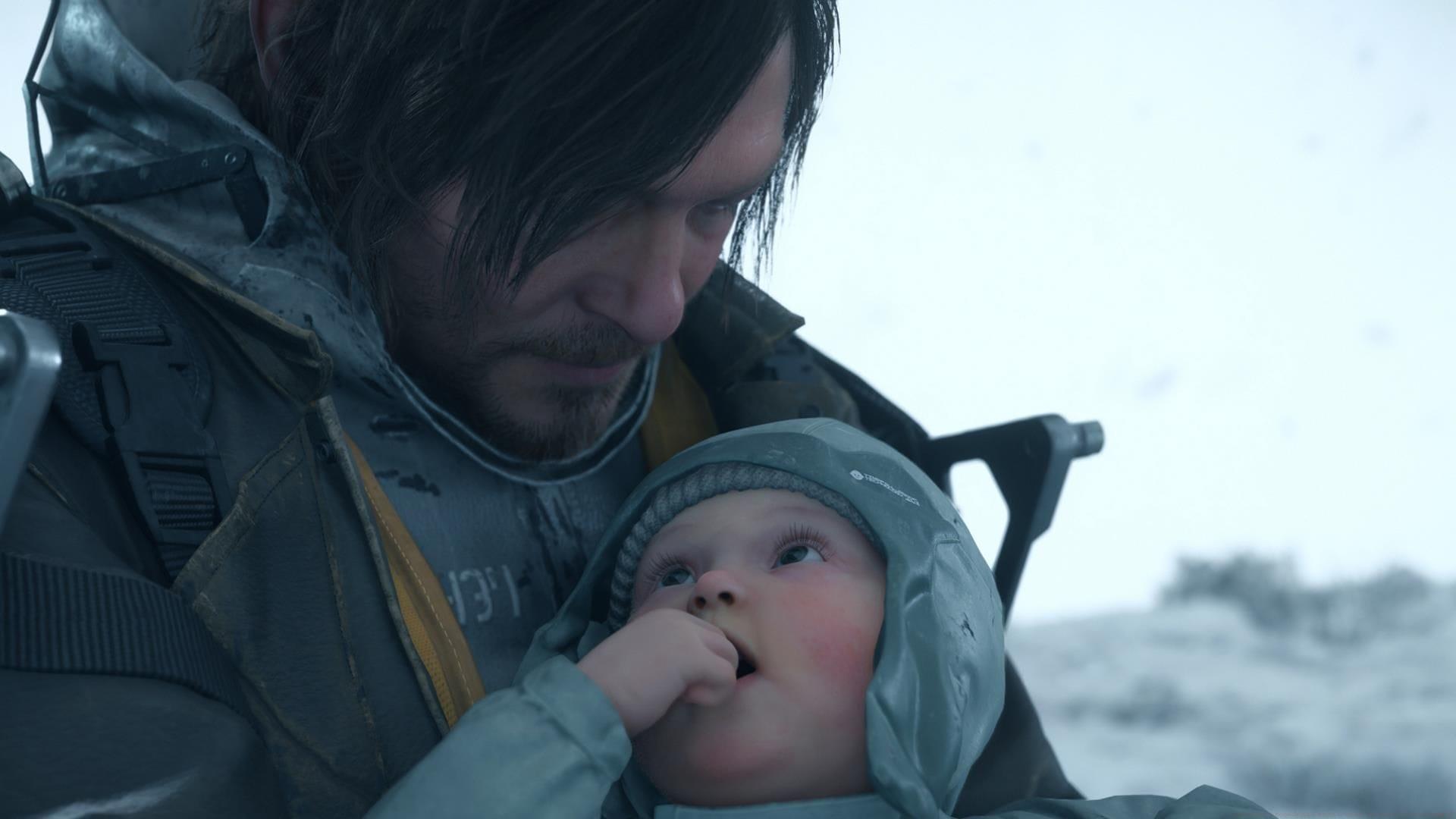
In Death Stranding 2, the procedural music system represents a fundamental shift in how game soundtracks function. Rather than serving as background accompaniment, the music becomes an organic extension of the game world itself. Hideo Kojima’s team has engineered a sophisticated audio ecosystem where musical elements dynamically respond to player decisions, environmental conditions, and narrative progression in real-time.
The technical implementation involves deconstructing traditional compositions into modular audio layers that can be reassembled by the game engine. These musical building blocks operate through advanced samplers that intelligently combine melodies, harmonies, and rhythms based on contextual triggers. This approach allows for unprecedented audio reactivity, where the soundtrack evolves organically rather than following predetermined cues.
A particularly innovative aspect involves the live integration of character themes during production. Rainy’s musical motif, crafted by composer Yoann, wasn’t merely added during post-production but performed live on set. This enabled actress Shioli Kutsuna to synchronize her emotional performance directly with the musical atmosphere, creating authentic character-music synergy rarely achieved in game development.
Also read: DS2 Digital Deluxe Edition: Content, pricing, and is it worth getting?
Character-Driven Musical Evolution
The creation of To the Wilder exemplifies Kojima’s narrative-first approach to music design. When presented with the game script, composer Woodkid focused on interpreting “wilderness” as both physical environment and psychological state. The resulting composition emerged from improvisational humming sessions that captured the core themes of isolation and survival, with lyrics developing organically from these melodic foundations.
Troy Baker’s expanded role as Higgs demonstrates Kojima’s talent for integrating performer capabilities into game design. After discovering Baker’s musical talents through lockdown-era YouTube performances, Kojima commissioned a custom guitar design for the character and significantly increased Higgs’ musical presence. This adaptive character development approach transforms voice actors into multidimensional performers whose real talents shape their virtual counterparts.
For players seeking to maximize their audio experience, pay close attention to character interaction sequences. The musical shifts during dialogue scenes often foreshadow relationship developments and narrative turns. Advanced players should experiment with different interaction patterns to discover hidden musical variations that reflect the game’s emotional complexity.
Narrative and Musical Symbiosis
Death Stranding 2 introduces a revolutionary connection-based soundtrack system through the Chiral Network mechanics. Unlike the solitary experience of the first game, players now access shared mental spaces where characters like Tomorrow and Rainy accompany Sam. The music within these spaces evolves based on relationship depth, with emotional bonds directly influencing musical warmth and complexity.
This emotional progression system operates subtly, avoiding overt announcements about relationship changes. Instead, players experience gradual soundtrack transformations that mirror character development. Fragile, minimalist compositions accompany initial encounters, gradually building into richer, more complex arrangements as connections strengthen. This creates an organic feedback loop where player actions directly shape the auditory experience.
A common mistake players make is rushing through character interactions without allowing musical cues to fully develop. The most profound audio experiences emerge from patient engagement with the game’s social systems. For optimal immersion, dedicate time to exploring non-essential dialogues and environmental interactions, as these often trigger unique musical responses that enhance narrative understanding.
Check out: Death Stranding 2 ESRB rating sparks buzz as Kojima Productions teases minor spoilers: “Hand Kojima game of the year already”
Advanced Audio Strategies
To fully appreciate Death Stranding 2’s audio innovations, employ strategic listening techniques. Position your character in environmentally significant locations during musical transitions to experience spatial audio effects. The game’s sound design incorporates binaural audio techniques that create immersive 3D soundscapes when using quality headphones.
Optimize your gameplay sessions by recognizing musical patterns that indicate upcoming narrative events. Specific chord progressions often signal approaching story revelations or character developments. Advanced players can use these audio cues to prepare for significant gameplay moments, enhancing both strategic planning and emotional engagement.
Avoid the common pitfall of playing with background music or distractions. The procedural soundtrack contains subtle narrative information that enhances story comprehension. For the richest experience, maintain focus on audio details during exploration sequences and character interactions, as these moments contain carefully crafted musical storytelling elements.
No reproduction without permission:Tsp Game Club » How does procedural music work in Death Stranding 2? Exploring Death Stranding 2's revolutionary procedural music system and emotional storytelling innovations