
TL;DR
- Master precise teamwork coordination for bridge activation and environmental puzzles
- Learn The Supervisor’s predictable patrol patterns for flawless stealth navigation
- Discover all five hidden dolls through systematic exploration and backtracking
- Solve complex battery and electrical puzzles with strategic power management
- Execute the final confrontation using environmental advantages and timing precision
Navigate treacherous confectionery traps, outmaneuver The Supervisor’s watchful gaze, and systematically collect all five elusive dolls in Little Nightmares III’s most demanding chapter challenge.
The Candy Factory stands as Chapter 2’s ultimate test of skill in Little Nightmares III, where protagonists Low and Alone must traverse a nightmarish landscape of twisted sweets. You’ll confront The Supervisor’s relentless pursuit, decipher complex battery-powered conundrums, and uncover five carefully hidden dolls while perfecting split-second timing and seamless coordination. This section demands exceptional stealth proficiency and lightning-fast reflexes as you evade one of the franchise’s most formidable adversaries.
Your expedition commences with a critical lever-based puzzle establishing the chapter’s challenging tone. Strategically position yourself adjacent to the oversized mechanical lever – successful activation requires flawless cooperative execution between both characters.
Little Nightmares 3 Review – New Faces …
Coordinate with your partner to provide an essential elevation boost reaching the overhead switch. Once properly positioned, engage the lever using the designated interaction command. This deliberate action initiates the bridge activation sequence, constructing your primary advancement route.
Clear communication proves absolutely vital throughout this sequence. The supporting character must position themselves directly underneath the lever mechanism for maximum elevation efficiency.
Following successful bridge activation, promptly proceed through the right-side doorway. Maintaining this precise timing prevents potential mechanical resets and progression blockers.
The Supervisor presents your inaugural significant threat, demanding meticulous observation of her systematic patrol routes. Comprehending her movement cycles provides the strategic advantage essential for successful survival.
Little Nightmares 3 Chapter 2 — avoid …
Upon entering her operational domain, establish position along the left perimeter and carefully monitor her behavioral patterns. She adheres to predictable navigation paths – when she progresses toward the right sector to examine storage shelves, this creates your advancement opportunity window.

Advanced evasion requires understanding her three distinct behavioral states: routine patrol, suspicious investigation, and alert pursuit. During standard patrols, she maintains a consistent 45-second circuit between inspection points. Suspicious behavior triggers when she detects environmental disturbances, extending her investigation duration by 15-20 seconds. The pursuit phase activates upon direct visual contact, requiring immediate escape to designated safe zones.
Environmental awareness proves crucial for successful navigation. Utilize conveyor belt systems for rapid lateral movement during her back-turned moments. The candy wrapping stations provide temporary visual cover, though their protection diminishes if she enters investigation mode. Strategic use of elevated platforms allows oversight of her entire patrol route, enabling precise timing for advancement sequences.
Common evasion mistakes include premature movement during transition phases and inadequate cover utilization. Optimal strategy involves waiting for her to complete full shelf inspection cycles before advancing. Always maintain at least two escape routes and avoid cornering yourself in dead-end production areas.
The factory’s electrical systems present complex conduction challenges requiring methodical problem-solving. These puzzles typically involve redirecting power flows through multiple connection points while avoiding lethal electrical discharges.
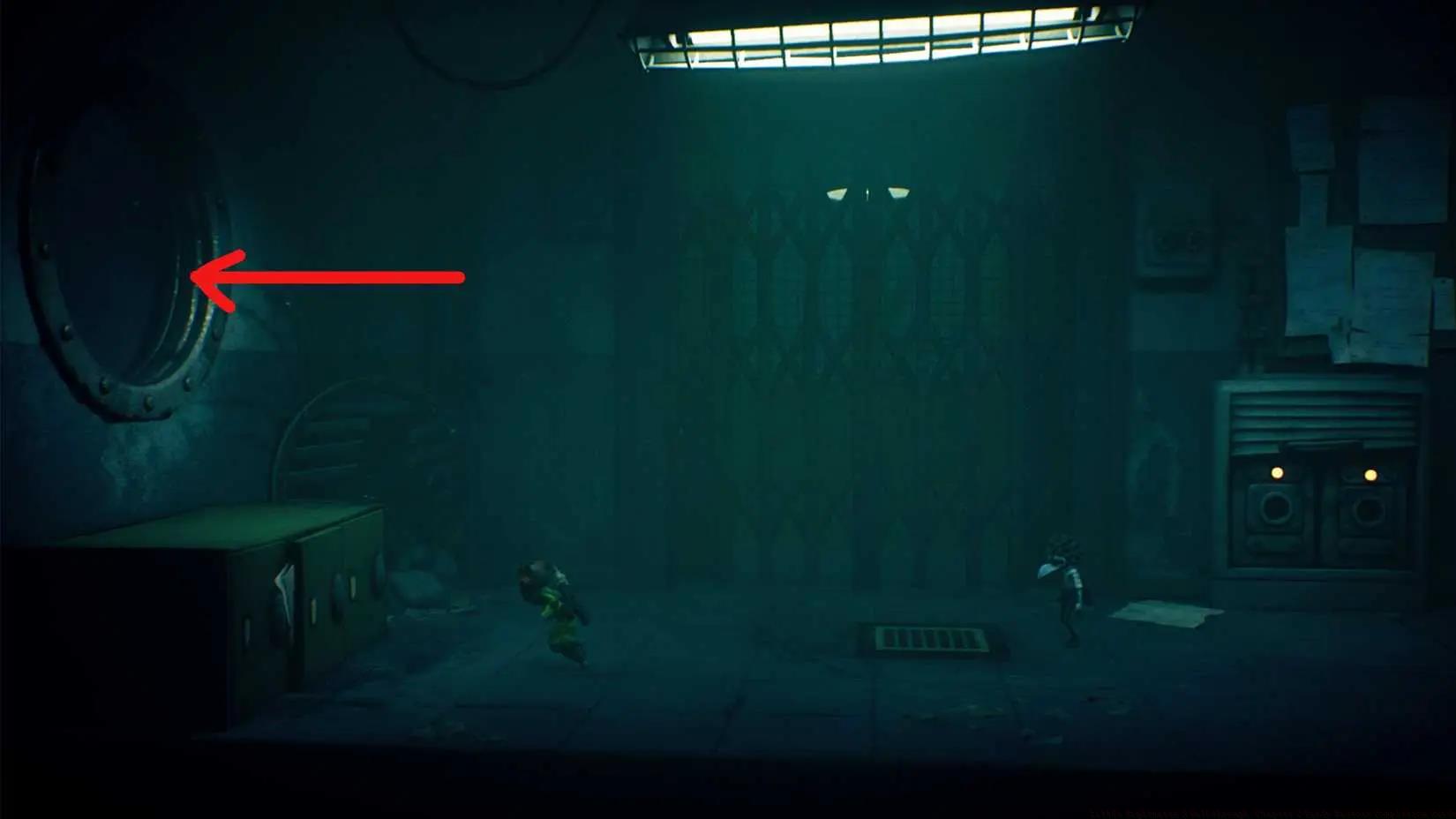
Power management follows specific sequencing rules: primary conduits must activate before secondary branches, and overload prevention requires balanced distribution. Each electrical node features distinct connection requirements – some demand simultaneous activation while others follow sequential patterns.
Successful navigation demands understanding circuit completion priorities. Begin by identifying the primary power source, typically located in central control rooms. Secondary connections often require character separation, with one managing switch operations while the other handles conduit alignment. The final connection usually involves precise timing between both characters’ actions.
Hazard avoidance remains paramount throughout electrical sections. Sparking conduits indicate imminent discharge zones – maintain safe distance during activation sequences. Water accumulation areas dramatically increase electrocution risks, requiring alternative routing solutions. Overloaded circuits trigger temporary system shutdowns, resetting puzzle progress and potentially alerting nearby threats.
Systematic doll collection requires thorough environmental exploration and understanding hidden placement patterns. Each doll occupies specific locations tied to puzzle completion or advanced platforming challenges.

The initial doll resides near the bridge activation area, concealed behind movable storage crates requiring cooperative pushing. The second doll appears after completing the first electrical puzzle, hidden within ventilation shaft access requiring character boosting.
Mid-chapter dolls demand more complex acquisition. The third doll occupies the conveyor belt control room, accessible only during specific Supervisor patrol gaps. The fourth requires backtracking after obtaining advanced movement capabilities, located in previously inaccessible elevated storage areas.
The final doll presents the greatest challenge, positioned within The Supervisor’s personal quarters during the confrontation sequence. Acquisition demands perfect stealth execution and environmental distraction utilization. This doll often requires multiple attempt cycles due to the high-risk recovery environment.
Collection efficiency tips include methodical area clearing before progression and maintaining mental mapping of inaccessible zones for later backtracking. Advanced players can optimize collection routes by combining doll acquisition with primary objective completion, though this increases overall difficulty substantially.
Battery-powered mechanisms represent the factory’s core puzzle elements, demanding strategic energy allocation and timing precision. These systems typically feature multiple power receptacles with varying energy requirements.
Successful solutions require understanding battery capacity limitations and recharge cycles. Standard batteries provide 30 seconds of continuous power before requiring 15-second recharge periods. Advanced batteries discovered later offer extended duration but feature slower recharge rates.
Power distribution follows logical progression patterns. Primary systems demand initial activation before supporting mechanisms become operational. Some puzzles require simultaneous multi-battery insertion, while others feature sequential power transfer requirements between connected devices.
Cooperative solutions maximize efficiency through divided responsibilities. One character typically handles battery transportation while the other manages receptacle activation timing. Advanced strategies involve creating battery caches near complex puzzle areas to minimize transportation downtime.
Common power management mistakes include premature battery removal during sequence transitions and inadequate recharge timing. Optimal approach involves mapping complete power flow requirements before initiation and establishing clear communication protocols for battery exchange timing.
The factory’s automated surveillance network presents additional detection threats beyond The Supervisor’s patrols. These camera systems feature distinct behavioral patterns and detection parameters requiring specialized evasion techniques.

Surveillance cameras operate on 360-degree rotation cycles with varying sweep speeds. Standard units complete full rotations in 20 seconds, while advanced models feature irregular patterns and pause intervals. Each camera type possesses specific blind spots and detection ranges.
Movement through monitored areas demands understanding detection zone boundaries. Peripheral detection triggers investigation mode, while central zone contact initiates immediate alerts. Safe passage requires timing movements through blind spots during rotation cycles and utilizing environmental cover during high-risk transitions.
Cover utilization strategies include hiding behind moving machinery during camera sweeps and using shadowed areas for temporary concealment. Some surveillance systems can be temporarily disabled through puzzle solutions or environmental interactions, though these typically trigger backup system activation.
Advanced evasion involves memorizing camera sequence patterns and identifying safe movement windows. Cooperative play allows distraction techniques where one character draws camera attention while the other advances. This strategy requires precise timing and established escape routes for the distracting character.
The conclusive confrontation with The Supervisor demands strategic exploitation of environmental vulnerabilities and precise execution timing. This multi-phase encounter tests all previously acquired skills under extreme pressure conditions.
Initial phase focuses on environmental preparation and weakness identification. The Supervisor possesses specific vulnerability to certain factory mechanisms, particularly the oversized mixing vats and conveyor belt systems. Successful strategy involves luring her into these environmental traps through careful positioning and baiting techniques.
Middle phase requires managing her enraged state following initial damage. During this period, her patrol patterns become less predictable and detection ranges expand significantly. Survival demands utilizing previously established safe zones and creating new escape routes through environmental manipulation.
Final execution phase involves triggering the definitive trap mechanism, typically requiring perfect coordination between both characters. This sequence demands split-second timing where one character distracts while the other activates the lethal mechanism. Failed attempts reset the encounter to previous phases with increased difficulty.
Victory requires mastering three key elements: environmental awareness for trap utilization, timing precision for execution sequences, and adaptive strategy for handling phase transitions. Practice and pattern recognition significantly reduce completion time for experienced players.
Action Checklist
- Practice lever coordination sequences with partner before attempting bridge activation
- Memorize The Supervisor’s 45-second patrol cycle and investigation patterns
- Systematically locate all five dolls using backtracking after obtaining new abilities
- Master battery timing and power distribution for complex puzzle solutions
- Execute final confrontation using environmental traps and precise coordination
No reproduction without permission:Tsp Game Club » Little Nightmares 3 Walkthrough: Chapter 2 Candy Factory Completion Guide Master Little Nightmares III's Candy Factory with expert stealth strategies, puzzle solutions, and doll collection techniques