
TL;DR
- Master nome chase patterns through coordinated movements and environmental awareness
- Solve electrical puzzles using systematic button sequences and partner coordination
- Navigate carnival attractions with precise timing and stealth evasion techniques
- Defeat Kin bosses by exploiting attack patterns and environmental weaknesses
- Collect all hidden dolls using visual cues and strategic exploration methods
Conquer the twisted carnival chapter with our enhanced walkthrough featuring advanced puzzle solutions, boss encounter strategies, and comprehensive collectible hunting techniques.
Prepare for Little Nightmares 3’s most demanding chapter where Carnevale morphs the traditional amusement park into a labyrinth of cerebral challenges, stealth maneuvers, and formidable boss battles. This exhaustive guide delivers expert navigation through every distorted passage, intricate switch puzzles, and complete doll collection while overcoming threats from the terrifying Kin and their smaller counterparts.
Your adventure commences with an iconic Little Nightmares pursuit scenario. The nome demonstrates consistent behavioral patterns, demanding precise synchronization with your partner character. Upon entering the initial chamber, the nome instantly retreats into the forward cabinet.
Access the cabinet drawer and observe the nome’s rightward escape path. Ascend onto the table surface, then vault onto the adjacent sofa alongside your companion. Maintain rhythmic bouncing until the nome reappears and escapes leftward. You’ll discover it concealed within a glass vessel on the highest shelf – employ your projectile weapon to fracture the container, compelling its ladder ascent.
Chapter 3 Of Little Nightmares 3
The nome consistently follows predetermined routes. Avoid hastiness – synchronize actions with your partner for seamless advancement through environmental obstacles.

Following the nome’s fuse deployment, proceed to the previously inaccessible left chamber. Install the fuse into the upper-left socket to activate the elevator mechanism. Collaborate with your ally to manipulate the control lever and initiate vertical transport.
Upon reaching the summit, acquire the illumination device (activate using R3/RS) and target the left-side button, inducing a calculated electrical overload. This power surge serves a deliberate purpose – you’re systematically restructuring the carnival’s energy distribution network.
The switch configuration puzzle may seem overwhelming but adheres to logical sequencing principles. While your partner activates the massive initiation switch, retract the curtain to expose the schematic solution diagram.
Permit the initial two switches to complete their activation cycles, then target the third and fourth as they become active. For the secondary sequence, bypass the first switch, engage the second, ignore the third, and activate the fourth. Finalize the pattern by targeting the second and third switches in the concluding sequence.
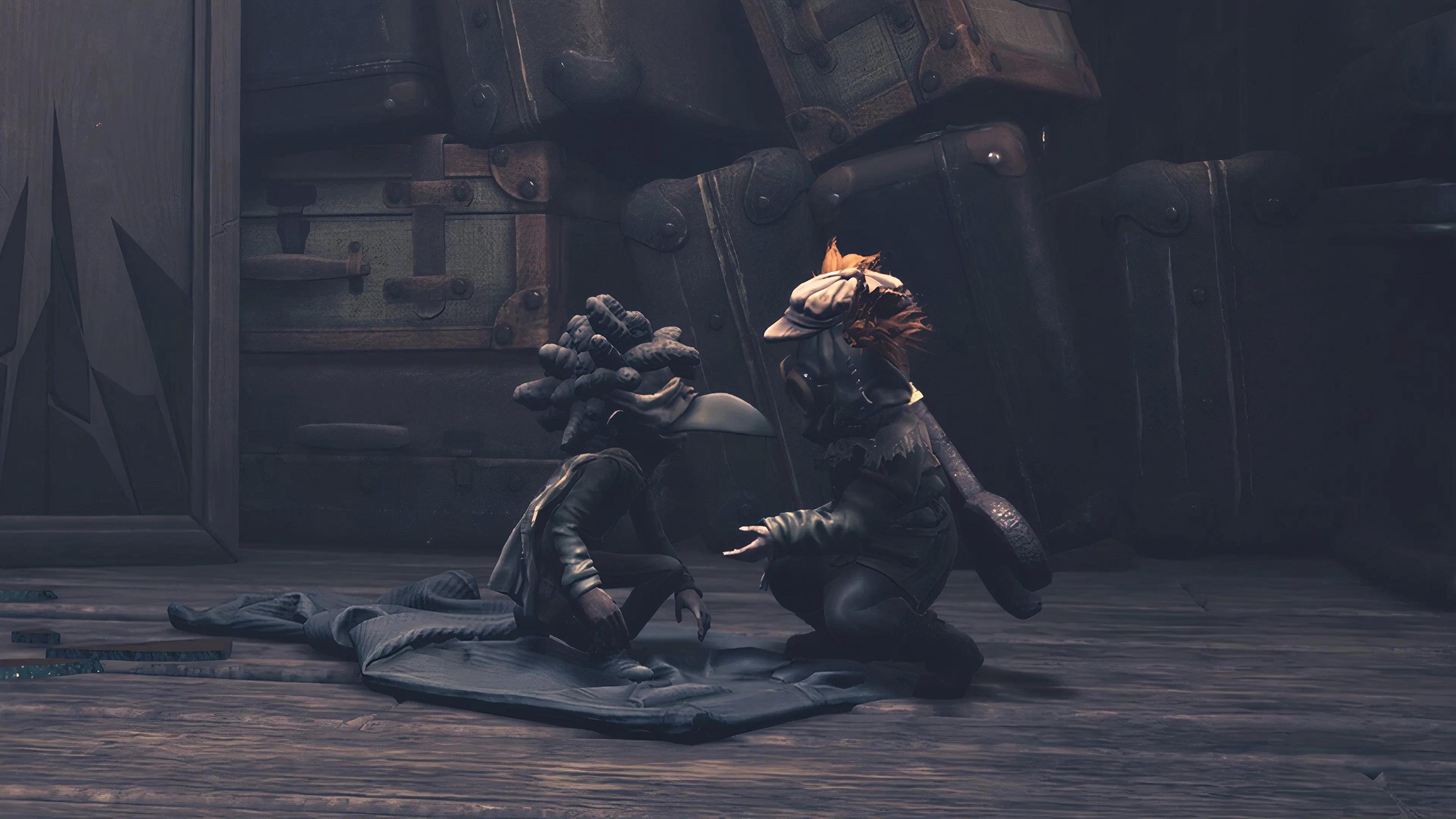
Mastering the climbing sequences requires understanding the game’s verticality mechanics. Each ascent presents unique challenges that test your spatial awareness and timing precision. The key collection process follows specific environmental cues that experienced players can learn to recognize.
Advanced climbing technique involves scanning each surface for optimal handhold placement before committing to movements. Look for visual indicators like discolored bricks or protruding edges that signal climbable surfaces. Time your jumps between platforms during the brief stability windows when structures are least mobile.
Key sequences typically follow color-coded or symbol-based patterns. Document each key’s location and the corresponding lock characteristics to establish retrieval patterns. Many players fail to recognize that key placement often reveals information about upcoming puzzle solutions.
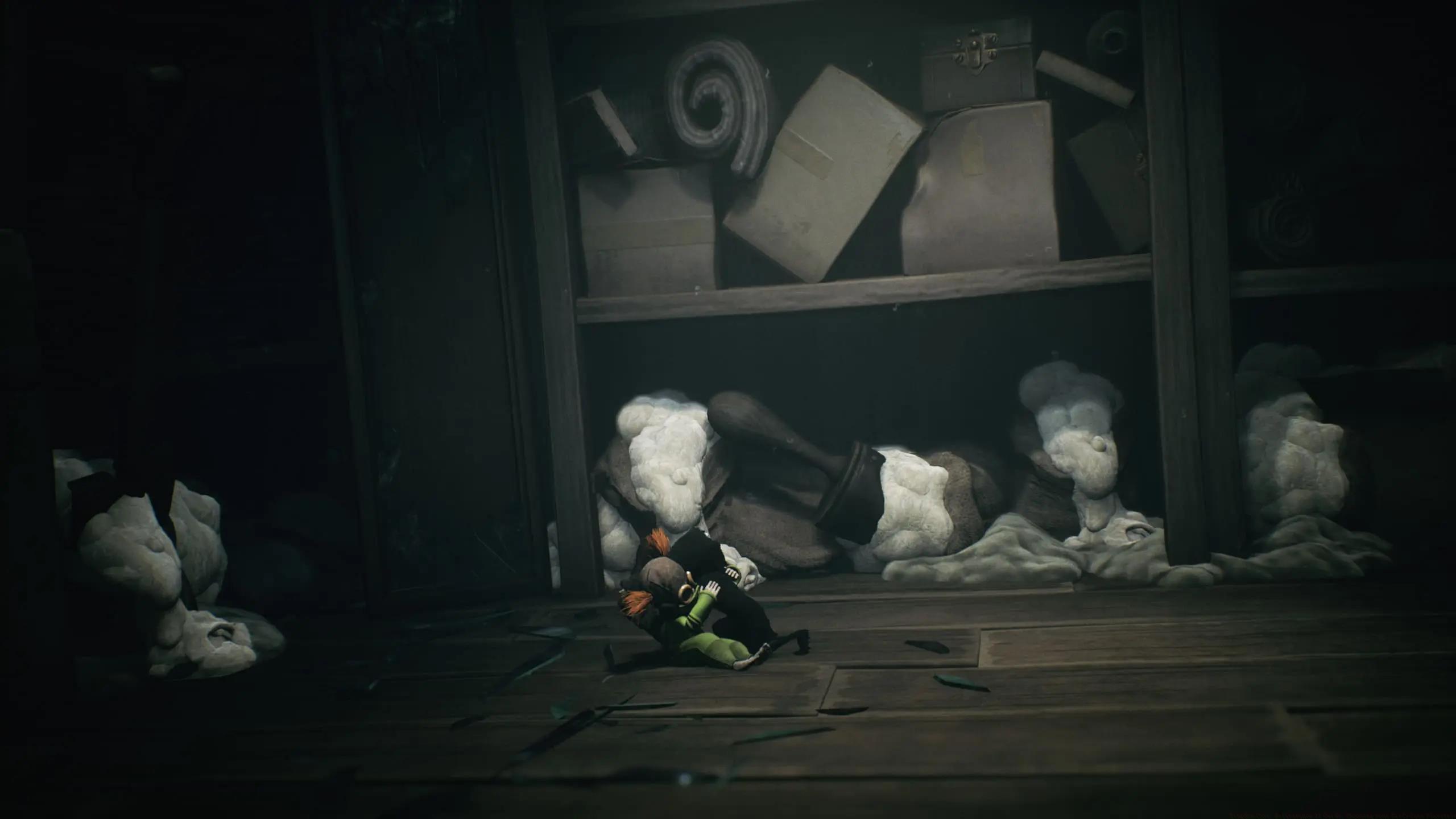
The carnival’s hostile inhabitants employ sophisticated detection systems that respond to audio cues, visual movement, and environmental disturbances. Understanding their patrol routes and sensory capabilities is crucial for successful evasion.
Enemy AI typically follows fixed patrol patterns with predictable pause intervals. Time your movements during their back-turned moments or when they’re distracted by environmental elements. The sound masking principle allows louder carnival noises to cover your movement sounds when timed correctly.
Common mistakes include rushing through areas without proper reconnaissance and failing to utilize shadow areas effectively. Advanced players use the ‘stop-and-observe’ technique upon entering new areas, identifying at least two potential escape routes before proceeding.
Stealth mechanics reward patience over speed. Moving slowly but consistently proves more effective than rapid movements followed by extended hiding. The enemy vision cones have specific ranges that can be tested safely from cover positions.

The carnival’s twisted rides present both transportation challenges and puzzle elements. Each attraction operates on distinct mechanical principles that must be understood for successful navigation.
Ferris wheel sequences require precise timing for boarding and disembarking during the slowest rotation phases. The merry-go-round sections demand careful weight distribution and rotational momentum understanding. Roller coaster segments test your ability to anticipate track changes and prepare for sudden directional shifts.
Advanced navigation involves mapping attraction cycles and identifying the optimal intervention points. Most rides have predictable patterns that repeat every 30-45 seconds, providing windows for strategic action. Partner coordination becomes especially critical during moving platform sequences where timing discrepancies can cause fatal errors.
Environmental hazards like moving obstacles, collapsing structures, and sudden drops require anticipatory positioning. Successful players position themselves in areas with multiple escape options rather than committing to single-path solutions.
The Kin present the chapter’s most formidable challenges, requiring sophisticated combat strategies and environmental exploitation. Their attack patterns follow specific telegraphing that observant players can learn to anticipate.
Kin bosses typically employ three-stage attack sequences with increasing aggression. The initial phase tests basic evasion skills, the middle phase introduces environmental hazards, and the final phase combines all elements with reduced warning times. Mini Kin serve as advanced scouts with faster movement but reduced health pools.
Weakness exploitation involves identifying attack recovery periods when bosses are vulnerable to counterattacks. Environmental elements like dangling chains, unstable platforms, and destructible objects can be weaponized against both Kin varieties. The flashlight proves particularly effective against certain Kin types when used during their vulnerability windows.
Team coordination separates successful encounters from repeated failures. Designate roles where one player distracts while the other activates environmental traps or targets weak points. Communication timing proves more valuable than rapid execution – a well-timed coordinated action outperforms multiple uncoordinated attempts.
The Carnevale chapter contains numerous hidden dolls that require meticulous exploration and puzzle-solving to locate. These collectibles often reside in areas that appear inaccessible during initial playthroughs.
Doll placement follows specific design principles – they’re typically found in areas that reward backtracking, environmental manipulation, or alternative solutions to puzzles. Many require returning to previously visited locations with new abilities or items acquired later in the chapter.
Visual indicators for doll locations include subtle environmental anomalies like slightly different textures, out-of-place objects, or minor audio cues. Advanced collectors develop a ‘detection sense’ for these subtle hints through repeated playthroughs.
Timing-based doll collections require understanding the carnival’s cyclical patterns. Some dolls only appear during specific attraction cycles or time-limited windows. Documenting these patterns during initial exploration saves significant time during collection attempts.
Common collection mistakes include failing to thoroughly investigate elevated areas, overlooking destructible environmental elements, and missing the connection between puzzle solutions and hidden area access.
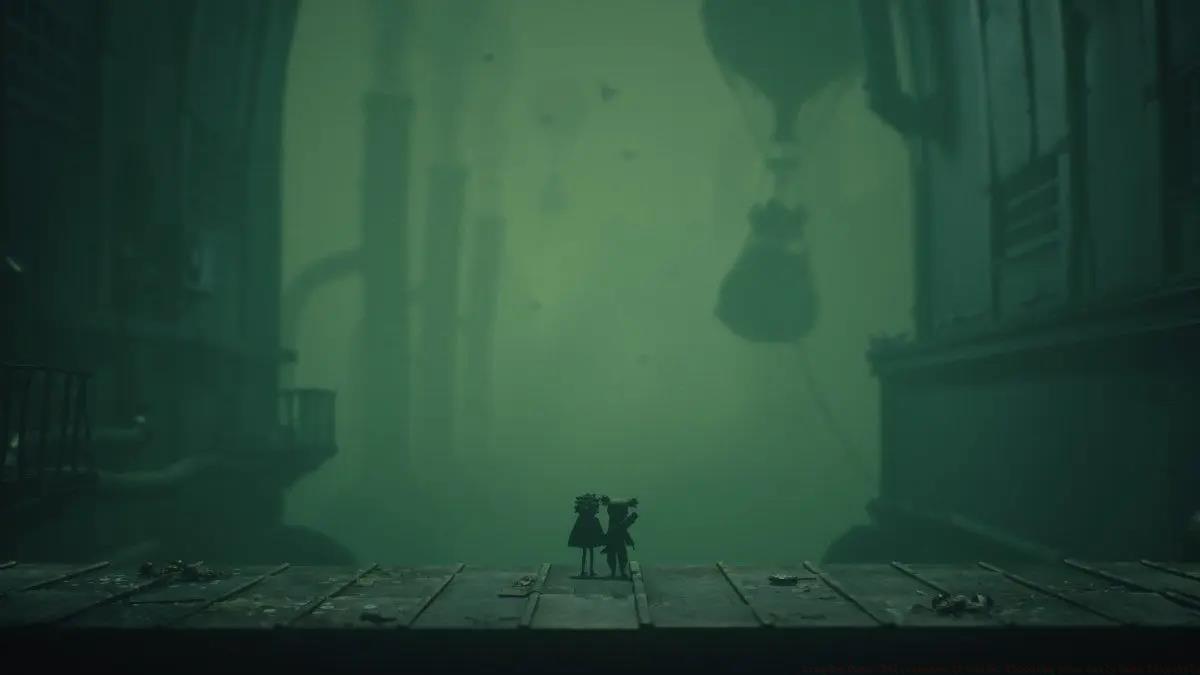
The chapter culminates in an exhilarating hot air balloon escape sequence that tests all previously mastered skills under time pressure. This multi-stage finale demands flawless execution and precise coordination.
Balloon preparation involves activating multiple ignition systems while defending against escalating enemy attacks. The sequence follows a strict timing pattern where delayed actions compound into increasingly difficult scenarios. Advanced players prepare ignition materials during earlier exploration to streamline this process.
Escape mechanics require managing altitude control while simultaneously addressing incoming threats. The balloon’s ascent follows specific physics that can be manipulated through weight distribution and burner timing. Understanding these principles prevents catastrophic crashes during critical moments.
Completion rewards include chapter-specific achievements, cosmetic enhancements, and progression toward overall game completion. Successful execution often requires multiple attempts to master the timing sequences and enemy spawn patterns.
Finale optimization involves memorizing the exact sequence of required actions rather than reacting to events. Pre-planning each movement during calm periods prevents panic decisions during high-pressure moments.
Action Checklist
- Master nome chase patterns through coordinated sofa bouncing and projectile timing
- Solve elevator button puzzle using systematic activation sequence (2-4-2-4-2-3 pattern)
- Navigate climbing sequences using environmental cue recognition and timed jumps
- Evade enemy encounters through stealth positioning and audio cue management
- Collect all hidden dolls using backtracking strategies and visual indicator recognition
- Defeat Kin bosses through pattern recognition and environmental weakness exploitation
- Execute hot air balloon escape sequence with precise timing and coordinated actions
No reproduction without permission:Tsp Game Club » Little Nightmares 3 Walkthrough: Chapter 3 Carnevale Completion Guide Master Little Nightmares 3's Carnevale chapter with advanced strategies, collectible guides, and boss tactics