
Essential Marathon gameplay guide: Extraction shooter strategies, faction tactics, and 2026 release insights
Release Timeline and Core Game Features
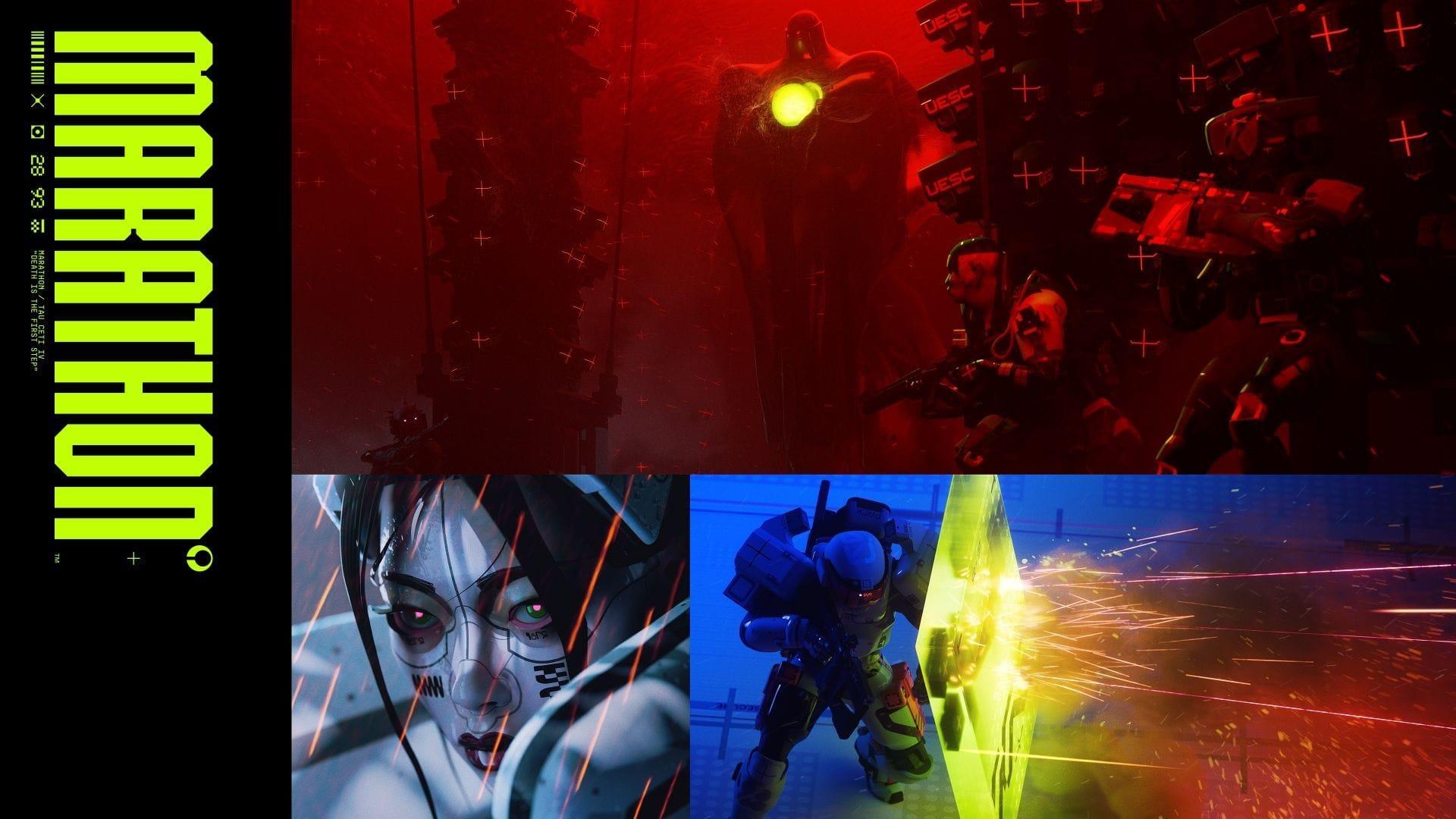
Bungie has officially confirmed the Marathon release window with a global launch scheduled for March 2026. This first-person extraction shooter generated significant community excitement during its closed technical test concluding October 28, 2025. Development footage showcased multiple gameplay systems that demonstrate Bungie’s commitment to evolving the extraction shooter genre.
The technical test revealed core mechanics that differentiate Marathon from competitors, including advanced audio design and environmental storytelling elements. Players should prepare for a challenging experience that combines tactical shooting with strategic decision-making.
According to official communications, purchasing Marathon grants complete access to the base game plus all forthcoming free content updates. The development roadmap commences with Season 1’s UESC Marathon’s Cryo Archive, introducing new combat zones, additional Runner shells, seasonal events, and expanded narrative content. Battle pass progression systems ensure cosmetic rewards remain permanently accessible without expiration concerns.
While Bungie hasn’t revealed the complete content calendar, preliminary details confirm several innovative features. The PvPvE format incorporates proximity voice chat for dynamic player interactions, dedicated solo queue options for lone operators, and the Rook runner shell designed specifically for scavenging active engagements.
Gameplay Mechanics and Strategic Systems
Marathon’s sci-fi universe establishes a dark, gritty atmosphere where players assume the role of Runners—elite operatives capable of transferring consciousness between specialized shells. This mechanical foundation enables diverse playstyle adaptation and strategic flexibility during extended operations.
The game delivers exceptional visual presentation with enhanced graphical fidelity and immersive environmental details. Realism elements include progressive corpse decomposition and dynamic audio systems that provide both cinematic atmosphere and critical tactical information. Sound design intentionally distinguishes various threat types and environmental hazards.
Four primary combat zones—Perimeter, Dire Marsh, Outpost, and the climactic Cryo Archive—offer distinct tactical challenges. Cryo Archive serves as the ultimate endgame examination, combining relentless PvE enemy waves with elimination pressure from elite opposing squads. Strategic positioning and resource management become critical survival factors in these environments.
Weapon customization systems enable extensive loadout personalization, while the Runner Shells mechanic introduces tactical depth through specialized archetypes. The Destroyer excels in direct confrontations, Recon specializes in intelligence gathering, and Thief focuses on stealth and resource acquisition. Shell selection should align with both individual playstyle and squad composition requirements.
Faction Warfare and Progression Systems
Marathon introduces six distinct factions: Arachne, Cybercrime, Sekiguchi, Traxus, and Mida. Each organization features unique upgrade trees with unlockable capstone abilities that permanently enhance character statistics. Faction allegiance decisions carry long-term consequences through account-wide perks and reputation-based rewards.
Every faction maintains exclusive lore narratives, specialized contracts, and permanent progression benefits. Completing faction missions increases reputation standing, unlocking enhanced capabilities and cosmetic customization options. Strategic faction selection should align with preferred gameplay approaches and long-term progression goals.
The Codex interface catalogs Runner accomplishments and narrative discoveries, providing both gameplay rewards and deeper universe context. Codex progression unlocks cosmetic items while documenting player achievements across multiple gameplay sessions. This system encourages exploration and engagement with Marathon’s rich science fiction backdrop.
Faction warfare creates dynamic conflict zones where player decisions influence territorial control and resource distribution. Understanding faction-specific objectives and upgrade paths becomes essential for maximizing progression efficiency and tactical advantage in contested areas.
Advanced Strategies and Common Pitfalls
Successful Marathon operation requires mastering extraction fundamentals: always maintain escape route awareness, prioritize objective completion over unnecessary engagements, and coordinate shell selections with squadmates. Novice players frequently underestimate environmental threats while overestimating their combat capabilities in unfamiliar zones.
Avoid these common mistakes: neglecting audio cues indicating nearby threats, improper resource management during extended deployments, and faction commitment without understanding long-term progression implications. Advanced players recommend mastering at least two shell archetypes to maintain tactical flexibility across different mission types.
Optimization strategies include focusing reputation gains on a primary faction initially, experimenting with weapon modifications in controlled environments, and studying zone layouts before attempting high-risk extraction objectives. The Cryo Archive demands particular preparation through upgraded gear and coordinated team composition.
Proximity chat introduces psychological warfare elements—use communication strategically to misdirect opponents or coordinate silent executions. Sound management separates elite Runners from casual operators; learn to distinguish between environmental audio and player-generated threats.
No reproduction without permission:Tsp Game Club » Marathon release window confirmed: Price and gameplay details revealed Essential Marathon gameplay guide: Extraction shooter strategies, faction tactics, and 2026 release insights