
Mecha BREAK first impressions: stunning mech combat meets complex interface and monetization challenges
Initial Impressions and Setup Experience
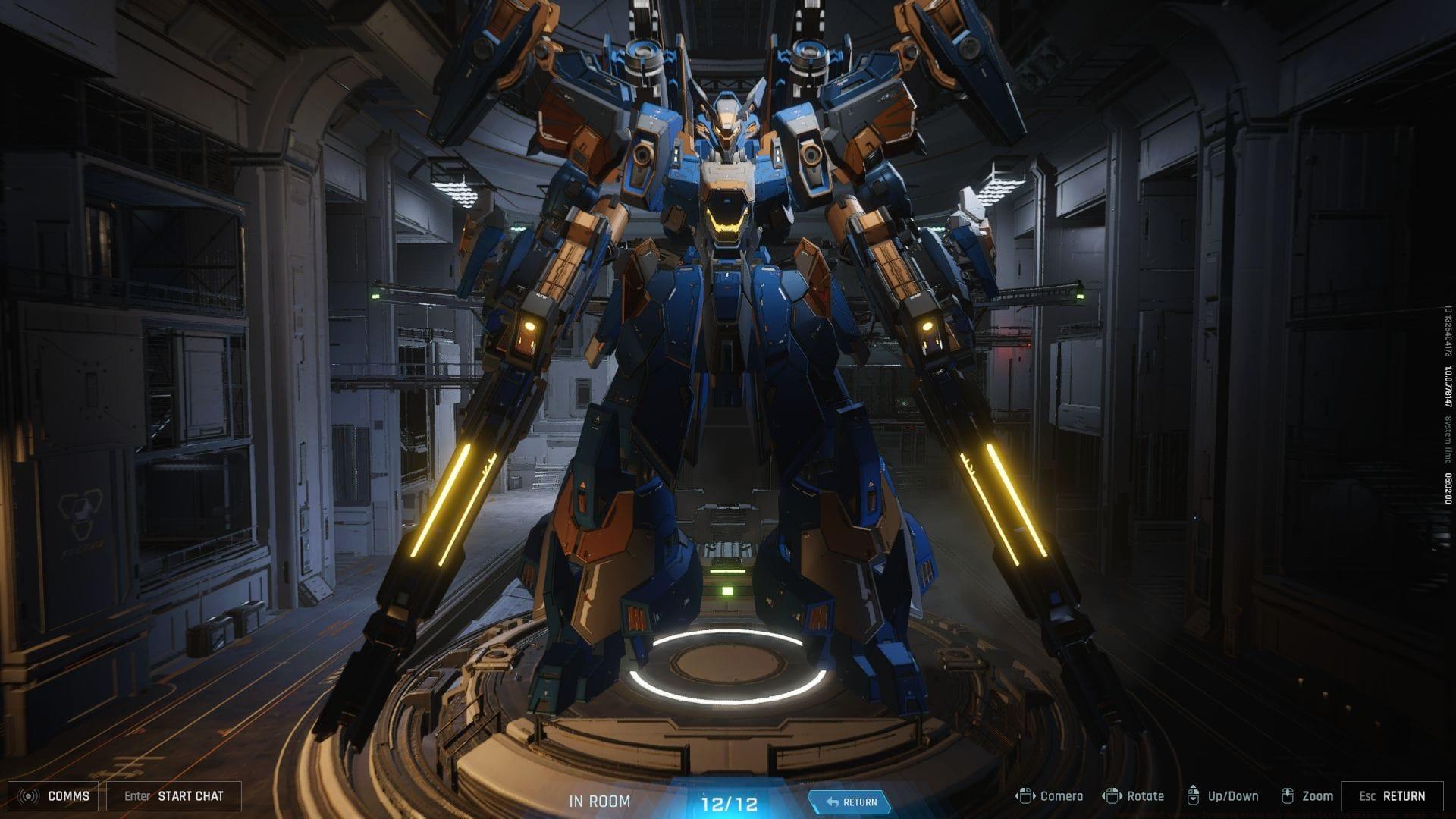
Launching Mecha BREAK for the first time presents an immediate sensory overload experience. As a new intellectual property from Amazing Seasun Games, the initial exposure through cinematic trailers and beta access builds substantial anticipation around fast-paced mech warfare, visually striking character designs, and extensive narrative depth. Having dedicated nearly ten years to multiplayer action titles, I approached with cautious optimism about whether the final product could deliver on its ambitious promises.
Navigating the opening moments proves immediately challenging due to excessive interface pop-ups. Each game launch bombards players with multiple promotional notifications that require systematic dismissal before accessing core gameplay. This initial barrier creates unnecessary friction for newcomers seeking immediate immersion in the mech combat experience.
The auditory landscape immediately stands out with professionally crafted sound effects and atmospheric background scoring that effectively establishes the game’s sci-fi tone. However, default volume levels tend toward excessive loudness, necessitating early adjustments in settings menus for comfortable extended play sessions.
Testing circumstances presented matchmaking limitations with the review build, requiring scheduled developer sessions to experience full lobby functionality. North American-exclusive test servers resulted in consistent 300+ ping rates for international players, making accurate assessment of server stability and smoothness difficult prior to global launch.
Mecha BREAK adopts a free-to-play model with cross-platform compatibility, significantly expanding potential player bases across different ecosystems. This accessibility decision represents a strong commitment to community building despite the technical challenges observed during testing phases.
Interface Design and Navigation Challenges
User interface design frequently determines player retention in complex multiplayer games, and Mecha BREAK presents significant navigational hurdles. The development team has created an overwhelmingly dense main menu system that challenges even experienced gamers with its complexity.
Primary navigation points include Tactical Station, Logistics, Striker Bay, Operation Storm, and Marketplace—each containing multiple subsections and configuration options. This density creates analysis paralysis for new players uncertain where to begin their mech customization or match preparation journeys.
Match initiation introduces another interface peculiarity requiring Space bar activation or clicking a minimally sized Strike button in the screen’s bottom-right corner. This counterintuitive design caused repeated confusion during early sessions, with multiple instances of waiting for matches that never commenced due to missed activation requirements.
Pro Tip: Create a mental map of the interface by focusing on three core areas: Striker Bay for mech customization, Operation selection for gameplay modes, and Marketplace for economic activities. Ignore secondary options until you’ve mastered basic navigation.
The learning curve for interface mastery extends beyond simple orientation, requiring memorization of multiple menu paths for common actions. This complexity contrasts sharply with the game’s otherwise accessible free-to-play model, potentially creating barriers for casual players seeking quick mech combat sessions.
Game Modes and Combat Mechanics
Mecha BREAK structures its core gameplay around three distinct modes: Operation Verge, Ace Arena, and Operation Storm. Each utilizes expansive, thoughtfully designed maps with typical match durations around ten minutes, maintaining brisk pacing that rewards aggressive playstyles.
Combat mechanics emphasize constant mobility and positional awareness. Stationary players become easy elimination targets in the fast-paced, chaotic engagements that define the mech warfare experience. This movement-centric design creates dynamic battlefields but punishes tactical positioning and defensive playstyles.
Ace Arena delivers straightforward team deathmatch gameplay where squads compete to achieve eight eliminations per round, with victory going to the first team winning two of three rounds. The mode offers pure, uncomplicated combat focus but lacks strategic depth beyond basic elimination tactics.
Operation Verge serves as the primary 6v6 objective-based mode, featuring dynamic goal rotation between point capture and target escort missions. This variability demands constant tactical adaptation but replicates familiar shooter formulas without significant innovation.
Operation Storm on Mashmak emerges as the standout experience, blending PvPvE elements across Normal, Hard, and Extreme difficulty settings. This mode tasks players with resource collection, AI enemy engagement, and timed extraction—creating tension-filled sessions that reward coordination and risk assessment.
Advanced Strategy: In Operation Storm, prioritize movement between cover points while engaging AI enemies. The robotic opponents present minimal threat individually but can overwhelm through numbers if you remain exposed for extended periods.
While all modes demonstrate polished execution, only Operation Storm delivers genuinely novel gameplay within the mech combat genre. The other options provide competent but derivative experiences available in numerous existing multiplayer titles.
Mech Customization and Visual Design
The colossal mechs, designated as Strikers, represent Mecha BREAK’s most impressive achievement with exceptionally detailed designs and cinematic animation quality. From precisely modeled sharp edges to fluid combat movements, these mechanical giants demonstrate near-flawless visual execution that satisfies even the most demanding mech enthusiasts.
Pilot characters controlling the Strikers receive equal artistic attention, featuring comparable design quality and personality expression. This dual focus ensures both mechanical and human elements maintain consistent visual standards throughout the experience.
Customization depth extends across multiple dimensions, offering extensive color schemes, pattern applications, and cosmetic modifications for Strikers. Pilot personalization includes clothing options, tattoo selections, and even voice preference choices—creating substantial role-playing opportunities beyond basic combat functionality.
Mechanical performance varies significantly between Striker classes, with each offering unique combat specialties and movement capabilities. Initial experimentation with the Falcon model eventually led to preference for the Inferno variant due to its engaging playstyle and effective combat performance.
Common Mistake: Avoid committing to a single Striker too early. The current balance issues mean some mechs significantly outperform others, so testing multiple options during initial hours prevents investment in underpowered models.
Balance concerns represent the customization system’s primary weakness, with certain Strikers demonstrating clear power advantages over counterparts. Community feedback will hopefully guide future balancing patches to ensure competitive integrity across all available mech options.
Economy and Progression Systems
Mecha BREAK’s customization depth comes with complex economic systems that heavily emphasize microtransactions. Four distinct currencies—Achievement Points, Mission Tokens, Corite, and Matrix Credits—create confusion around acquisition methods and purchase requirements for desired items.
While technically possible to earn most currencies through gameplay, the grinding requirements for premium cosmetics and customization options demand substantial time investments. This creates tension between the free-to-play accessibility and the desire for meaningful personalization without financial commitment.
The marketplace interface compounds economic complexity by obscuring clear paths to specific unlocks. Players must navigate multiple currency conversions and availability windows to understand what they can realistically obtain through gameplay versus monetary investment.
Optimization Tip: Focus initially on Achievement Points and Mission Tokens, as these provide the most straightforward path to early customization options. Corite and Matrix Credits should be reserved for specific high-value items rather than scattered small purchases.
This economic approach may frustrate players accustomed to more transparent progression systems, though it aligns with contemporary free-to-play models that balance accessibility against monetization pressure. The key lies in managing expectations around achievable unlocks through dedicated gameplay versus financial participation.
Base Exploration and Additional Content
Beyond competitive multiplayer, Mecha BREAK offers substantial base exploration opportunities allowing character movement through various social spaces. Locations include the Mess Hall, Tactical Station, Striker Bay, and personal quarters—each providing different interaction possibilities and atmospheric depth.
Environmental engagement extends to nearly all non-player characters throughout the base, creating living social hub experiences. Minor interactions like vending machine use, shower activation, or observational sitting animations contribute to world-building despite their minimal gameplay impact.
Combat Logs accessible via the profile banner in the top-left menu corner deliver narrative content through cutscenes and brief missions expanding the game’s lore. While the storyline doesn’t revolutionize sci-fi tropes, its presentation quality maintains engagement through professional production values.
The base serves as both functional hub and atmospheric showcase, balancing practical navigation needs with immersive environmental storytelling. This dual-purpose design strengthens player connection to the game world between combat sessions.
Mecha BREAK ultimately presents as a visually spectacular multiplayer title with significant potential. The mech designs and customization options rank among the genre’s best, complemented by genuinely entertaining combat mechanics. However, interface complexity and aggressive monetization prevent it from achieving excellence, requiring player patience to navigate these hurdles for the rewarding core experience beneath.
Giant robot enthusiasts seeking distinctive multiplayer action will likely find substantial enjoyment, provided they prepare for considerable initial time investment understanding the game’s various systems and navigation challenges.
No reproduction without permission:Tsp Game Club » Mecha BREAK review: Stunning mechs and chaotic battles with a few rough edges Mecha BREAK first impressions: stunning mech combat meets complex interface and monetization challenges