
Complete guide to Metal Gear Solid Delta Snake Eater’s enhanced gameplay, performance analysis, and strategic approaches
Introduction: A Legend Reborn
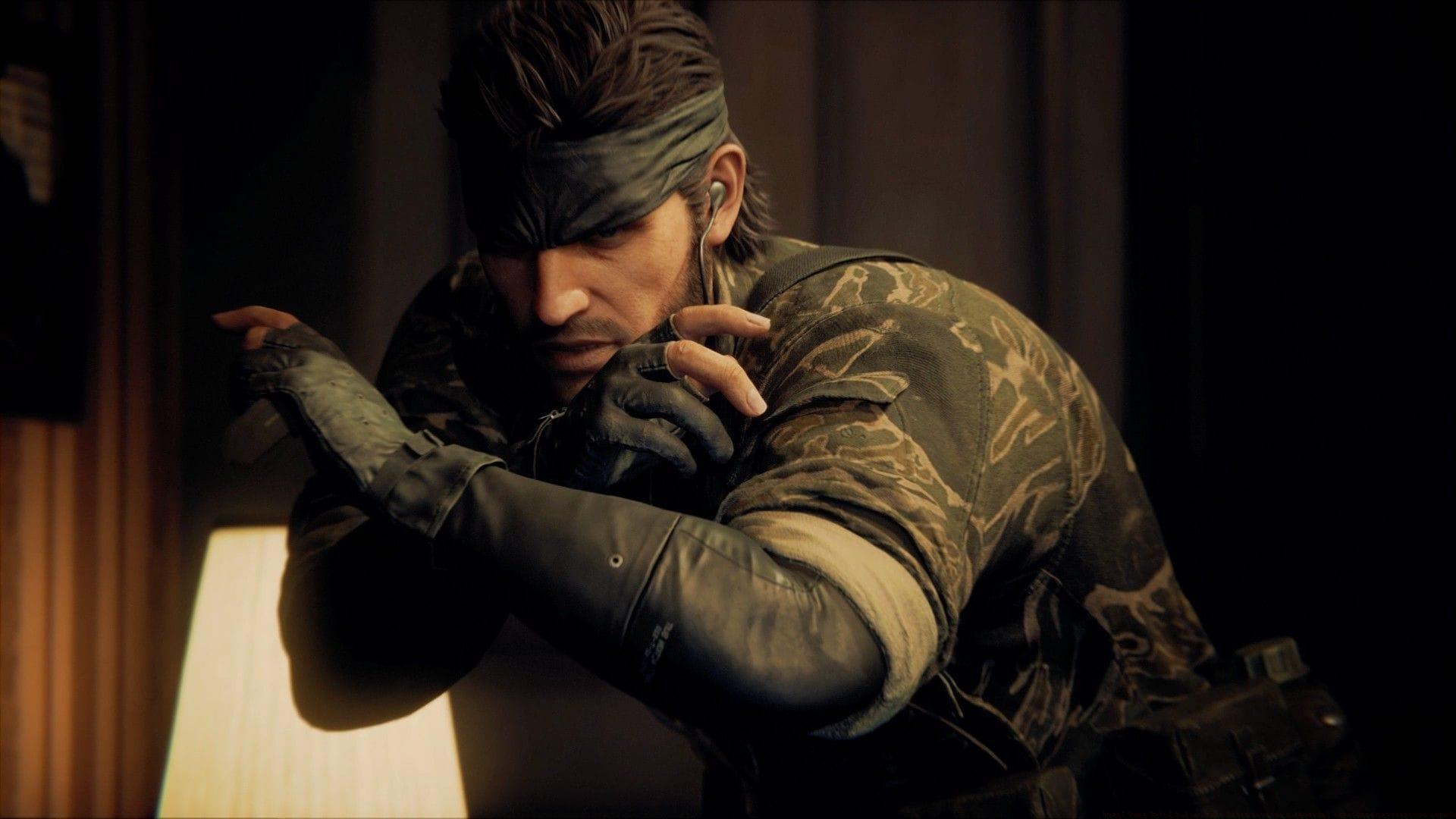
Konami’s ambitious revival of Metal Gear Solid Delta Snake Eater represents a significant milestone in gaming preservation, reintroducing what many consider the pinnacle of tactical espionage action to contemporary audiences. The Metal Gear narrative arc reached its conclusion with 2015’s The Phantom Pain, marking nearly ten years since fans experienced a new mainline entry. This carefully crafted remake bridges generational gaps while honoring the series’ intricate legacy.
The development team has meticulously preserved the nuanced gameplay systems that defined the original experience. Players will discover countless interactive elements within the jungle environments, many serving as optional mechanics that reward creative problem-solving. First-time players may overlook these subtleties, but repeated playthroughs reveal astonishing depth in environmental interaction and enemy AI behavior patterns.
Beyond the core stealth mechanics, the game incorporates numerous survival elements that enhance immersion. Players must manage hunger, treat injuries, and adapt camouflage to environmental conditions—systems that collectively create a uniquely engaging espionage simulation experience rarely seen in modern gaming.
Enhanced Gameplay Mechanics
The arsenal of tactical options available in Metal Gear Solid Delta Snake Eater spans from deceptive tools like fake death pills to environmental weapons such as thrown snakes. These intricate systems, which originally captivated Metal Gear enthusiasts, return with refined implementations. The core gameplay loop maintains its foundational structure while incorporating quality-of-life enhancements designed to appeal to modern gaming sensibilities.
Konami introduces two distinct gameplay modes catering to different player preferences. The New Style configuration, which I strongly recommend for most players, implements a default third-person perspective providing superior environmental awareness. Similar to Metal Gear Solid V’s control scheme, players can seamlessly transition between third-person and first-person views when aiming weapons, creating a distinctly contemporary feel.
Veteran players concerned about losing the original’s distinctive charm can rest assured—Delta Snake Eater successfully modernizes control schemes while preserving the soul of the experience. The original MGS3’s fixed camera angles often complicated boss encounters, but the New Style option eliminates these frustrations while maintaining the intensity of iconic confrontations.
For purists seeking authentic nostalgia, Legacy Mode recreates the overhead perspective with first-person aiming. Though I didn’t complete the entire game using this mode, initial testing revealed subtle camera refinements that improve upon the original’s sometimes cumbersome viewing angles.
Strategic Recommendation: Allocate significant time during initial hours to experiment with both control schemes. The game richly rewards methodical exploration and tactical planning, with multiple viable approaches to most scenarios. Mastering the camouflage system early dramatically improves stealth effectiveness—regularly check your camouflage index and adjust your uniform accordingly.
Cinematic Storytelling Excellence
As a dedicated Metal Gear enthusiast with over ten years of series experience (excluding Peace Walker and Portable Ops), I can confidently affirm this remake preserves the distinctive charm of the original Metal Gear Solid 3. Boss encounters retain their satisfying complexity, particularly enhanced by the New Style camera system’s improved visibility and control responsiveness.
Hideo Kojima’s narrative approach remains uniquely cinematic within the gaming landscape. His profound appreciation for film culture manifests through storytelling techniques that emulate cinematic presentation rather than conventional video game narrative structures.
The original Metal Gear Solid 3 established this tradition with an engrossing espionage narrative overflowing with tropes reminiscent of classic spy films, particularly the James Bond franchise. The plot follows protagonist Jack, a CIA operative infiltrating Soviet territory to investigate advanced weapon development.
Operating under the codename Naked Snake, players encounter increasingly memorable characters throughout an adventure that establishes the origin story of the legendary Big Boss. Metal Gear Solid Delta Snake Eater faithfully recreates the emotional impact and iconic sequences from the original, from meticulously directed cutscenes to legendary boss battles.
The vocal performance roster sees the celebrated return of David Hayter as Snake, reclaiming the role after Kiefer Sutherland’s tenure in The Phantom Pain. While Sutherland delivered a competent performance, Hayter’s distinctive voice remains synonymous with the character for longtime fans. His return after nearly a decade feels both nostalgic and appropriate.
Supporting cast members universally reprise their roles with outstanding performances, including Cynthia Harrell’s return to perform the iconic Snake Eater theme with renewed vigor. The audio design extends beyond voice work, featuring meticulously crafted environmental sounds that enable players to detect threats through auditory cues alone—from enemy footstep patterns to reptile warning hisses.
Technical Performance & Visuals
Metal Gear Solid Delta Snake Eater transitions from Konami’s proprietary Fox Engine to Unreal Engine 5, a shift that maximizes the visual potential of Snake Eater’s diverse environments. While the Fox Engine delivered impressive results for The Phantom Pain and Ground Zeroes in 2015, UE5 elevates jungle foliage, Soviet installations, and character models to unprecedented fidelity within the series.
Character designs receive thoughtful updates while maintaining recognizable silhouettes and personalities. Snake, Eva, The Boss, and supporting characters appear more detailed than ever—particularly Volgin, whose facial scarring and injuries now convey enhanced menace and intimidation.
Given Unreal Engine 5’s mixed performance history across recent releases (including technical struggles in titles like Wuchang Fallen Feathers), skepticism regarding optimization is understandable. However, MGS Delta Snake Eater demonstrates remarkably stable performance throughout most gameplay segments.
During testing, the game maintained a consistent 60 FPS cap with only minor frame rate dips during loading transitions. Notably absent were the visual artifacts and rendering glitches that frequently plague UE5 implementations, indicating thorough optimization efforts.
Performance Context: This represents the second well-optimized Unreal Engine 5 title I’ve experienced this year alongside Clair Obscur Expedition 33. Both Konami and development partner Sandfall demonstrate that careful optimization can overcome UE5’s performance challenges, ensuring smooth gameplay across compatible hardware configurations.
While performance proved excellent on my testing rig, players with previous-generation graphics cards should anticipate potential frame rate inconsistencies, particularly in densely vegetated areas or complex enemy encounters.
Practical Tips & Common Pitfalls
While Metal Gear Solid Delta Snake Eater stands among the most accomplished remakes in recent memory, several considerations deserve attention. Performance remains generally solid, particularly for an Unreal Engine 5 production, though hardware limitations may impact consistency on older systems.
The most significant challenge for newcomers involves occasionally unclear mechanical explanations. Although the pause menu includes a Tips section outlining basic systems, certain item interactions and equipment functions lack comprehensive guidance.
Avoid These Common Mistakes:
– Neglecting Camouflage Management: Frequently check your camouflage index and change uniforms to match environmental conditions
– Rushing Through Areas: The game rewards patient observation and strategic positioning over hasty advancement
– Ignoring Sound Cues: Enemy footsteps, animal sounds, and radio conversations provide crucial tactical information
– Underutilizing CQC: Master the close-quarters combat system for non-lethal options and interrogation opportunities
Advanced Strategy: Experiment with unconventional approaches—using poisonous animals against enemies, creating diversions with empty magazines, and manipulating enemy patrol routes through environmental interaction. These techniques dramatically expand tactical possibilities beyond basic stealth gameplay.
Metal Gear Solid Delta Snake Eater magnificently captures the tactical espionage essence that defined the original. Konami demonstrates profound understanding of the source material, enhancing accessibility without compromising the depth that made MGS3 so revered.
The Soviet jungle environments create ideal playgrounds for tactical positioning and stealth maneuverability. As with the original, narrative execution and boss encounters form the emotional core of the experience.
For those apprehensive about alterations diminishing the original’s quality, confidence replaces concern—this remake honors Kojima’s vision while introducing it to new generations. As a longtime series advocate, I genuinely hope this successful revival signals future remakes in the pipeline.
Ultimately, Metal Gear Solid Delta Snake Eater represents the definitive method to experience Big Boss’s origin saga. As an avid Metal Gear enthusiast, I can unequivocally state that Konami has delivered an exceptional product that welcomes newcomers while satisfying veteran expectations.
Reviewed on: PC (Key provided by Konami)
Platforms: PC, PS5, Xbox Series X/S
Release Date: August 28, 2025
No reproduction without permission:Tsp Game Club » Metal Gear Solid Delta Snake Eater review: A tactical espionage masterpiece remade Complete guide to Metal Gear Solid Delta Snake Eater's enhanced gameplay, performance analysis, and strategic approaches