
Understanding Nintendo Switch 2’s physical game card incompatibility and why this technical decision benefits gamers
The Physical Reality of Switch 2 Game Cards
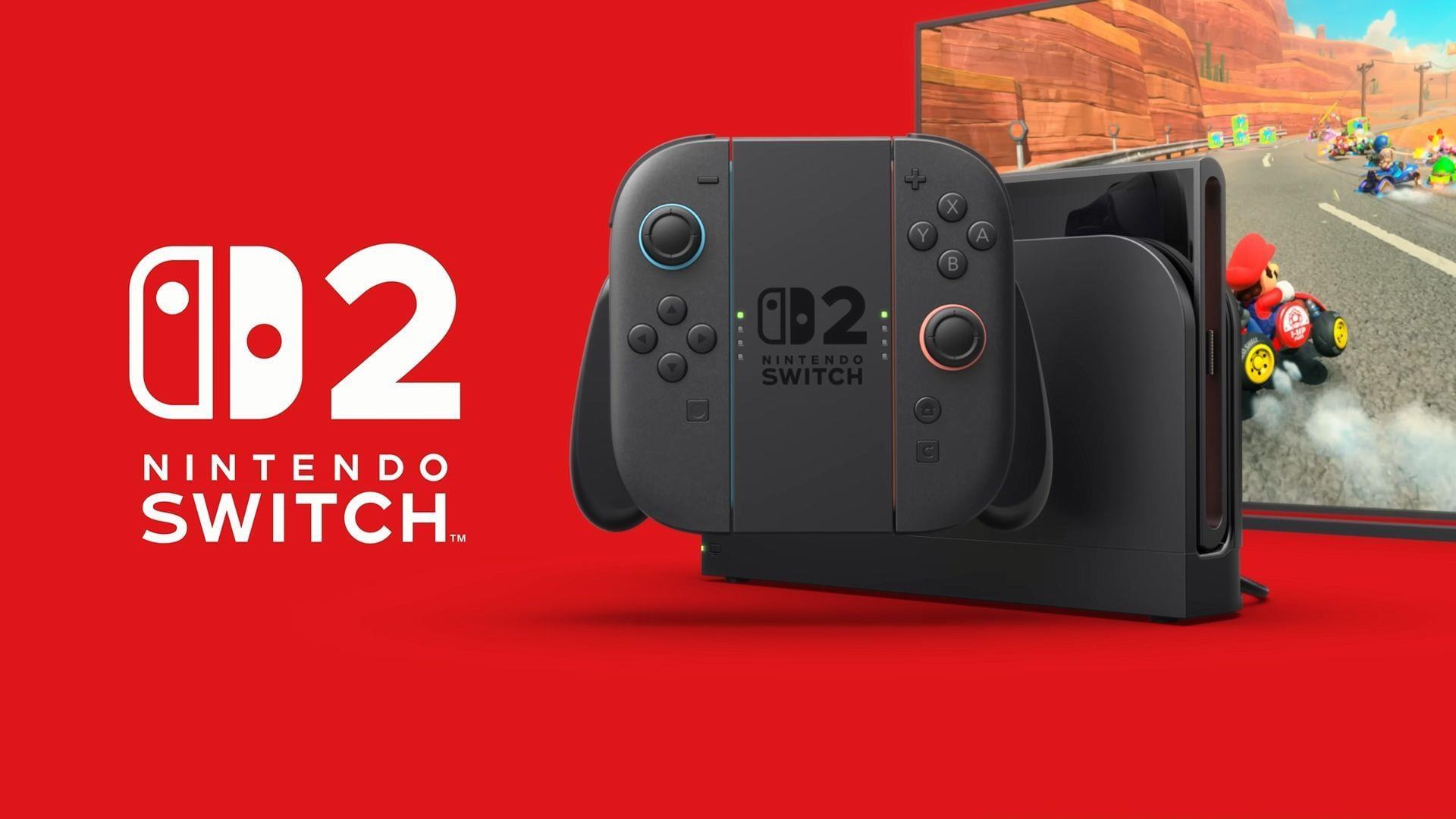
The upcoming Nintendo Switch 2 introduces noticeable physical alterations to its game card design that fundamentally prevent backward compatibility with original Switch hardware. Industry expert @Nintendeal recently highlighted these differences through social media documentation, revealing subtle but significant modifications to the card’s physical structure and likely internal architecture.
These technical revisions aren’t merely cosmetic – they represent necessary upgrades to support the Switch 2’s enhanced processing capabilities and storage requirements. The physical incompatibility stems from fundamental hardware improvements that enable richer gaming experiences but require specialized media formats. This approach mirrors historical console transitions where technological leaps necessitated new physical media standards.
Gaming hardware enthusiasts should understand that these physical changes likely incorporate advanced anti-piracy measures, improved data transfer speeds, and potentially expanded storage capacity. While disappointing for collectors hoping for universal compatibility, these engineering decisions ultimately serve to protect game developers’ intellectual property while delivering superior performance.
What This Means for Your Game Collection
For gamers building extensive Switch libraries, this incompatibility requires strategic planning. Your existing Nintendo Switch game collection will remain playable on original hardware, while Switch 2 titles will exclusively run on the new system. This separation creates a clear generational divide that impacts how players manage their physical game investments.
The silver lining emerges through digital content compatibility. Nintendo’s established account ecosystem and digital storefront will likely facilitate seamless access to your digital purchases across console generations, similar to their handling of the 3DS to Switch transition. Players should prioritize digital purchases for cross-generation titles and consider the trade-offs between physical collecting and digital convenience.
Collectors facing this transition should implement smart organization strategies: catalog physical games separately by generation, prioritize digital purchases for frequently played titles, and maintain original Switch hardware for legacy game access. This approach ensures uninterrupted access to your entire library while embracing the new system’s capabilities.
The Strategic Benefits of Incompatibility
Nintendo’s decision to implement physical incompatibility represents a calculated business and technical strategy rather than an oversight. This approach allows the company to fully leverage the Switch 2’s upgraded hardware without being constrained by legacy compatibility requirements. The result will be games that harness significantly improved processing power, enhanced graphics capabilities, and more complex gameplay mechanics.
From a market perspective, this clear generational separation helps prevent consumer confusion while establishing the Switch 2 as a distinct platform worthy of independent investment. It also encourages developers to create experiences specifically optimized for the new hardware rather than compromising game design for cross-generation compatibility.
The technical safeguards Nintendo has implemented extend beyond physical media differences to include software verification systems that prevent unauthorized cross-compatibility attempts. These protection measures ensure game performance integrity while maintaining the console’s security architecture, ultimately benefiting both developers and players through stable, optimized gaming experiences.
Practical Gaming Strategies Moving Forward
With US pre-order dates recently revealed, strategic planning becomes essential for maximizing your Switch 2 experience. Begin by inventorying your current Switch collection and identifying which titles you’ll continue playing on original hardware. For new purchases, evaluate whether immediate access or long-term compatibility better serves your gaming habits.
Consider implementing a phased transition approach: maintain your original Switch for existing physical games while using the Switch 2 for new releases and digital content. This dual-console strategy ensures access to your entire library while taking full advantage of the new system’s capabilities. Additionally, monitor Nintendo’s official announcements regarding digital transfer processes and cloud save compatibility.
As the gaming landscape evolves, remember that physical media incompatibility often drives digital preservation initiatives and emulation development. While not immediate solutions, these community-driven efforts frequently emerge to ensure long-term access to gaming history. In the meantime, practical planning and strategic purchasing will optimize your transition between console generations.
No reproduction without permission:Tsp Game Club » Nintendo Switch 2 game cards will feature a physical change to block backward compatibility on original Switch Understanding Nintendo Switch 2's physical game card incompatibility and why this technical decision benefits gamers