
Building India’s Esports foundation: Why grassroots development must precede Olympic medal ambitions
Olympic Recognition and Indian Esports Reality
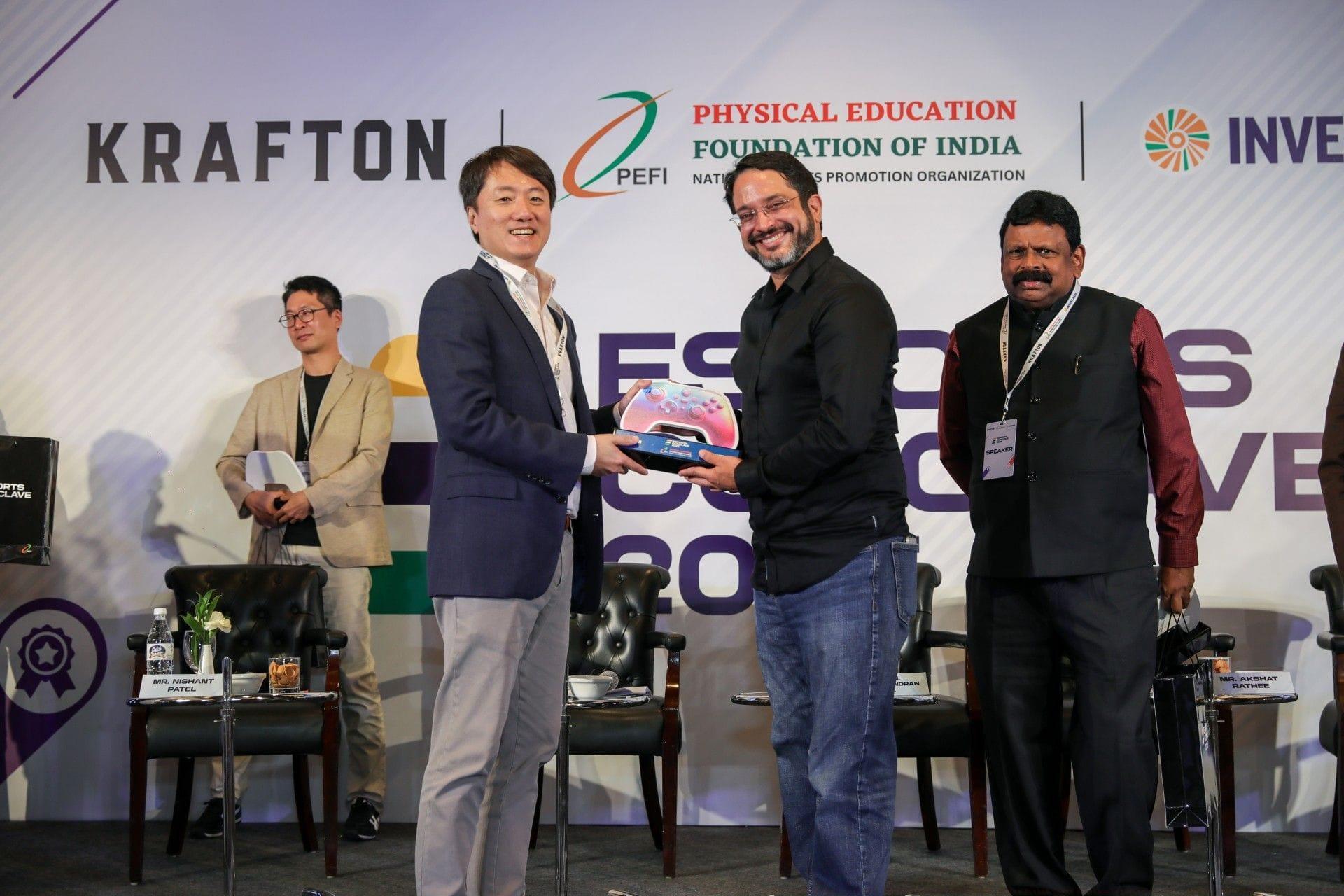
The announcement of the inaugural Olympic Esports Games scheduled for Riyadh in 2027 marks a watershed moment for competitive gaming worldwide. This historic recognition by the International Olympic Committee validates Esports as a legitimate sporting discipline, yet simultaneously prompts critical examination of India’s competitive readiness. The timing coincides with the Esports Conclave 2025, organized by the Physical Education Foundation of India (PEFI) in Delhi on April 1, 2025, with Krafton’s partnership through Nodwin Gaming and Invest India’s knowledge support.
India’s gaming talent pool demonstrates remarkable potential, consistently producing skilled competitors across multiple titles. However, the transition from potential to podium requires addressing systemic challenges that have historically constrained our athletes’ international performance. The gap between raw talent and medal-winning capability represents the central challenge facing Indian Esports development.
Infrastructure Gaps and Resource Challenges
Critical infrastructure deficiencies represent the primary barrier to India’s Esports advancement. Unlike traditional sports with established training facilities, Esports athletes face inconsistent access to high-performance gaming setups, reliable internet connectivity, and specialized coaching. The absence of standardized training protocols further compounds these challenges, creating unpredictable development pathways for aspiring professionals.
Government recognition remains inconsistent across states, with varying levels of institutional support and policy frameworks. Industry investments, while growing, still lag behind the ecosystem’s actual requirements for sustainable growth. This resource disparity becomes particularly evident when comparing India’s Esports infrastructure with leading nations like South Korea, China, and the United States, where integrated training systems produce consistent international results.
Practical infrastructure development should prioritize establishing regional high-performance centers equipped with cutting-edge technology, sports psychology support, and nutritional guidance. These facilities must accommodate diverse game genres and competitive requirements, serving as hubs for talent identification and development.
Akshat Rathee’s Expert Perspective
During the Esports Conclave panel discussions, Akshat Rathee provided crucial perspective on India’s competitive timeline. His extensive industry experience through Nodwin Gaming positions him uniquely to assess the realistic pathway toward Olympic success. Rathee emphasized that establishing comprehensive training infrastructure must precede medal projections or hosting ambitions.
His candid assessment projects India winning no more than one medal in the 2027 Olympic Esports Games, reflecting the current development stage of our competitive ecosystem. This projection stems from analyzing the training duration required for athletes to reach international standards, considering the existing support system limitations.
Common development mistakes include overestimating short-term results while underestimating the foundational work required. Organizations often prioritize tournament participation over sustained athlete development, creating cyclical performance issues. Successful ecosystems balance competitive opportunities with long-term skill building through structured progression pathways.
Building Sustainable Esports Ecosystem
School-level programs represent the fundamental building block for sustainable Esports growth. Introducing structured gaming education at early stages helps identify talent while instilling discipline, strategic thinking, and teamwork principles. These programs should integrate with academic curricula, ensuring balanced development that addresses parental and institutional concerns about gaming careers.
Hosting international Esports events requires coordinated effort across multiple stakeholders, including government agencies, private investors, educational institutions, and community organizations. Each group contributes unique resources and expertise, from policy frameworks and funding to technical knowledge and grassroots outreach.
The Esports Conclave 2025 served as an encouraging demonstration of stakeholder alignment, with insightful contributions from industry leaders shaping practical development strategies. This collaborative approach suggests India’s Esports future is progressing under knowledgeable guidance, though the journey toward international competitiveness remains substantial.
Also Read: “I think it will continue to grow”: Nodwin Gaming’s Co-founder Gautam Virk’s message to budding BGMI players (Exclusive)
No reproduction without permission:Tsp Game Club » Nodwin Gaming: “Try and win 10 medals in 2033”: Nodwin Gaming’s Co-founder Akshat Rathee drops truthbombs regarding India’s medal ambitions in Esports (Exclusive) Building India's Esports foundation: Why grassroots development must precede Olympic medal ambitions