
TL;DR
- Master Paragon selection with strategic passive abilities that dictate your entire gameplay approach
- Optimize energy banking decisions by evaluating card value versus immediate resource needs
- Time your assault status activation to maximize unit abilities and damage output
- Build synergistic decks that combine units, effects, relics, and upgrades effectively
- Develop turn sequencing strategies that outmaneuver opponents through optimal play order
This comprehensive guide provides everything you need to excel in Parallel’s strategic trading card game environment, from basic mechanics to advanced competitive techniques.
Parallel represents a sophisticated trading card game that blends deep strategic elements with dynamic gameplay systems. This master guide delivers actionable insights to elevate your performance and decision-making throughout every match.
Beginning your Parallel adventure presents you with a game board and a carefully constructed 40-card deck from your selected parallel faction, supplemented by Universal cards and your signature Paragon. Paragons maintain a unique position by remaining active on the sidelines rather than being included in your deck shuffle. They can deploy to the battlefield directly from this position, functioning as if held in hand, but possess restrictions against banking for energy generation or being discarded through conventional means. Mastering Paragon utilization forms the cornerstone of effective Parallel strategy development.
The game environment features five distinct parallel factions, each offering three specialized Paragon options with unique passive capabilities. Your deck construction and playstyle will be heavily influenced by your Paragon selection, as these persistent abilities remain active throughout the entire match duration. Understanding these passive effects and their interaction with your card collection represents the fundamental skill gap between novice and expert players.

Parallel organizes its gameplay around four distinct card categories: units, effects, relics, and upgrades. Unit cards represent characters or creatures that maintain battlefield presence until eliminated. Effect cards provide immediate one-time impacts when played. Relics deploy to the field with persistent abilities, while upgrades attach directly to units to enhance their capabilities.
Mastering card interaction dynamics separates competitive players from casual participants. For instance, specific cards gain “assault” status after you successfully damage the opposing player. Proper timing of these ability activations and strategic deployment can dramatically shift game outcomes in your favor. Understanding the nuanced relationships between card types enables sophisticated play patterns that overwhelm unprepared opponents.
Common Beginner Mistake: New players often misallocate resources by attaching upgrades to vulnerable units that become immediate removal targets. Instead, prioritize upgrading units with built-in protection or those that have already established battlefield value through previous turns.
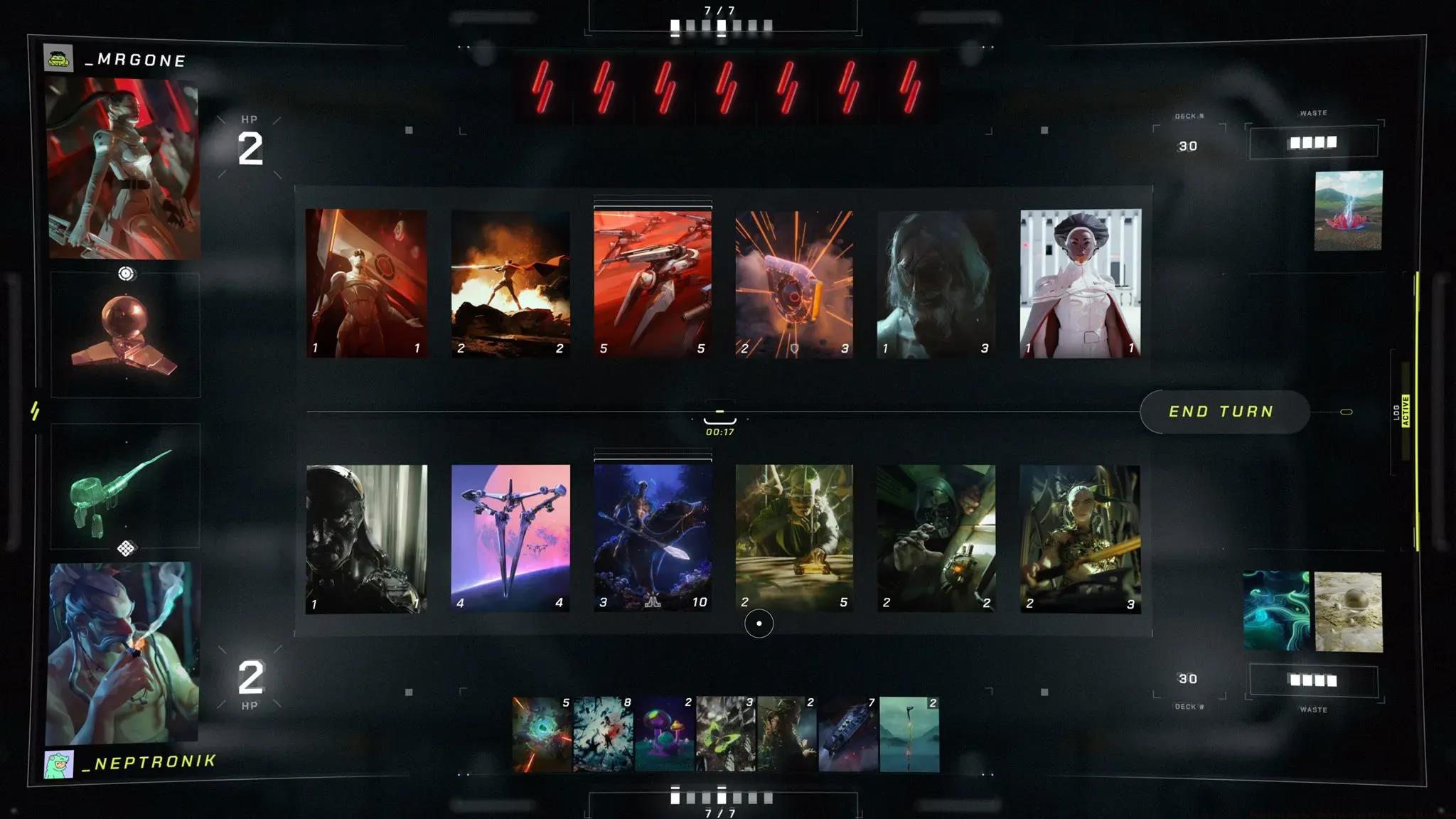
Resource management and turn sequencing form critical strategic components in Parallel. Each match begins with 30 health points and a 40-card deck requirement, with all cards originating from your chosen parallel or the universal card pool. Every turn initiation grants one card draw, after which you determine your own action sequence.
Unlike many trading card games, Parallel doesn’t dedicate specific cards to energy generation. Instead, you may bank one card per turn from your hand to produce one additional energy resource. Beginning with one energy per previously banked card establishes a scaling resource economy. Mastering energy management and strategic banking decisions represents perhaps the most technically demanding aspect of high-level Parallel gameplay.
Pro Tip: Bank low-cost units early game when their battlefield impact would be minimal, but preserve high-value effect cards for critical turns where their immediate impact can swing tempo. This resource allocation strategy maximizes both early game development and late game explosive potential.
Parallel incorporates numerous keywords and specialized abilities that dramatically influence match outcomes. Each keyword carries specific gameplay implications, and understanding their interactions with your cards and overall strategy proves essential for competitive success.
- Assault: This combat status activates upon dealing damage to your opponent. Certain cards feature assault abilities that only trigger or become active when assault status is achieved. For example, Unseen Commando gains +1/+1 statistics when assault is active, making it crucial to damage your opponent before attacking with this unit to maximize its combat effectiveness.
Advanced Technique: Create ability chains by sequencing assault activation before deploying units that benefit from the status. This simple reordering of plays can generate substantial tempo advantages and unexpected damage spikes that catch opponents off guard.
Beyond assault, Parallel features numerous other keywords including Shield, Overwhelm, and Draw mechanisms that create complex decision trees throughout each match. Learning to recognize optimal keyword sequencing separates proficient players from true masters of the game.
Advanced deck construction in Parallel requires understanding meta trends, counter-strategy development, and tournament preparation techniques. Your 40-card deck must synergize with your chosen Paragon’s passive ability while maintaining consistency across various matchups.
Deck Building Principles: Include approximately 12-15 units to maintain battlefield presence, 8-10 effect cards for tempo swings, 4-6 relics for persistent value, and 3-5 upgrades for unit enhancement. The remaining slots should focus on card draw or flexible responses to common strategies.
When preparing for competitive play, analyze the current meta through resources like our Complete Guide to understand popular strategies. Incorporate specific counters to dominant decks while maintaining your primary game plan. Testing against various archetypes using different Class Guide principles helps identify weaknesses in your construction.
Tournament success often hinges on sideboard preparation. Develop 10-15 card sideboard options that address specific matchup weaknesses while complementing your main deck strategy. Reference advanced Weapons Unlock tactics for understanding how to tech against popular strategies effectively.
Action Checklist
- Analyze all Paragon passive abilities and select one that complements your preferred playstyle
- Practice energy banking decisions with different card types to understand resource trade-offs
- Master assault timing by sequencing player damage before deploying assault-dependent units
- Build and test a balanced 40-card deck following optimal unit/effect/relic/upgrade ratios
- Develop a 10-card sideboard with specific counters to popular meta strategies
No reproduction without permission:Tsp Game Club » Parallel Guide: Starter Tips Before Your First Game Master Parallel TCG with advanced strategies, deck building tips, and energy management techniques