
An in-depth analysis of Persona 5: The Phantom X’s gameplay strengths and controversial monetization system in 2025
Introduction and First Impressions
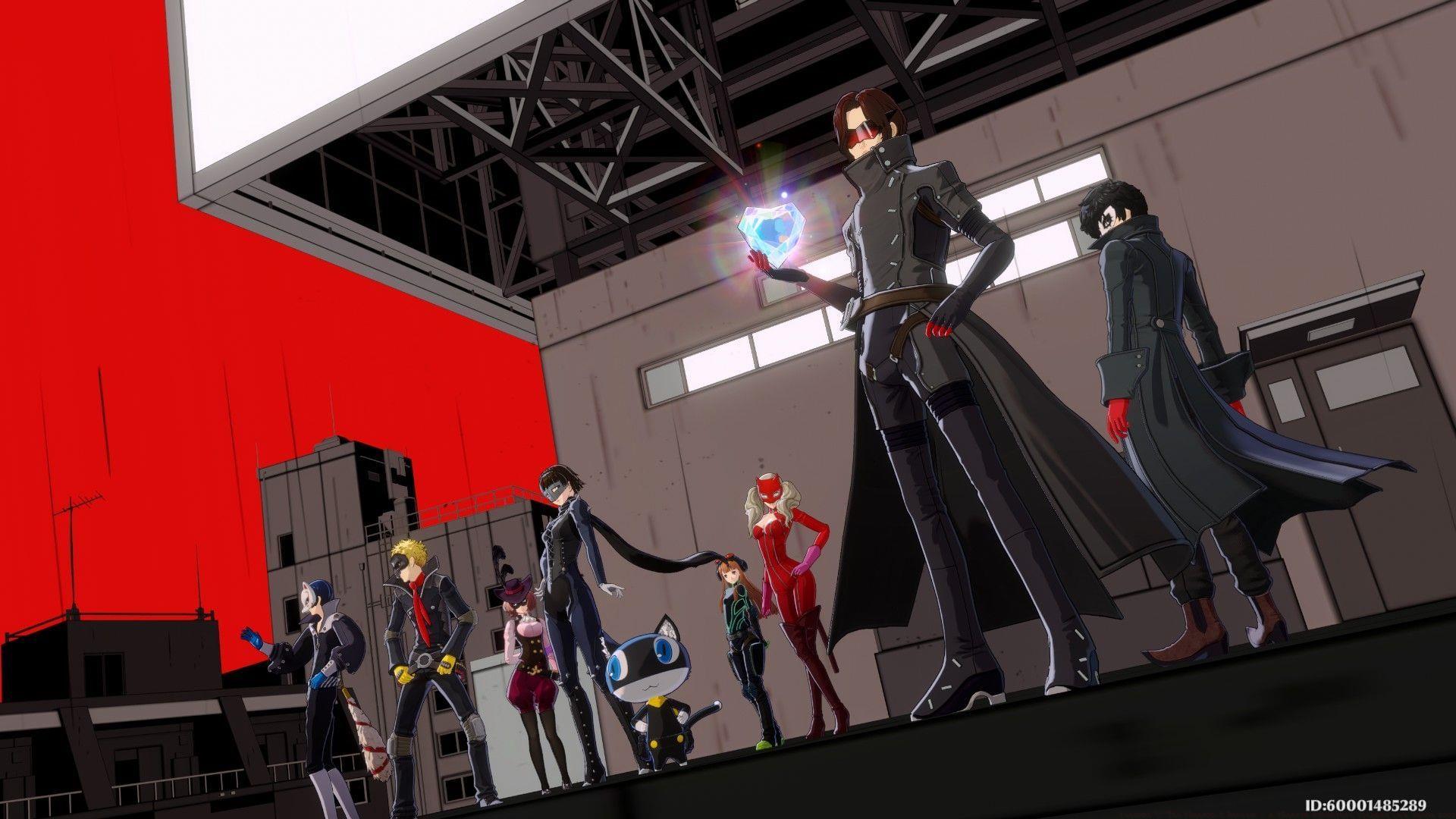
Having immersed myself in Persona 5: The Phantom X since its June 26, 2025 launch, I deliberately waited through the initial month to observe how the game evolved post-honeymoon period. This strategic delay proved invaluable as it revealed fundamental issues that often plague IP-based gacha titles. The transition from enthusiastic early adoption to critical assessment highlighted several concerning patterns that demand examination.
For players considering this mobile and PC adaptation of the beloved Persona franchise, understanding both its mechanical strengths and business model shortcomings becomes essential. The game represents a fascinating case study in how established franchises navigate the transition to free-to-play models while maintaining core identity.
Story Analysis: Hits and Misses
When evaluating any Persona installment, narrative quality remains the primary benchmark for most fans. ATLUS has built its reputation on crafting compelling stories, making this spin-off’s plot particularly scrutinized. While Phantom X doesn’t reach the narrative heights of Persona 5’s nuanced social commentary, it establishes a serviceable foundation that improves significantly beyond its initial arc.
The protagonist Wonder presents the first narrative stumbling block. Unlike Joker’s established struggles and character depth, Wonder emerges as an ordinary teenager abruptly thrust into Metaverse conflicts without compelling motivation. This lack of personal stakes diminishes player investment during critical early story moments.
Similarly, the inaugural antagonist Kiuchi (dubbed the Subway Slammer) fails to achieve the memorable villain status of Persona 5’s Suguru Kamoshida. The writing team missed opportunities to develop Kiuchi as a distinct character, instead creating what feels like a diluted version of established tropes with unconvincing motivations.
Fortunately, the narrative trajectory shows marked improvement beginning with the second Palace sequence. Community feedback and later story developments indicate the plot gains substantial momentum, offering a more engaging experience for players who persevere through the weaker opening chapters.
Story Pro Tip: Focus on building social links early as they provide crucial context that enhances the main narrative and reveals character motivations that the main story sometimes overlooks.
Gameplay Evolution and Enhancements
Persona 5: The Phantom X successfully translates the franchise’s signature gameplay loop into the gacha format while implementing several meaningful improvements. The familiar cycle of daily activities, dungeon exploration, and turn-based combat receives thoughtful adjustments that enhance both accessibility and depth.
The combat system retains Persona’s trademark strategic turn-based mechanics while introducing quality-of-life enhancements. The auto-battle functionality represents a significant upgrade over Persona 5 Royal, with party members now intelligently utilizing Persona skills and defensive maneuvers based on enemy weaknesses. This sophisticated automation reduces grind without completely removing player agency.
Navigation abilities have been streamlined for on-demand activation, providing greater tactical flexibility during encounters. My experience using Okkyaan as Navigator demonstrated how well-designed buffs can dramatically alter combat dynamics when paired with characters like Joker and Rin.
Exploration receives substantial upgrades through expanded Tokyo maps featuring new Wonder-related areas and improved transit between Shibuya Station and Central Street. Post-completion Palace access allows thorough collection of missed rewards and collectibles, addressing a common frustration from the original game.
The multi-reward challenge system stands out as an industry-leading feature that more gacha titles should adopt. This mechanic permits players to claim multiple completion rewards from a single successful stage attempt, significantly reducing repetitive farming requirements.
Advanced Combat Strategy: Master the timing of Navigator ability activation to stack buffs during enemy weakness phases for maximum damage output. This technique becomes crucial for overcoming later-game challenge content.
Audio-Visual Presentation
The audio presentation deserves significant praise despite heavy reliance on Persona 5’s established soundtrack library. BlackWings Audio’s collaboration with Ryota Kozuka produces electrifying jazz compositions that perfectly capture the franchise’s distinctive musical identity. These new tracks seamlessly integrate with classic melodies while introducing fresh energy to the Phantom X experience.
Vocal performances, particularly Lyn’s contributions, maintain the series’ high standards for vocal track excellence. Her delivery adds emotional weight to key narrative moments and reinforces the game’s atmospheric cohesion.
Visually, Phantom X builds upon Persona 5’s iconic aesthetic with noticeable technical improvements. Enhanced reflection effects and meticulously detailed rain-soaked Tokyo streets demonstrate the developers’ commitment to visual polish. The artistic direction successfully balances nostalgic visual language with next-generation enhancements.
Performance optimization generally impresses, particularly considering the title’s mobile origins. Occasional frame rate inconsistencies occur but remain within acceptable parameters given the visual fidelity achieved across both PC and mobile platforms.
However, the user interface presents a significant regression from Persona 5’s acclaimed design. The transition to mobile-optimized HUD results in cluttered screen space dominated by persistent icons and menus. This interface overcrowding detracts from the otherwise polished presentation and represents a notable step backward in user experience design.
Performance Optimization: On PC, adjust shadow quality and reflection settings for the best balance between visual fidelity and stable frame rates, as these settings have the greatest performance impact.
Monetization and Global Version Concerns
The monetization approach represents Phantom X’s most controversial aspect, particularly in global releases. The banner system leans toward predatory practices compared to contemporary gacha standards. While the industry gradually shifts toward 100% character guarantees for debut limited units (as seen in titles like Neverness to Everness and Duet Night Abyss), Phantom X maintains an outdated 50-50 system without soft pity mechanisms.
The absence of soft pity compounds player frustration, as evidenced by numerous accounts requiring full 80-pull commitments for 5-star acquisitions. This system forces potential 160-pull scenarios when losing the initial 50-50 coin toss, creating excessive financial barriers compared to competitor titles.
Global version discrepancies exacerbate these concerns. The removal of the guaranteed 110-pull banner available in Asian servers, combined with reduced maintenance compensation (100 gems versus 300 in Asian versions), creates perception of regional discrimination. These differences feel particularly unjustified given the accelerated content schedule imposed on global players.
Intrusive advertising represents another significant annoyance. Constant promotional pop-ups appearing during transitions between Metaverse and real-world locations disrupt immersion and reflect poorly on a premium IP. This aggressive marketing within a paid-game ecosystem contradicts player expectations for established franchises.
Version 1.1 controversies have severely damaged player trust through reward restructuring that replaced character banner currency with weapon banner alternatives and removed previously available free rewards. The development team’s delayed response to community backlash has amplified frustration, leading to review bombing on platforms like Steam and the Play Store.
Resource Management Tip: Prioritize saving currency for limited banners featuring meta-defining characters rather than spending on standard banners, as the limited units typically offer greater long-term value.
Common Mistake to Avoid: Don’t immediately spend all resources on each new banner—wait for community analysis of character viability to make informed pulling decisions.
Final Verdict and Recommendations
Given the current state following Version 1.1’s controversial changes, I cannot recommend Persona 5: The Phantom X to most players. The combination of aggressive monetization, reduced global rewards, and poor communication creates too many barriers for enjoyment despite the solid foundational gameplay.
For series newcomers, Persona 3 Reload or Persona 5 Royal provide superior entry points that showcase the franchise’s strengths without predatory monetization concerns. These titles offer complete experiences that better represent why Persona remains a beloved JRPG franchise.
Existing fans may find temporary enjoyment in Phantom X’s gameplay innovations and expanded world, but should approach with caution until developer SEGA addresses ongoing issues. The potential for redemption exists if Version 1.2 implements meaningful changes based on community feedback.
The core gameplay experience demonstrates genuine quality, with combat refinements and exploration enhancements that honor the Persona legacy. However, the current business model undermines these strengths through practices that feel out of sync with modern gacha standards and player expectations.
Future success hinges on SEGA’s willingness to rebuild player trust through transparent communication and fair reward structures. The upcoming 1.2 livestream represents a critical opportunity for course correction that could potentially salvage the global version’s reputation.
Reviewed on: PC (Build provided by Sega)
Platforms: PC and Mobile
Developer: BlackWings Game Studio, ATLUS
Release Date: June 26, 2025
No reproduction without permission:Tsp Game Club » Persona 5: The Phantom X Review – A Phantom Adventure Trapped in a Gacha Loop An in-depth analysis of Persona 5: The Phantom X's gameplay strengths and controversial monetization system in 2025