
Complete guide to PMGC 2025 Group Stage format, teams, dates and strategic tournament insights
Tournament Overview and Format
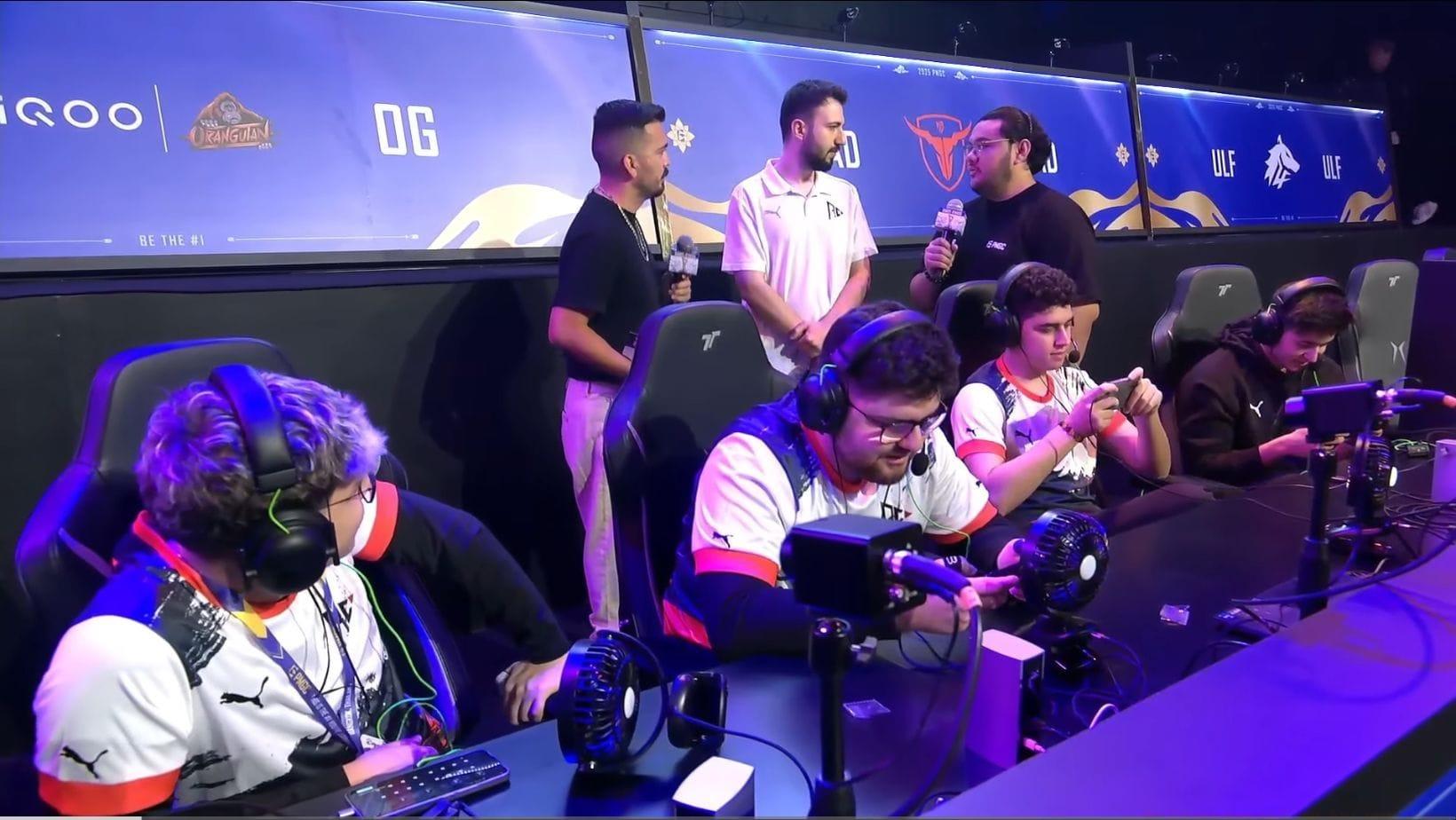
The PUBG Mobile Global Championship 2025 Group Stage represents the crucial middle phase of the world’s premier mobile esports competition, spanning from November 28 through December 4. This intensive week-long tournament brings together 32 elite squads battling for limited advancement slots to the prestigious Grand Finals. The qualification pathway blends teams from multiple tiers – including nine squads progressing from the Gauntlet Stage alongside 23 regional champions and high-performers from various continental competitions.
The tournament structure creates multiple pressure points where teams must maintain consistent performance across different match types and against varied regional playstyles. Understanding the qualification pathways becomes essential for appreciating team strategies and predicting potential upsets throughout the competition timeline.
Group Stage Format and Structure
The competitive framework divides the 32 participating organizations into two balanced groups of 16 teams each. Every squad competes in 18 intense matches distributed evenly across three consecutive competition days within their respective groups. The advancement mechanics create clear stratification – the top three performing teams from each group secure direct qualification to the Grand Finals, bypassing additional qualification hurdles.
Teams finishing between fourth and eleventh position in each group enter the Last Chance stage, providing a secondary opportunity to continue their championship journey. However, the bottom five squads from each group face immediate tournament elimination, ending their PMGC 2025 campaign at this critical juncture. This structure ensures only the most consistent and adaptable teams progress to the final championship phase.
Group Green – November 28 to 30, 2025
The match scheduling employs a concentrated format where teams must demonstrate adaptability across multiple game sessions without extended recovery periods. This tests not only individual skill but also team endurance and strategic flexibility throughout the group stage duration.
Team Analysis and Regional Representation
Defending champion Dplus from South Korea commences their title defense campaign on November 28, entering the Group Stage through regional qualification. The Korean powerhouse brings extensive international experience and strategic depth to Group Green. They’re joined by Japan’s Reject gaming, known for aggressive early-game tactics, and China’s Tianba squad, celebrated for their methodical late-game positioning and zone control expertise.
True Rippers represents India’s competitive hopes, having secured their Group Stage position through a strong second-place finish at the BGMI International Cup 2025 under Jelly’s leadership. The Indian squad brings distinctive rotation strategies and unpredictable engagement patterns that often challenge conventional team tactics. Their placement in Group Red creates interesting regional dynamics and stylistic contrasts against other competing teams.
The regional distribution showcases PUBG Mobile’s global reach with teams from Southeast Asia, Europe, Americas, and Middle East regions creating a diverse competitive landscape. Each region contributes unique playstyles – from the methodical European approach to the aggressive Southeast Asian tactics – ensuring varied match dynamics throughout the group stage.
Strategic Tournament Insights
Successful viewership of the Group Stage requires understanding key performance indicators beyond simple placement statistics. Focus on teams demonstrating consistent early-game survival rates, efficient loot distribution strategies, and adaptable rotation patterns based on zone predictions. These underlying metrics often predict long-term tournament success more accurately than individual match victories.
Common strategic pitfalls include over-committing to early fights, poor resource management during mid-game phases, and inflexible late-game positioning. Teams that maintain discipline across all match phases typically outperform squads relying on sporadic aggressive plays. Watch for organizations that demonstrate calculated risk assessment and efficient communication during high-pressure situations.
Advanced analytical approaches should monitor team adaptation between matches, observing how squads adjust strategies based on previous performances and opponent tendencies. The most successful competitors demonstrate learning capacity and tactical evolution throughout the three-day group stage format.
No reproduction without permission:Tsp Game Club » PMGC 2025 Group Stage: All 32 teams, dates, groups, and format Complete guide to PMGC 2025 Group Stage format, teams, dates and strategic tournament insights