
TL;DR
- Mega Zygarde dominates with 778 BST and dual 216 HP/SpA stats, activating at 50% health
- Focus on Megas gaining new typings or massive stat redistributions for maximum advantage
- Team synergy and coverage planning are crucial for optimizing Mega Evolution effectiveness
- Consider both immediate battle impact and long-term team building when selecting Megas
- Advanced players should prioritize typing combinations that counter current meta threats
Master Pokémon Legends Z-A with our comprehensive Mega Evolution tier list that evaluates all 67 forms through multiple performance dimensions including raw power, strategic utility, and battle effectiveness across different game modes.
Pokémon Legends Z-A transforms the Mega Evolution mechanic with 67 distinct transformations, featuring 26 completely new forms that dramatically alter competitive dynamics. Whether progressing through the main story or constructing elite competitive teams, mastering which Mega Evolutions control the battlefield becomes essential for success in the Kalos region adventure.
When evaluating Mega Evolutions in Pokémon Legends Z-A, multiple critical factors determine true combat dominance. Base statistics provide only partial insight, as type effectiveness synergy, move pool diversity, and tactical flexibility distinguish top-tier contenders from average performers.
S-Tier classification demands exceptional base stat totals exceeding 650 points, revolutionary type combinations, and immediate combat influence. These dominant transformations can individually reverse battle momentum in any encounter scenario.
Prioritize Mega Evolutions that acquire new type attributes or experience substantial stat reallocations – these typically deliver the most significant strategic benefits compared to their base form counterparts.
Pokémon Legends Z-A Mega Evolution Tier List: Best Megas Ranked
Boasting an unprecedented 778 base stat total with dual 216 ratings in both HP and Special Attack, Mega Zygarde operates in a league of its own. This Dragon/Ground colossal creature activates exclusively when standard Zygarde falls to 50% health threshold, metamorphosing into an unstoppable force capable of one-hit KOing nearly any opponent.
Featuring 700 base statistics, Mega Dragonite evolves into a formidable special attacker while preserving remarkable defensive durability. Its 145 Special Attack combined with 125 Special Defense establishes it as both an offensive threat and defensive anchor.
Mega Chandelure possesses the highest Special Attack stat among non-legendary Mega Evolutions at 175, establishing it as a catastrophic Ghost/Fire sweeper. Its enhanced bulk (110 Defense/Special Defense) enables survival against incoming attacks while delivering enormous damage output.
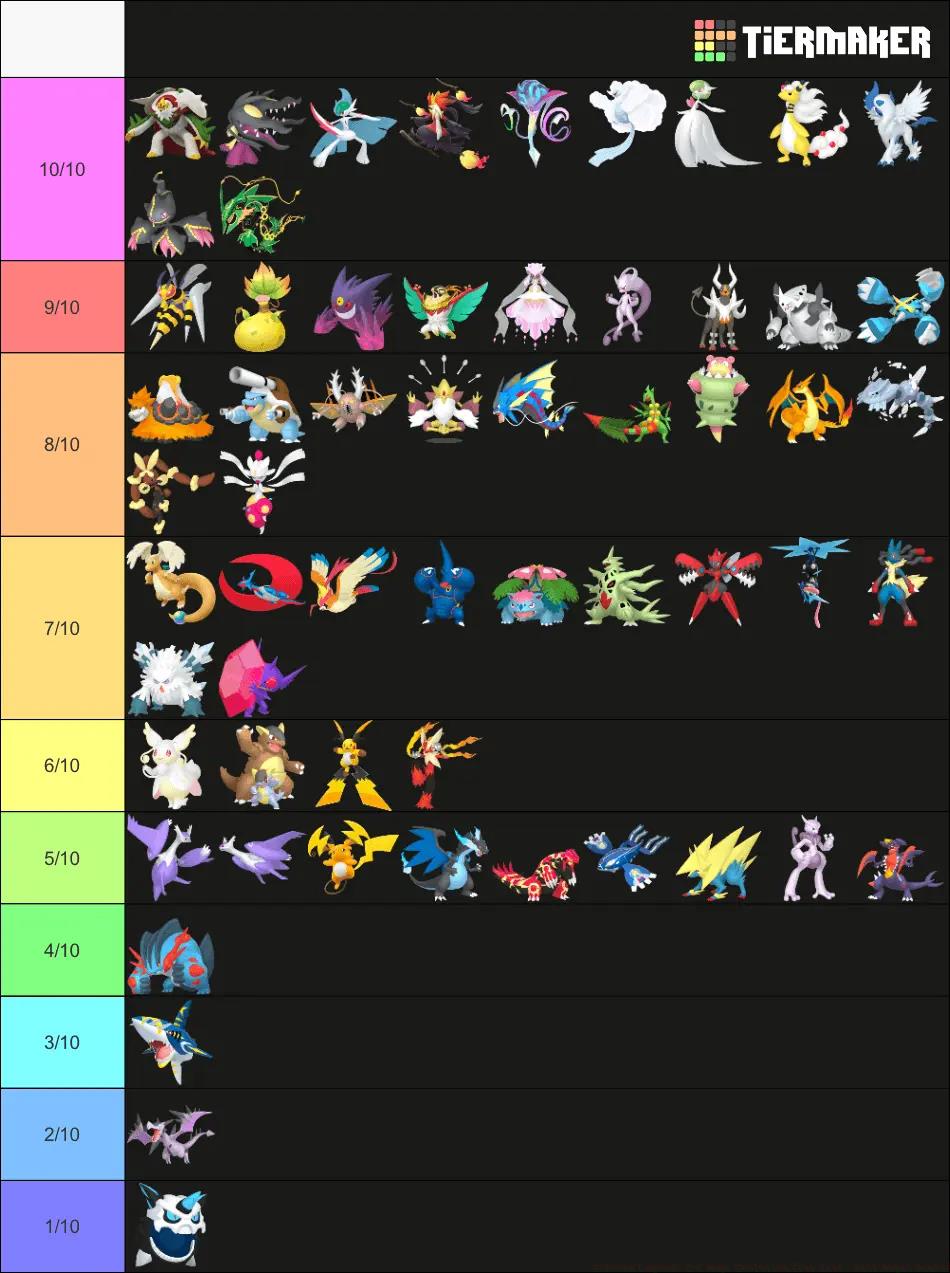
Advanced S-Tier Strategy: These Megas require specific activation conditions and team support. Mega Zygarde’s health-triggered transformation demands careful HP management, while Mega Chandelure benefits from speed control support to maximize its sweeping potential. Always consider your team’s ability to facilitate these powerhouses before commitment.
Common Mistake: Players often deploy S-Tier Megas without proper setup, leaving them vulnerable to priority moves or unexpected counters. Ensure you have countermeasures for common checks like Ice-type attacks against Dragonite or Dark-types against Chandelure.
A-Tier Mega Evolutions deliver exceptional performance with slightly more manageable requirements than S-Tier options. These transformations typically feature base stat totals between 600-680 with specialized stat distributions that excel in specific roles.

Key A-Tier Characteristics: Consistent damage output, reliable bulk, and valuable typing combinations define this tier. While they may not single-handedly win battles like S-Tier options, they provide more flexible team building options and easier activation conditions.
Strategic Advantage: A-Tier Megas often feature improved speed tiers that allow them to outpace key threats without requiring team support. Their more balanced stat spreads make them less vulnerable to specific counter strategies.
Team Building Tip: Pair A-Tier Megas with complementary typings that cover their weaknesses. For example, Water-type A-Tier Megas benefit greatly from Grass or Electric partners to handle their Electric and Grass vulnerabilities respectively.
B-Tier Mega Evolutions serve as reliable specialists with defined battlefield functions. These transformations typically excel in specific scenarios or against particular team compositions but lack the versatility of higher-tier options.
Role Specialization: Common B-Tier roles include weather setters, hazard controllers, specific type counters, or dedicated walls. Their value comes from consistently performing their designated function rather than flexible battle impact.
Usage Consideration: Deploy B-Tier Megas when your team strategy revolves around their specific capability. For example, a rain team benefits tremendously from a Water-type B-Tier Mega with Swift Swim, while a stall team values defensive B-Tier Megas with recovery options.
Limitation Awareness: These Megas struggle outside their specialized roles and can become liability against teams designed to counter their specific function. Always have backup plans when your B-Tier Mega’s primary role gets neutralized.
C-Tier Mega Evolutions possess niche applications that can prove valuable in specific matchups or against particular meta trends. While generally outclassed by higher-tier options, they retain viability when their specific strengths align with battle conditions.
Niche Application Examples: These include Megas with unusual type combinations that hard counter specific popular threats, or those with unique abilities that shut down particular strategies. Their value fluctuates significantly with meta shifts.
Deployment Strategy: Use C-Tier Megas as surprise picks against expected team compositions. Their unexpected nature can catch opponents off-guard, but this advantage diminishes once revealed.
Risk Assessment: C-Tier choices carry higher risk as they may become dead weight against teams that don’t trigger their niche value. Consider them as specialized tools rather than core team components.
D-Tier represents Mega Evolutions with severely limited competitive applications. These transformations typically suffer from poor stat distributions, detrimental typing combinations, or abilities that don’t justify the Mega Evolution opportunity cost.
Common D-Tier Issues: Overlapping weaknesses with common meta threats, insufficient stat improvements over base forms, or abilities that provide minimal battle impact characterize this tier.
Usage Consideration: D-Tier Megas should generally be avoided in serious team building, though they may have value for specific challenge runs or casual play. Their limited viability makes them unreliable for consistent performance.
Alternative Recommendations: For every D-Tier Mega, typically exists a higher-tier option that performs similar functions more effectively. Research these alternatives before committing to D-Tier selections.

Constructing effective teams around Mega Evolutions requires careful planning and synergy optimization. The best Mega Evolution choices complement your team’s overall strategy rather than simply selecting the highest-tier option available.
Synergy Optimization: Analyze how your Mega Evolution interacts with other team members. Consider type coverage, speed control capabilities, and role distribution. A well-balanced team features complementary strengths that cover individual weaknesses.
Coverage Planning: Ensure your team can handle common threats to your chosen Mega. If selecting a Dragon-type Mega, include Fairy or Ice counters to handle opposing Dragon-types that might threaten your centerpiece.
Meta Adaptation: Stay informed about popular team compositions and adjust your Mega choice accordingly. Sometimes a lower-tier Mega that counters common meta threats provides more value than a higher-tier option that struggles against popular teams.
For comprehensive team building guidance, consult our Class Guide which details optimal character combinations and role distributions.
Selecting the ideal Mega Evolution involves balancing multiple factors including your playstyle preferences, team composition needs, and progression stage in Pokémon Legends Z-A.
Playstyle Considerations: Aggressive players benefit from fast, powerful sweepers like Mega Chandelure, while defensive players may prefer bulky options like Mega Dragonite. Match your Mega choice to your natural battle approach.
Team Composition Analysis: Evaluate what your team lacks and select a Mega that fills that gap. If your team struggles with special walls, choose a Mega with exceptional special attack. If speed is an issue, prioritize fast Megas.
Progression Planning: Early-game Mega choices should prioritize reliability and ease of use, while end-game selections can focus on specialized counters for specific challenges. Consider how your Mega needs evolve throughout your adventure.
For additional strategic insights and weapon optimization, explore our Weapons Unlock guide which provides detailed equipment analysis.
Mastering Mega Evolution selection requires practice and adaptation. Begin with our Complete Guide to build foundational knowledge before specializing in specific Mega strategies.
Action Checklist
- Analyze your team’s weaknesses and select a Mega that provides complementary coverage
- Test Mega activation timing in battle scenarios to optimize transformation moments
- Research current meta threats and adjust Mega selection to counter popular team compositions
- Practice with chosen Mega in various battle conditions to master its specific mechanics
- Review and adjust team composition based on Mega performance and identified gaps
No reproduction without permission:Tsp Game Club » Pokemon Legends Z-A Mega Evolution Tier List: Best Megas Ranked Master Pokémon Legends Z-A with our complete Mega Evolution tier list ranking all 67 forms by power, utility, and battle effectiveness