
TL;DR
- Prioritize multi-harvest crops like strawberries and tomatoes for continuous income streams
- Implement vertical stacking for small crops and create dedicated zones for large plants like dragonfruit
- Actively farm during rain for 50% Wet mutation chance and accelerated growth rates
- Use sprinklers strategically to reduce manual watering time by up to 70%
- Complete daily quests for bonus currency and leverage friend visits for harvesting assistance
While Grow a Garden presents as straightforward agricultural simulation on Roblox, mastering its economic systems separates casual players from profitable gardeners. The game’s crop mechanics follow distinct patterns that, when understood, can dramatically accelerate your progression from seed-saver to farming tycoon.
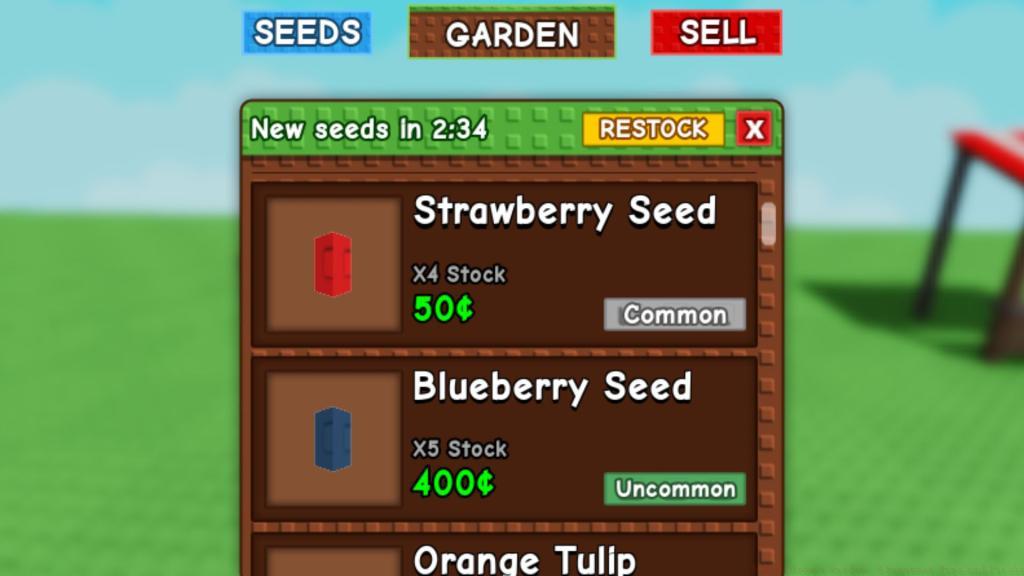
Grow a Garden operates with two primary harvest systems that dictate your farming efficiency. Single-harvest crops provide one-time yields requiring constant replanting, while multi-harvest varieties continue producing after initial maturation. This fundamental distinction impacts everything from time investment to long-term profitability.
New gardeners should begin with carrot cultivation as their foundation. Purchase initial seeds from the Seed Shop, establish planting patterns in available plots, then systematically convert harvests into revenue. This repetitive cycle builds the capital necessary for advanced agricultural operations.
Once financial stability reaches approximately 500 in-game currency, transition exclusively to perpetual-yield plants including strawberries, tomatoes, blueberries, and corn. These selections eliminate constant replanting duties, allowing focus on expansion and optimization rather than maintenance.
The Seed Shop implements strategic restocking every 300 seconds. Remain alert for the distinctive notification sound signaling new inventory arrivals. This auditory cue enables acquisition of rare seeds that typically offer superior profit margins compared to standard varieties.
Initial gameplay provides ample planting territory, but advanced cultivation demands sophisticated spatial organization. Inexperienced gardeners often underestimate how quickly premium crops consume available real estate, leading to inefficient layouts that hamper productivity.
Implement vertical farming principles by layering compact multi-harvest specimens in stacked configurations. This approach maximizes yield per square unit while preserving territory for larger botanical investments.
Recognize that substantial plants including blueberries, coconut palms, and dragonfruit trees require significant growing areas. Designate separate cultivation zones for these space-intensive varieties, clustering smaller specimens in high-density arrangements elsewhere.
A common mistake involves mixing size categories without proper zoning, resulting in inaccessible plants and harvesting difficulties. Establish clear pathways between planting sections to maintain efficient collection routes during intensive farming sessions.
For optimal efficiency, categorize crops by three size tiers: compact (strawberries, tomatoes), medium (corn, peppers), and expansive (blueberries, dragonfruit). This classification system enables predictable expansion planning and prevents overcrowding issues that plague disorganized gardens.
Grow a Garden’s dynamic weather system introduces crucial variables that separate passive from active farming strategies. Understanding meteorological patterns transforms environmental conditions from obstacles into profit-generating opportunities.
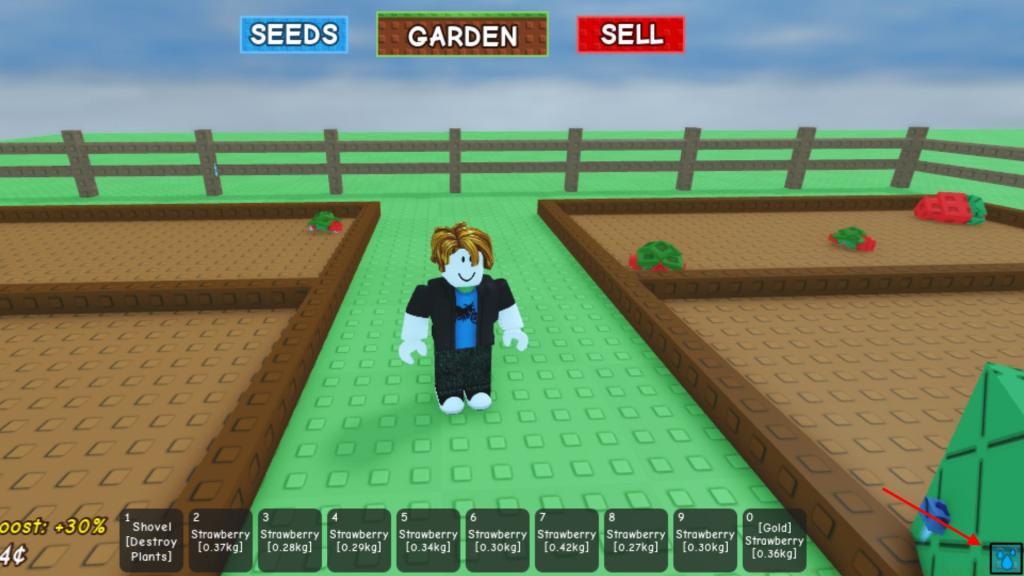
The game features three distinct atmospheric conditions with varying frequencies and effects. Sunny weather represents the baseline state with standard growth patterns, while precipitation events trigger accelerated development cycles. Thunderstorms remain the rarest occurrence but offer exceptional mutation potential.
When rainfall begins, immediately activate intensive harvesting protocols. Collect mature crops rapidly, process them through sales mechanisms, and repeat continuously throughout the storm’s duration. This aggressive approach leverages the accelerated growth rates activated by moist conditions.

Precipitation provides dual benefits: dramatically increased growth velocity and a confirmed 50% probability for plants to develop the Wet mutation. Thunderstorms potentially apply the more valuable Shocked mutation. Both variants substantially increase market value, making weather events prime profit-generation windows.
Advanced players monitor weather patterns strategically, preparing harvest-ready plants before storms arrive. This preparation maximizes mutation acquisition during limited-duration weather events. Position high-value crops in accessible locations to facilitate rapid collection when conditions change.
Beyond core farming mechanics, Grow a Garden incorporates supplementary systems that dramatically influence productivity. Understanding these elements enables comprehensive optimization beyond basic plant cultivation.
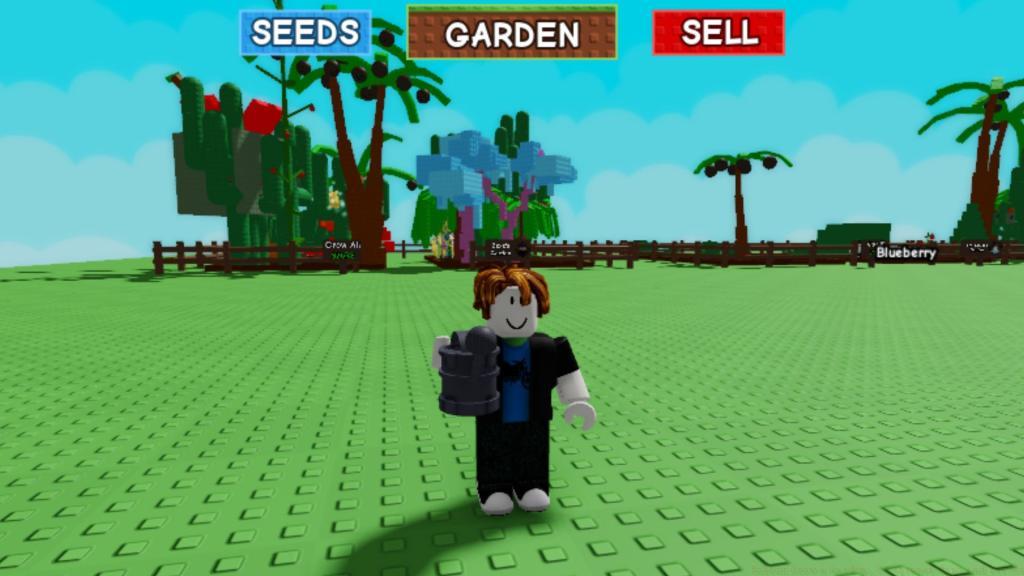
Sprinkler systems represent significant investments but provide exceptional time-saving benefits. These automated watering devices can reduce manual hydration tasks by approximately 70%, freeing attention for higher-value activities like mutation farming and space optimization.
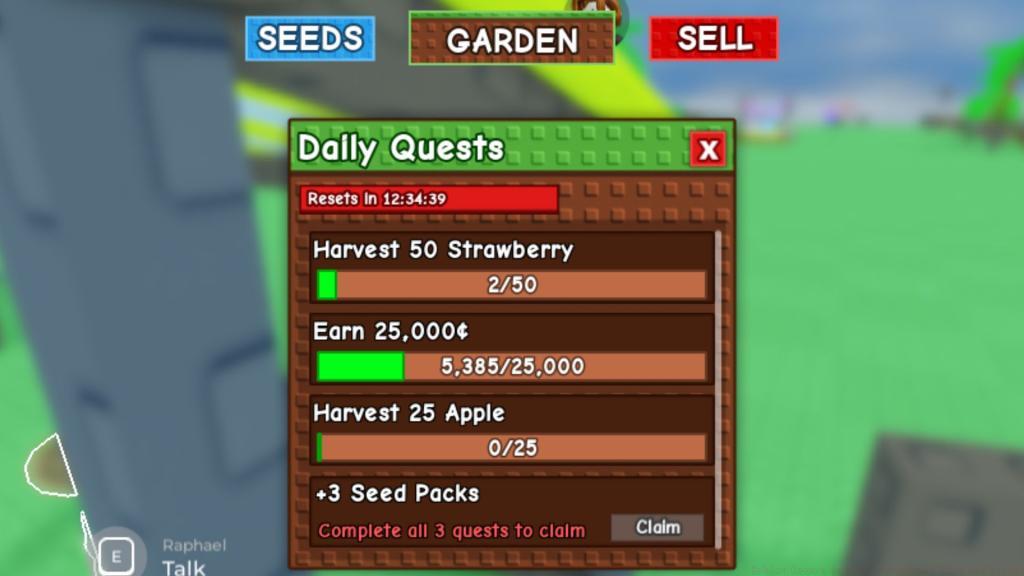
Daily quests offer structured objectives with guaranteed rewards. These tasks typically involve specific crop cultivation targets or sales milestones. Regular completion accelerates currency accumulation beyond standard farming operations.
Social gardening through friend invitations creates collaborative opportunities. Visiting players can assist with harvesting tasks, effectively multiplying collection efficiency during critical growth periods. This cooperative approach proves particularly valuable during weather events when harvesting speed directly correlates with profit generation.
For rapid harvesting implementation, position high-yield crops near your spawn point. This strategic placement minimizes travel time between collection and sales locations, optimizing profit-per-minute metrics. Like mastering complex game systems in our Complete Guide, mastering Grow a Garden’s systems requires understanding both individual mechanics and their synergistic relationships.
Action Checklist
- Start with carrot farming to build initial capital, then transition to multi-harvest crops
- Implement vertical stacking for strawberries and tomatoes, reserving separate zones for large plants
- Monitor weather patterns and activate intensive harvesting during rain for mutation farming
- Purchase sprinkler systems to automate watering and focus on high-value activities
- Complete daily quests and invite friends for cooperative harvesting benefits
No reproduction without permission:Tsp Game Club » Roblox Grow a Garden: 8 Beginner Tips and Tricks Master Grow a Garden with expert crop strategies, weather optimization, and space management techniques