
Controller vs keyboard and mouse: Expert analysis for Where Winds Meet combat optimization and gameplay experience
Introduction to Where Winds Meet Input Options
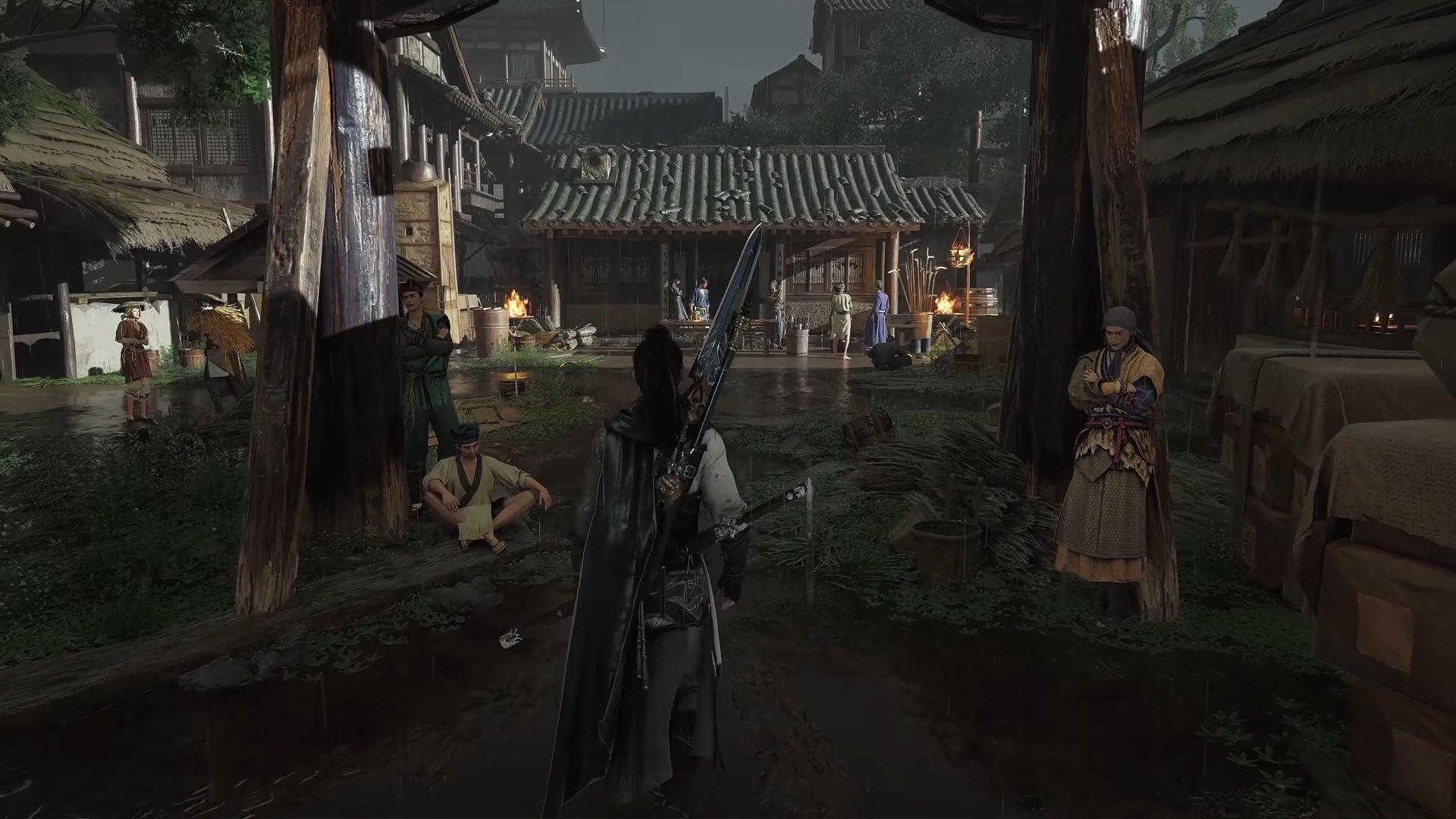
Where Winds Meet represents an ambitious wuxia-themed action RPG that demands exceptional reflexes and sophisticated multitasking capabilities from players. The martial arts combat system requires precise timing, rapid weapon transitions, and complex ability sequences that make input device selection crucial for optimal performance. Your choice between controller or keyboard and mouse directly influences combat effectiveness, skill execution consistency, and overall immersion in this demanding martial arts world.
The game’s intricate combat mechanics involve simultaneous management of multiple weapon types, defensive maneuvers, and special abilities that benefit from well-designed control schemes. Understanding how each input method handles these requirements can dramatically improve your gameplay experience and combat proficiency.
Controller Advantages and Gameplay Benefits
Game controllers deliver exceptional ergonomic advantages for Where Winds Meet’s demanding combat scenarios. The symmetrical button layout and analog input capabilities create an intuitive environment for executing complex martial arts sequences without excessive cognitive load.
Advanced Controller Benefits: Experienced players appreciate the haptic feedback features that provide tactile combat cues, motion-assisted aiming for certain abilities, and the seamless integration of multiple combat systems through intuitive button combinations. The learning curve for controller mastery is generally shorter, allowing players to focus on combat strategy rather than control complexity.
Keyboard and Mouse Strengths and Limitations
Keyboard and mouse configurations offer distinct advantages for precision-oriented combat scenarios but present significant challenges for Where Winds Meet’s complex control requirements. The separation of movement and combat functions requires sophisticated coordination and customization.
Common Keyboard Challenges: New players often struggle with the uneven task distribution between hands, frequently resulting in delayed parry responses, mis-timed ability activations, and inefficient weapon switching during intense combat sequences. The default keybindings may not optimally accommodate the game’s complex control requirements without significant customization.
Comparative Analysis and Recommendations
For the majority of players exploring the martial arts world of Where Winds Meet, controllers represent the superior input option due to their balanced ergonomic design and intuitive control distribution. The integrated nature of controller gameplay reduces cognitive load during complex combat sequences, allowing better focus on strategic decision-making and environmental awareness.
Keyboard and mouse configurations demand substantial customization and practice to achieve comparable performance levels, making them better suited for experienced PC gamers comfortable with complex control schemes. The precision advantages of mouse aiming must be weighed against the coordination challenges of managing multiple keyboard functions simultaneously.
Player Scenario Recommendations:
Advanced Input Optimization Strategies
Regardless of your chosen input method, optimizing your control scheme significantly enhances Where Winds Meet gameplay performance. These advanced strategies help maximize your combat effectiveness and reduce input-related errors.
Controller Optimization Techniques:
Keyboard and Mouse Configuration Tips:
Common Input Mistakes to Avoid:
No reproduction without permission:Tsp Game Club » Should you play Where Winds Meet with controller or keyboard and mouse? Controller vs keyboard and mouse: Expert analysis for Where Winds Meet combat optimization and gameplay experience