
Expert guide to mastering Super Robot Wars Y’s tactical combat and roster management strategies
Game Overview and Franchise Evolution
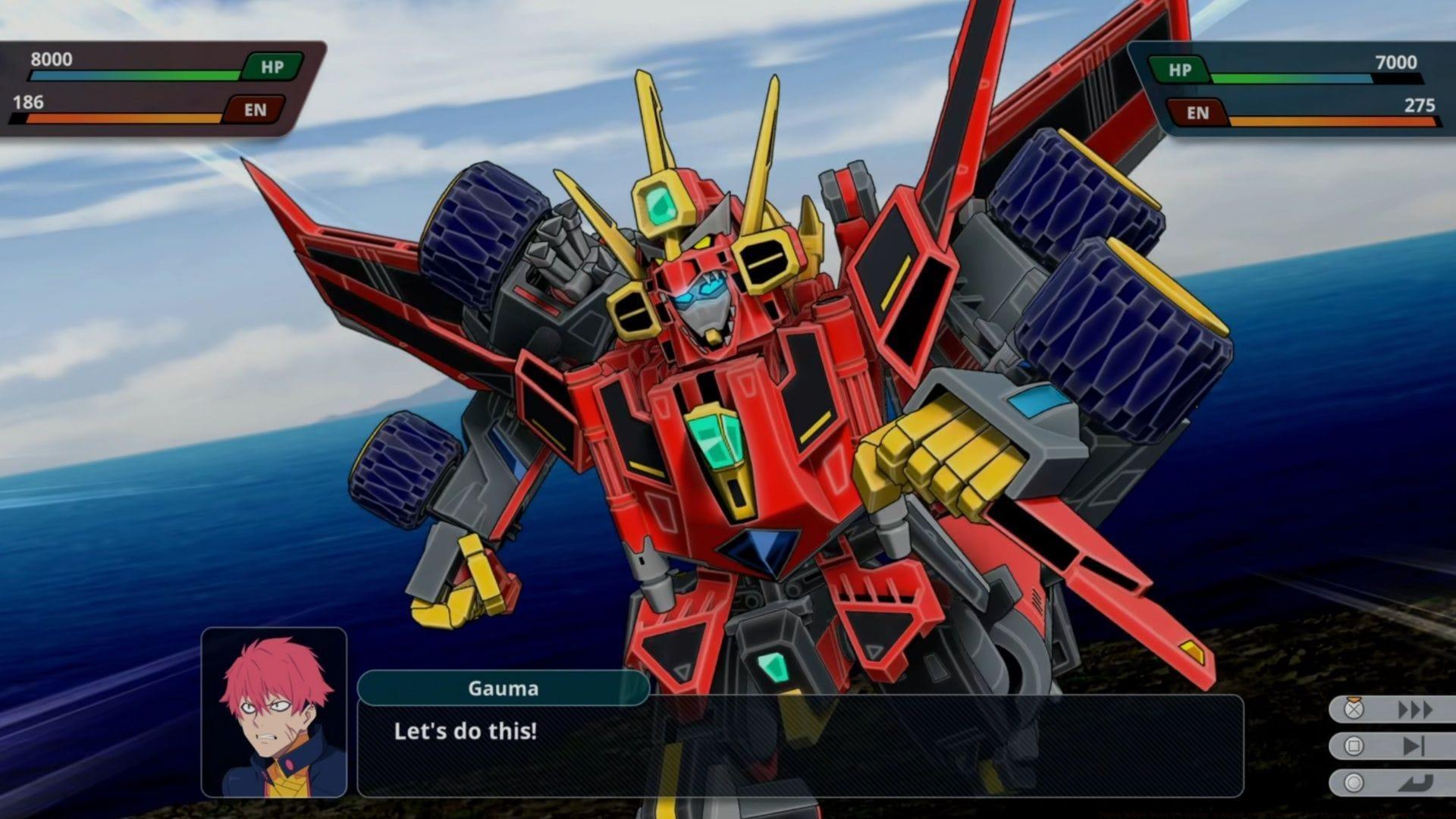
Super Robot Wars Y carries forward the esteemed legacy of tactical mecha combat that originated on the Game Boy in 1991. Western audiences experienced significant delays before receiving localized versions, initially limited to Original Generation titles rather than the crossover experiences featuring iconic series like Big O fighting alongside Sinanju or Combattler V that fans truly desired.
Following its March 2025 announcement, Super Robot Wars Y has finally launched as a content-rich, extensive tactical experience. As a veteran series enthusiast with early access, I appreciated the opportunity to thoroughly explore its depth rather than rushing completion. The franchise’s arrival in Western markets represents a milestone achievement for dedicated followers.
For newcomers, Super Robot Wars Y delivers turn-based strategic combat featuring legendary mecha franchises spanning five decades. Players assemble squads comprising heroic mobile suits and mechanized units to confront adversaries from their respective source materials alongside original antagonists. This demanding yet rewarding gameplay loop offers tremendous appeal for anime and mecha enthusiasts.
The narrative structure demonstrates marked improvement over predecessors, with character interactions and storyline progression feeling more cohesive and impactful. While the initial pacing requires patience, the payoff delivers substantial satisfaction once the plot gains momentum and establishes its rhythm.
Rather than relying on dimensional transportation tropes, character integration occurs through organic relationship development. Many protagonists possess existing histories of collaboration or conflict, revealed through side narratives that recreate pivotal moments from their source series while unlocking powerful mechanical units.
Advanced Combat Systems and Strategy
The revolutionary Assist Crew mechanism transforms support character utility compared to earlier installments. Previously relegated to passive ship roles with occasional Spirit command usage, assist characters now activate through the accumulating Assist Meter fueled by enemy unit eliminations. Each support action carries specific cost requirements, visible in the interface display.
Take Astionage from the Gundam universe as illustration: this character provides area-of-effect healing restoring 2,000 HP across your entire formation. Repeated utilization enhances these capabilities progressively. This scalability applies universally across the assist roster, with certain support abilities proving decisive during particularly demanding engagements.
Pro Tip: Prioritize unlocking assist characters with healing and stat-boosting abilities early, as they provide sustainability during lengthy missions. Time your assist activations for maximum impact—using area heals when multiple units are damaged or deploying attack buffs before launching coordinated assaults on boss enemies.
The STG Memories framework functions as a comprehensive skill progression system for your entire roster. Each specialization branch emphasizes distinct attributes while maintaining some overlap, such as awarding +100 MxP upon Area Mission completion.
These benefits compound when combined with complementary nodes, facilitating accelerated STG Memories advancement. Additional enhancements include experience point amplification, comprehensive pilot statistic improvements, and related progression accelerators.
Common Mistake: Avoid spreading your STG Memory points too thinly across multiple branches early game. Focus on completing one or two key paths that align with your preferred playstyle before diversifying. The +MxP and +EXP nodes should typically receive priority investment to speed up overall progression.
Roster Management and Progression
Super Robot Wars Y excels in facilitating personalized squad development aligned with player preferences. The game provides dedicated leveling arenas, challenge stages for obtaining equipment components, and numerous side operations to acquire additional pilots and mechanized units. Stat enhancement and mobile suit improvement commence rapidly through these systems.
Repeatable mission scenarios enable focused grinding to elevate underleveled characters. My experience with the Majestic Prince contingent exemplifies this: despite personal affinity, I initially underutilized these units until story missions demanded their participation. Through targeted experience farming and deliberate elimination allocation, they achieved competitive levels efficiently.
Optimization Strategy: Create specialized farming squads with +EXP pilots and utilize maps with high enemy density for efficient leveling. For characters like the Majestic Prince team, deploy them alongside your strongest units and have them deliver finishing blows to maximize experience gain while minimizing risk.
The game maintains commendable balance across its mechanical roster, ensuring viability for diverse units from Zeta Gundam to L-Gaim. However, roster expansion introduces decision-making complexity as additional characters and mobile suits become available.
Earlier series entries incorporated branching narrative paths that separated your forces, encouraging focused development on specific unit types. While this approach had limitations, it provided clearer team composition direction compared to the current expansive selection.
The inclusion of numerous franchises—even before considering upcoming DLC additions like Kamen Rider W, Kamen Rider Skull, and Kamen Rider Accel—creates an embarrassment of riches. Each mechanical type presents distinct advantages and limitations that influence deployment decisions.
Larger combinable or transforming robots (Combattler, Getter Robot Arc, etc.) typically feature substantial armor protection and health reserves, functioning excellently as damage-absorbing tanks while sacrificing evasion capability.
For units specializing in dodging numerous weaker attacks, consider mobile suits like Burning Gundam, Guren Type Special, Tallgeese III, or Sazabi. The key is avoiding decision paralysis from the overwhelming selection and fielding compositions that reflect personal preferences.
Advanced Tip: Maintain a balanced roster with 2-3 tank units, 4-5 evasive damage dealers, and 2-3 support/healer types. This composition handles most mission requirements while allowing flexibility for specific scenario needs. Don’t neglect your support units—they often determine success in prolonged battles.
Presentation and Technical Analysis
The audio presentation rationale is understandable given the substantial dialogue volume characteristic of the series. However, the experience would benefit considerably from voiced pivotal cutscenes. Certain characters remain completely silent unless they participate in combat sequences with vocal elements.
That acknowledged, the voice acting quality proves exceptional when present, complemented by crisp visual presentation. Battle cinematic sequences continue to impress, though their duration may necessitate disabling during extended combat sessions to maintain pacing.
Performance Optimization: Toggling combat animations significantly reduces mission completion time without sacrificing strategic depth. Consider creating custom rules—always show boss battle animations, skip regular enemy animations, and show animations for new attacks you haven’t seen before.
The nostalgic soundtrack resonates powerfully with mecha enthusiasts, completing an overall presentation package that deserves significant praise. Witnessing the SRW franchise flourishing in Western territories brings tremendous satisfaction.
Super Robot Wars Y delivers exceptional entertainment value, offering appeal for enthusiasts of virtually any mecha franchise. With its robust character roster, refined tactical combat, and abundant mission content, players can anticipate extensive engagement.
Series veterans understand precisely what to anticipate, and this installment delivers quintessential Super Robot Wars: exhilarating, intense tactical mecha warfare. While remaining somewhat niche internationally, this represents the ideal starting point for newcomers to the franchise.
No reproduction without permission:Tsp Game Club » Super Robot Wars Y review: A major step forward for the tactical strategy franchise Expert guide to mastering Super Robot Wars Y's tactical combat and roster management strategies