
Comparing Tainted Grail vs Skyrim: Core gameplay differences, narrative approaches, and player experience insights
Introduction: Two Fantasy RPG Titans Compared
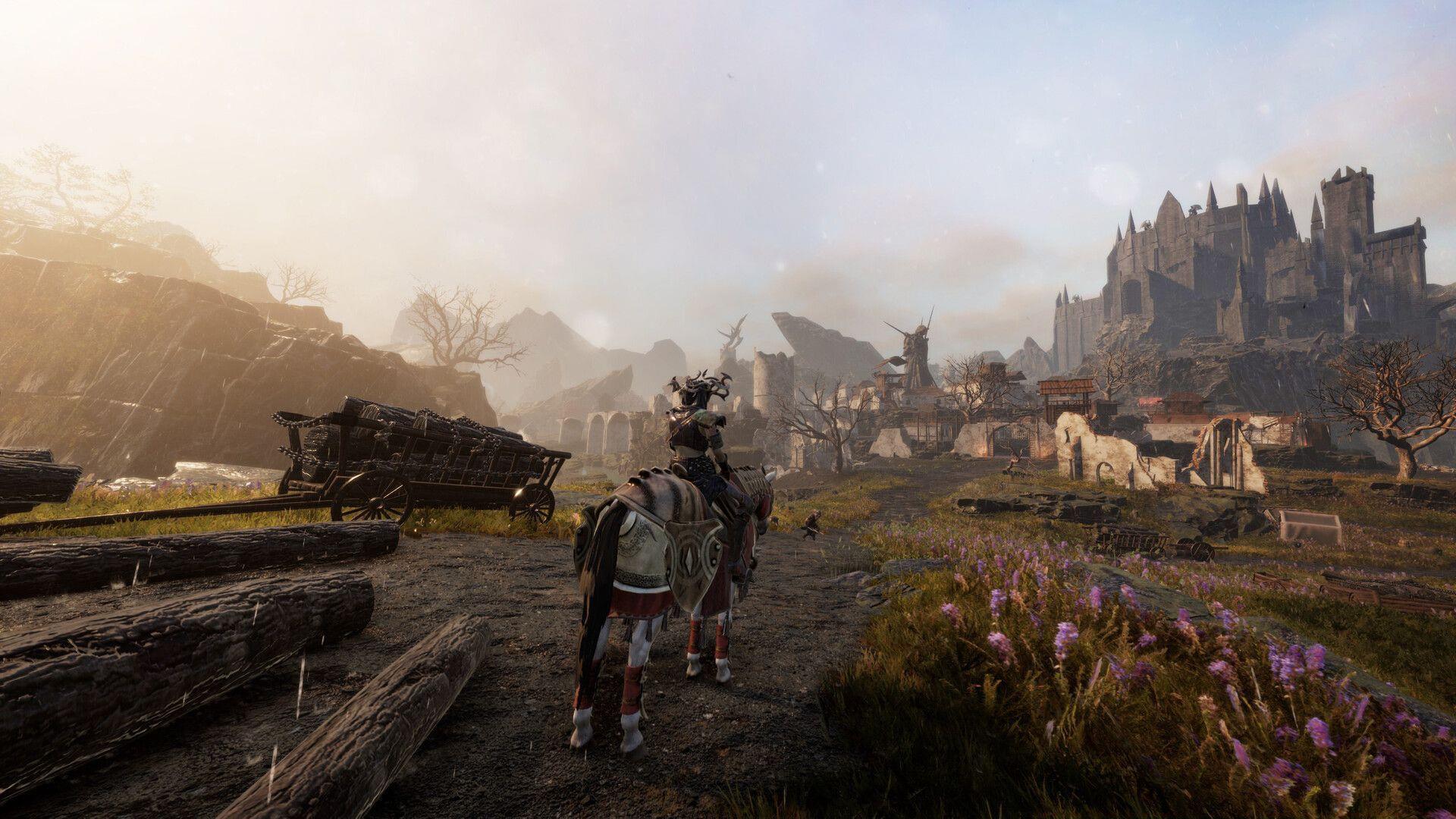
Tainted Grail: The Fall of Avalon launched on May 23, 2025 as a compelling RPG that draws inevitable comparisons to genre-defining titles like Elder Scrolls 5: Skyrim. While many enthusiasts debate which offers superior gameplay, both share foundational RPG mechanics while implementing them through distinct design philosophies. The contrasts between these games aren’t revolutionary transformations but rather thoughtful adaptations that create unique player experiences within familiar frameworks.
Looking for Crossword hints & solutions? Check out latest NYT Mini Crossword Answers, LA Times Crossword Answers, and Atlantic Crossword Answers
Core Similarities: What Both Games Share
Both titles embrace expansive open-world exploration as their central design pillar. Whether navigating the mystical island of Avalon or traversing the vast continent of Tamriel, players enjoy remarkable freedom to chart their own course. This exploration comes with calculated risks – certain territories present significant challenges that may overwhelm unprepared adventurers. The core principle remains consistent: your journey unfolds according to your choices and priorities.
Character progression systems in both games empower players to shape their avatar’s capabilities through skill selection and ability development. Your preferred playstyle directly influences which talents you cultivate, whether focusing on stealth, magic, combat prowess, or specialized techniques. Importantly, your interactions with the game world create narrative consequences that ripple through the storyline, ensuring your decisions carry meaningful weight.
The fantasy settings provide rich backdrops for adventure, though they draw from different mythological traditions. Tainted Grail: The Fall of Avalon immerses players in Arthurian legends reimagined through dark fantasy lenses, while Elder Scrolls 5: Skyrim builds upon Norse and Scandinavian mythology infused with original lore. Both developers have masterfully expanded their source material to create cohesive, believable worlds that feel authentically their own.
Combat mechanics share significant common ground with flexible perspective options. Players can seamlessly switch between first-person immersion and third-person situational awareness during engagements. The weapon selection includes familiar RPG staples like bows for ranged combat, swords for close-quarters encounters, and staves for magical assaults, providing multiple approaches to overcoming adversaries.
Critical Differences: Where They Diverge
Tainted Grail: The Fall of Avalon prioritizes a linear narrative structure that maintains strong story focus throughout the experience. While players retain freedom to explore side content and optional areas, all paths ultimately converge toward central plot developments. This creates a more guided experience where the main storyline remains the primary driver of progression. Elder Scrolls 5: Skyrim embraces non-linear design that allows players to largely ignore the main quest in favor of faction storylines, exploration, or personal goals.
Multiplayer functionality represents one of the most significant divergences between the titles. Tainted Grail: The Fall of Avalon incorporates cooperative gameplay that enables friends to experience the Arthurian saga together, a rare feature in story-driven RPGs. Elder Scrolls 5: Skyrim remains fundamentally single-player, though modding communities have developed multiplayer modifications that provide limited cooperative functionality, often with stability compromises and restricted feature sets.
Character creation philosophies reflect different design priorities. Elder Scrolls 5: Skyrim’s character customization was groundbreaking at release, offering extensive appearance options and racial bonuses that significantly impacted gameplay strategies. Tainted Grail: The Fall of Avalon employs a more curated approach with defined character roles and specialized abilities, creating distinct gameplay experiences for each available character rather than fully customizable builds.
World scale differences substantially impact exploration pacing and content density. Elder Scrolls 5: Skyrim presents an enormous game world filled with hundreds of discoverable locations, hidden secrets, and unexpected encounters around every corner. Tainted Grail: The Fall of Avalon features a more compact environment with greater attention to environmental detail and carefully crafted locations that feel more intentionally designed rather than procedurally generated.
Player Experience Analysis
For players transitioning between these titles, understanding their structural differences prevents common frustration points. Skyrim veterans approaching Tainted Grail should prepare for more narrative guidance and less sandbox freedom, while Tainted Grail players exploring Skyrim may feel overwhelmed by the sheer scale of options available. Both games reward different playstyles, with Tainted Grail favoring story immersion and Skyrim excelling at player-driven exploration.
Common Mistakes to Avoid: Don’t approach Tainted Grail expecting Skyrim-level exploration freedom – its strengths lie in curated storytelling. Similarly, avoid rushing through Skyrim’s main questline when countless side adventures await. In Tainted Grail, neglecting character-specific abilities diminishes combat effectiveness, while in Skyrim, spreading skill points too thinly across numerous trees can create underpowered characters.
Optimization Strategies: Tainted Grail players should master their chosen character’s specialized abilities rather than attempting balanced builds. Skyrim adventurers benefit from focusing on 2-3 complementary skill trees early game. For exploration, Tainted Grail rewards thorough area investigation while Skyrim encourages following environmental cues and NPC suggestions to discover hidden content.
The similarities between these RPGs create comfortable familiarity, while their differences provide distinctive experiences. If you cherished Elder Scrolls 5: Skyrim, Tainted Grail: The Fall of Avalon offers a refreshing narrative-focused alternative with cooperative possibilities. Given time, the distinctions become appreciated design choices rather than limitations, allowing immersion in each game’s unique strengths.
Read more articles here:
No reproduction without permission:Tsp Game Club » Tainted Grail: The Fall of Avalon vs Elder Scrolls 5: Skyrim: Similarities and differences explored Comparing Tainted Grail vs Skyrim: Core gameplay differences, narrative approaches, and player experience insights