
A comprehensive guide to mastering Tales of the Shire’s cozy Hobbit life simulation and community building mechanics
Understanding the Shire Experience
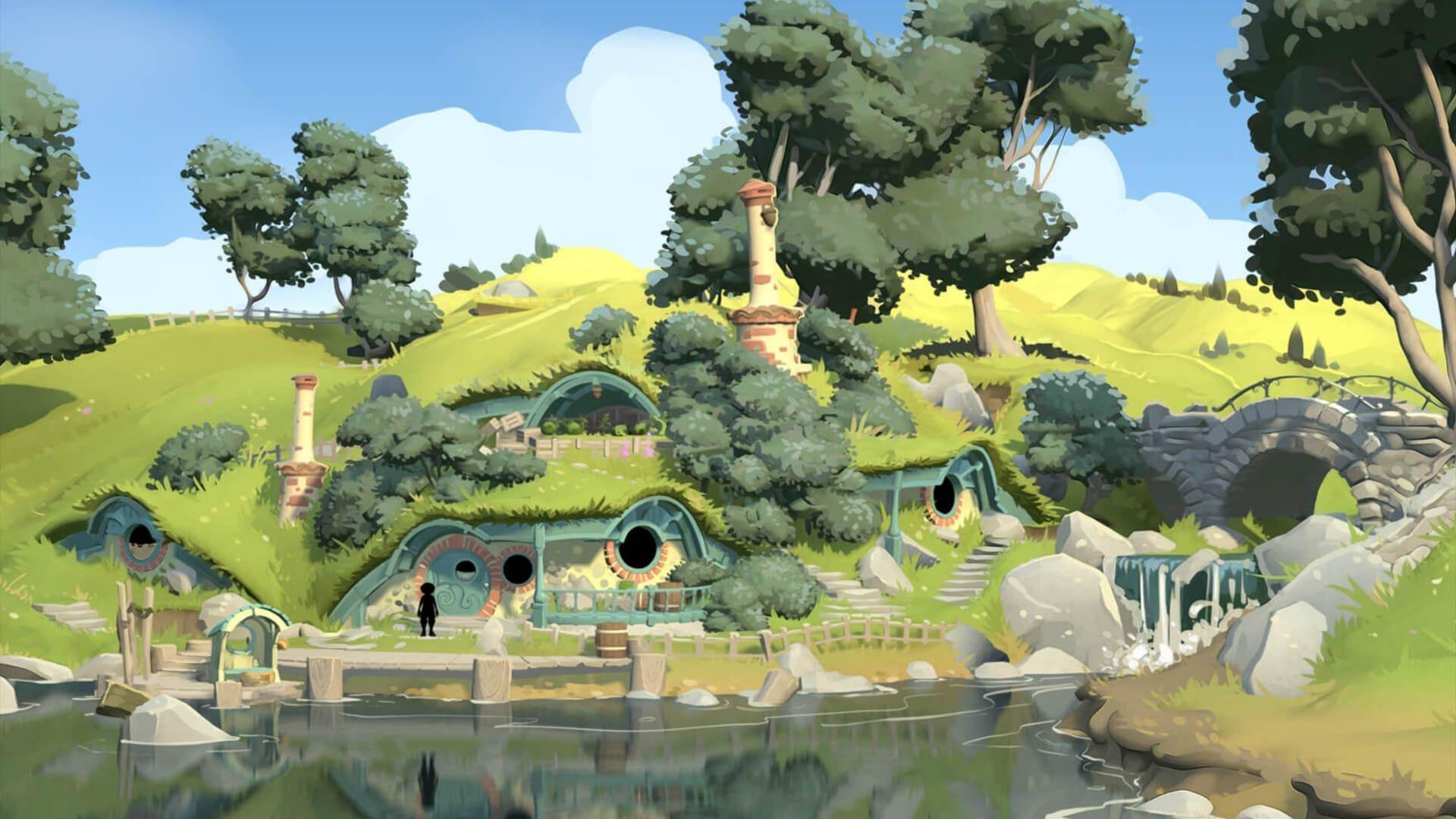
As a dedicated enthusiast of Tolkien’s universe, Tales of the Shire offers precisely what many fans have longed for – an intimate look at everyday Hobbit existence. This isn’t another epic confrontation with dark forces; rather, it’s a beautifully crafted simulation of the peaceful life that made The Shire so appealing. The narrative unfolds during the peaceful years separating The Hobbit and The Lord of the Rings, focusing on ordinary residents rather than legendary heroes.
Looking for engaging puzzles between gaming sessions? Explore our latest crossword solutions including NYT Mini Crossword Answers, LA Times Crossword Answers, and Atlantic Crossword Answers
Players begin with a modest homestead requiring restoration and a small plot of land to cultivate. The primary progression mechanism involves forging connections with neighbors through the universal Hobbit language: culinary generosity. Without revealing narrative specifics, your overarching objective involves creating a thriving community that embodies Hobbit values of comfort and camaraderie. While initial timeline placement might seem ambiguous, contextual clues firmly establish the interquel positioning between Tolkien’s two major works.
Importantly, this experience deliberately avoids reliance on familiar faces from the films or books. You won’t encounter Legolas, Samwise Gamgee, or Gimli as active participants. Though certain notable figures receive mention, the spotlight remains firmly on the unsung heroes of Hobbiton – the everyday inhabitants pursuing their simple, meaningful lives. This design choice creates a refreshing perspective on Middle-earth that feels both authentic and original.
Mastering Hobbit Skills and Activities
The gameplay foundation rests upon developing proficiency in four essential domains: Foraging, Fishing, Farming, and Cooking. These abilities serve dual purposes – advancing the central narrative through relationship development and completing optional objectives that deepen your connection to the world. Each skill tree offers accessible entry points while concealing sophisticated mechanics for dedicated players.
Agricultural management introduces companion planting principles where specific crops demonstrate enhanced growth and quality when cultivated adjacent to compatible varieties. Culinary arts incorporate flavor profile combinations that generate statistical bonuses when ingredients complement each other. The beauty lies in scalability – systems remain straightforward for casual engagement yet reward meticulous optimization for perfectionists.
Daily routines embody Hobbit sensibilities with gentle pacing and absence of pressure. Beyond primary story objectives, your mornings involve checking correspondence, hydrating crops, then dedicating time to angling, gathering wild resources, or preparing dishes for communal feasts. The game never imposes urgency, encouraging methodical progression at your preferred tempo.
Pro Tip: Prioritize unlocking additional foraging locations early by focusing relationship building on characters who control access to new gathering areas. This dramatically improves your resource acquisition capabilities throughout the game.
Mini-game mechanics maintain approachable complexity. Fishing employs intuitive reeling mechanics, while culinary preparation gradually introduces multiple cooking vessels requiring attention to ingredient textures and doneness levels. You’ll chop components before sautéing them to ideal tenderness, simultaneously incorporating seasonings to modify flavor characteristics. These processes feel immediately manageable yet satisfying to master.
Avoid This Mistake: Don’t overspecialize in one skill early. Balanced progression across all four domains ensures you never hit resource bottlenecks and can always participate in whatever activities your Hobbit friends request.
Building Your Community
Relationship development forms the emotional core of Tales of the Shire. As bonds strengthen with fellow Hobbits, they reciprocate with practical rewards including enhanced furniture for your home, additional recipes, and—most importantly—access to previously unavailable foraging spots and fishing locations. Strategic players should monitor which characters provide which benefits to optimize interaction priorities.
Unlike numerous cozy genre titles, this experience completely avoids rushed pacing. While days progress with visible time indicators and four distinct seasons cycle throughout gameplay, these elements create atmosphere rather than pressure. If you miss growing certain crops during their optimal season, the cyclical nature ensures another opportunity arrives soon. Notably, no primary or secondary missions impose time restrictions.
One particularly enjoyable side narrative involves solving sequential riddles without temporal constraints. The sole time-sensitive element involves Shared Meals organization, requiring invitation distribution the day preceding the gathering. As long as the meal occurs the subsequent day, the event proceeds successfully.
Advanced Strategy: Plan your shared meals around seasonal ingredient availability. Cooking with in-season produce typically yields higher quality dishes and better relationship rewards from your guests.
The Club system represents a crucial late-game progression element. These skill-based organizations (Fishing, Foraging, Farming, and Cooking Clubs) offer quests that enhance your reputation within each discipline. End-game content heavily focuses on maximizing bonds with both individual Hobbits and these specialized clubs, making their advancement strategically significant.
Seasonal Challenges and Solutions
Seasonal dynamics provide one of the most engaging mechanical layers in Tales of the Shire. Various fruits, vegetables, and foraged items exhibit seasonal availability patterns. While previously collected ingredients remain usable in recipes regardless of current season, fresh gathering opportunities depend on seasonal conditions. For instance, cranberries only appear wild during their specific growing periods.
Crop cultivation similarly follows seasonal preferences, with plants demonstrating optimal growth during appropriate times while languishing outside their preferred conditions. Fortunately, miscalculated plantings can be rectified using your shovel to remove misplaced crops, preventing permanent land waste.
The most significant frustration encountered involved the arduous process of acquiring high-tier cooking components through foraging. Although improved Club ratings theoretically enhance discovery probabilities, the practical experience felt disproportionately grindy. One particular example required six consecutive in-game days dedicated exclusively to hunting Tier 2 or superior Morel mushrooms before obtaining sufficient quantities for a Club assignment.
Resource Management Tip: When you find high-tier ingredients, consider using them in recipes that provide multiple servings rather than single-use dishes. This maximizes the value of rare components.
Club Quests—optional missions tied to each skill discipline—substantially impact your standing within these organizations. Since late-game advancement revolves around maximizing relationships with both individual Hobbits and skill clubs, the sporadic appearance rates for premium ingredients creates unnecessary progression barriers. Casual players with unlimited time may tolerate this design choice, but goal-oriented participants will find it impedes momentum.
Common Pitfall: Don’t waste in-game days exclusively hunting for one rare ingredient. Instead, incorporate gathering into your daily routine while accomplishing other objectives to maintain progression momentum.
Presentation and Technical Aspects
The visual presentation of Tales of the Shire beautifully captures the cozy aesthetic that defines Hobbit culture. Environmental design authentically recreates the comforting atmosphere of Tolkien’s Shire across all seasonal variations. Character communication employs a Simlish-inspired vocalization system rather than conventional dialogue, enhancing the game’s distinctive personality. The auditory landscape complements visuals perfectly with a soothing musical score that remains engaging even during repetitive activities like fishing.
Immersion comes naturally within this meticulously crafted world. Whether hunting for harvestable resources, trading with fellow Hobbits and occasional Dwarf visitors, or resolving community concerns, simply exploring the developer-created map delivers consistent visual and atmospheric pleasure.
Overall presentation and narrative craftsmanship achieve remarkable satisfaction levels. Hobbit characters display authentic personality spectrums—sometimes petty or prideful, other times warmly welcoming—providing a comprehensive portrayal of their cultural nuances. The sole narrative annoyance involves repetitive post-conversation prompts questioning why players remain in location after dialogue conclusions.
Some players may express disappointment regarding the absence of multiplayer functionality, and cooperative gameplay certainly represents an appealing potential enhancement. However, the core experience focuses on establishing connections with Bywater’s inhabitants rather than human companions. As a standalone single-player cozy game, it demonstrates substantial merit and enduring engagement. Extensive playtesting reveals consistently rewarding gameplay that avoids repetition fatigue, successfully delivering the quintessential Hobbit living fantasy.
No reproduction without permission:Tsp Game Club » Tales of the Shire review: A cozy, enjoyable dip into the world of Hobbits A comprehensive guide to mastering Tales of the Shire's cozy Hobbit life simulation and community building mechanics