
Understanding Ubisoft-Tencent partnership’s impact on major game franchises and community reactions to leadership changes
Leadership Controversy and Community Reaction
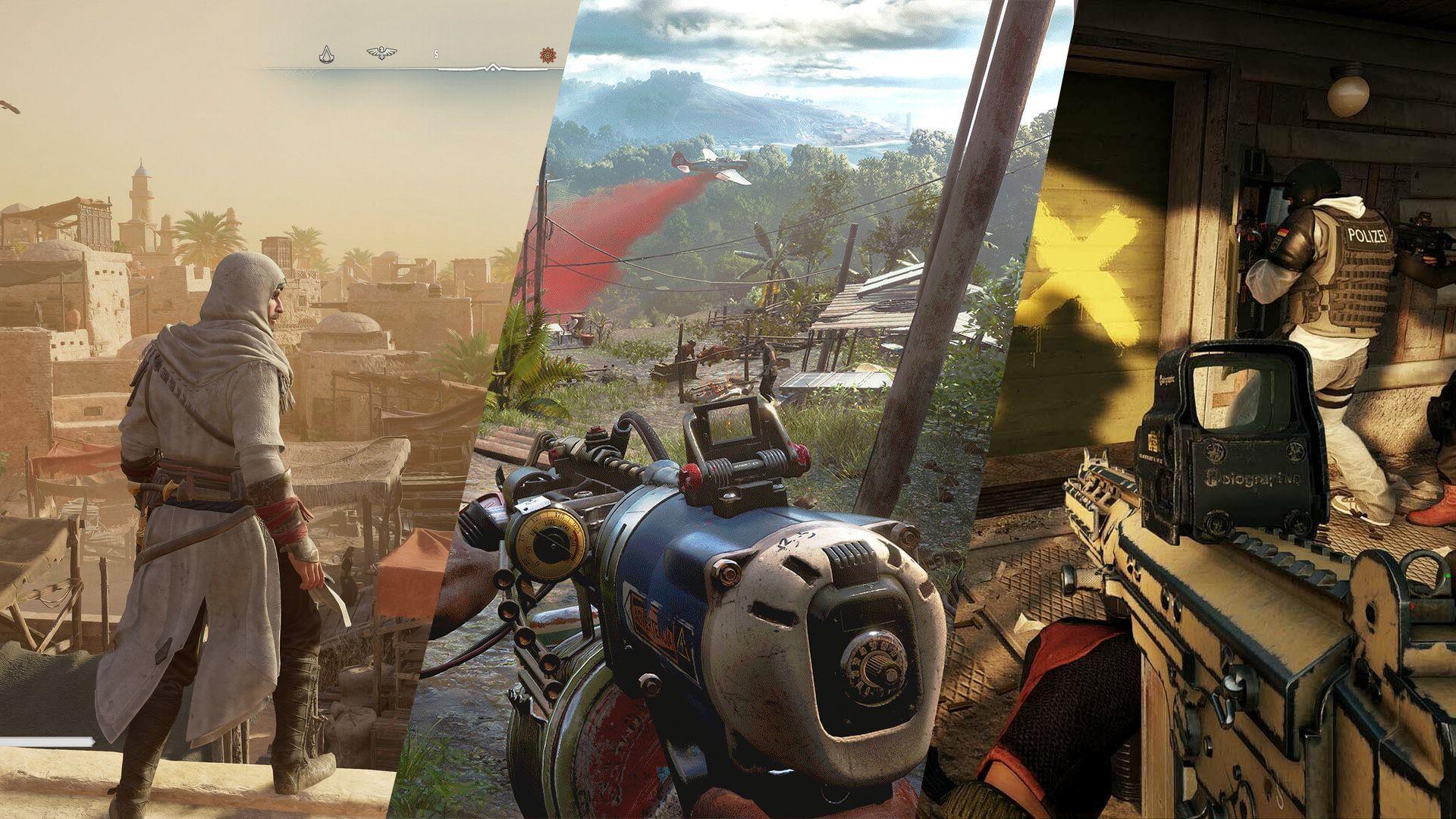
The recent establishment of Ubisoft Tencent’s subsidiary has generated significant discussion within gaming circles, particularly surrounding the appointment of Charlie Guillemot as co-CEO. As the son of Ubisoft founder and CEO Yves Guillemot, this leadership decision quickly became a focal point for community debate across various social media platforms. Gaming enthusiasts have expressed diverse viewpoints regarding both the corporate structure and potential implications for their favorite titles.
Reddit user santathe1 captured a common sentiment in response to PewPewToDaFace’s original post, highlighting the complex dynamics at play. The conversation quickly evolved beyond simple corporate announcements to address fundamental questions about leadership qualifications and family-run businesses in the gaming industry.
Many community members engaged in nuanced discussions about Ubisoft’s historical position as a predominantly family-controlled enterprise. User pajamajamminjamie articulated a pragmatic perspective, suggesting that rather than disputing the circumstances of his appointment, the newly appointed co-CEO should focus on delivering results that validate his position through tangible achievements and successful project outcomes.
The debate took an interesting turn when echolog highlighted the paradoxical nature of generational business transitions, where parents work diligently to establish foundations for their children, yet those children face accusations of nepotism when they achieve success. This perspective was met with thoughtful counterarguments from randomIndividual21, who pointed out the particular concerns arising from Charlie Guillemot’s partial denial that his father’s position influenced his appointment.
Amidst these corporate leadership discussions, a substantial segment of the player base maintained a different priority entirely. Dandelegion voiced what many gamers truly care about—regardless of corporate structure or leadership appointments, the ultimate measure of success remains the quality and enjoyment of the games produced. This sentiment reflects a broader industry trend where players increasingly judge companies by their output rather than their organizational charts.
Also read: The Division 2 vendors this week (July 15 to 22, 2025)
WiseCityStepper contributed additional context by noting that as a family business, Ubisoft would naturally tend toward appointing family members to key positions. However, ModestHandsomeDevil countered with concerns about the company’s financial performance under current leadership, suggesting that the necessity of Tencent investment indicates underlying challenges that might require fresh perspectives beyond family connections.
Affected Game Franchises and Subsidiary Structure
Recent official announcements from Ubisoft have clarified that the newly formed Ubisoft Tencent subsidiary will concentrate development efforts on several of the company’s most significant intellectual properties. This strategic move places three major franchises under the subsidiary’s purview: the historically-rich Assassin’s Creed series, the open-world action of Far Cry, and the tactical shooter excellence of Tom Clancy’s Rainbow Six. These franchises represent substantial revenue streams and have dedicated fan bases that span global markets.
The leadership framework for this new venture establishes a dual-CEO structure with clearly delineated responsibilities. Charlie Guillemot will oversee the creative dimensions of the subsidiary’s operations, including overall vision establishment, content development strategies, marketing initiatives, and directional guidance for game projects. This positioning places him at the forefront of determining the creative trajectory for these beloved franchises.
Working in complementary capacity, Christophe Derennes assumes responsibility for the operational and technical aspects of game production. His portfolio encompasses production management, coordination of co-development partnerships, and technological infrastructure decisions. This division of labor creates a balanced leadership approach that separates creative vision from execution capabilities.
While the official announcements provided substantial detail about the internal leadership structure, they remained notably circumspect regarding Tencent’s specific influence on game development decisions and creative direction. As one of the world’s largest gaming companies, Tencent brings substantial resources and market expertise to the partnership, but the extent of their creative control remains undefined in public communications. This ambiguity has generated speculation within the gaming community about potential shifts in game design philosophy or monetization strategies.
The establishment of this subsidiary occurs against a backdrop of increasing consolidation within the gaming industry, where major players frequently form strategic partnerships to leverage complementary strengths. For Ubisoft, access to Tencent’s extensive distribution networks in Asian markets and their free-to-play expertise could provide valuable advantages, while Tencent gains involvement with established Western AAA franchises with proven global appeal.
Strategic Implications for Gaming Community
For the dedicated player communities surrounding Assassin’s Creed, Far Cry, and Rainbow Six, this corporate restructuring raises important questions about what to expect from future iterations of these franchises. Historical precedents from similar industry partnerships suggest several potential outcomes that players might anticipate in the coming development cycles.
Players should monitor for subtle shifts in game design philosophy, particularly regarding monetization approaches and live service elements. Tencent’s extensive experience with games-as-a-service models could influence how these franchises evolve, potentially introducing more persistent online elements or alternative revenue models beyond traditional premium purchases.
The separation of creative and production leadership under the co-CEO structure presents both opportunities and risks. A clearly defined creative vision from Charlie Guillemot could provide coherent direction, while Christophe Derennes’ production expertise might streamline development processes. However, the success of this model depends heavily on effective collaboration between the two leadership roles and their respective teams.
Community feedback mechanisms may become increasingly important as these changes take effect. Players invested in these franchises should consider providing constructive feedback through official channels regarding their expectations for game quality, feature sets, and respect for established franchise identities. Well-articulated community perspectives can influence development priorities when corporate structures undergo significant transformations.
Looking forward, the gaming industry continues to evolve toward more collaborative and international development models. Partnerships like the Ubisoft-Tencent subsidiary represent a growing trend where companies leverage complementary strengths across geographical and expertise boundaries. For players, the ultimate measure of success will be whether these structural changes result in better gaming experiences that respect franchise legacies while innovating in meaningful ways.
Stay tuned to Sportskeeda for more updates, guides, and news.
- The Division 2 x Payday collab details: Rewards, runtime, Twitch Drops, and more
- The Division 2 Week 8 Manhunt guide: Scout 8 HVT objectives and solutions
- Assassin’s Creed Shadows Review: A breath of fresh air, with the scent of the familiar
- The Crew Motorfest Ferrari F80 Summit challenges and rewards (July 9 to 16, 2025)
No reproduction without permission:Tsp Game Club » “That’s what all nepobabies say.” Fans left divided over the co-CEO of the new Ubisoft Tencent subsidiary Understanding Ubisoft-Tencent partnership's impact on major game franchises and community reactions to leadership changes