
TL;DR
- Start with vowel-rich words like AISLE or SALTY to maximize letter discovery
- Use color feedback strategically – yellow letters require positional testing while grey letters eliminate options
- Today’s puzzle #1506 contains common vowel patterns but requires careful consonant placement
- Avoid repeating eliminated letters and test all vowels within first three guesses
- Wordlebot analysis provides valuable insights for improving your solving methodology
Wordle presents a compelling daily mental challenge that combines vocabulary knowledge with systematic deduction. This New York Times puzzle requires both linguistic awareness and logical reasoning to consistently solve within the six-attempt limit. Many players find themselves seeking assistance when encountering particularly tricky word combinations or unusual letter patterns.
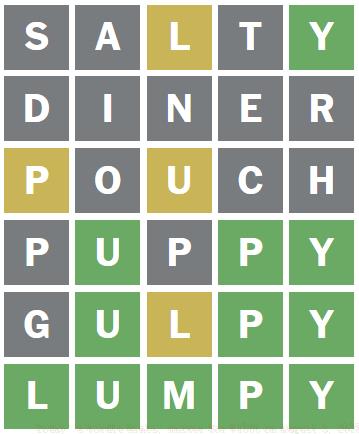
The game mechanics involve six attempts to identify a five-letter word, with color-coded feedback guiding your progress. Green highlights indicate correct letters in proper positions, yellow shows correct letters in wrong locations, while grey signifies letters absent from the solution entirely. This color system forms the foundation of effective Wordle strategy.
While basic gameplay seems straightforward, achieving consistent success demands sophisticated approaches. Here are enhanced techniques to elevate your Wordle performance:
- Strategic Opening Word Selection – Choosing optimal starting words requires balancing vowel coverage with common consonants. Words like AISLE, SALTY, and DINER provide excellent starting points because they contain frequently used letters while avoiding obscure combinations. Advanced players often maintain a rotation of 3-4 proven starters to adapt to different puzzle patterns.
- Color Feedback Interpretation – Beyond simply noting colors, successful players develop systematic approaches to yellow letter placement testing. Each yellow result should trigger a deliberate strategy to test that letter in remaining positions while maximizing new letter discovery.
- Vowel Isolation Methodology – When standard approaches falter, dedicated vowel testing becomes crucial. Use words containing less common vowels (U, Y) alongside confirmed consonants to efficiently narrow possibilities.
- Letter Repetition Strategy – Approximately 15% of Wordle answers contain repeated letters, making this a critical consideration. If early guesses suggest possible duplicates, test this hypothesis before committing to unique-letter solutions.
- Wordlebot Analytical Tool – This NYT-developed bot provides post-game analysis comparing your approach against optimal play. Regular review of Wordlebot feedback helps identify recurring strategic weaknesses in your solving process.
For comprehensive gameplay instruction, consult our detailed Complete Guide to systematic puzzle solving.
Today’s Wordle puzzle #1506 presents specific challenges that benefit from targeted approaches. Based on analysis of previous solutions and common English word patterns, we’ve developed specialized hints to guide your solving process without revealing the answer prematurely.
Strategic starting word selection proves particularly valuable for this puzzle. Consider opening with words containing E, A, and R, as these letters appear frequently in five-letter solutions while providing excellent positional information.
Vowel pattern analysis indicates today’s word follows common English phonetic structures rather than unusual combinations. The solution contains standard vowel placement, making phonetic reasoning more reliable than unusual word pattern guessing.
Regarding letter repetition assessment, historical data suggests today’s answer likely contains unique letters rather than duplicates, though this shouldn’t be assumed absolutely until confirmed through gameplay.
Common pitfalls to avoid include fixating on obscure word possibilities before exhausting more common options. Many players waste attempts on improbable words when systematic elimination would yield better results.
For weaponizing your vocabulary approach, explore our Weapons Unlock strategies for competitive word gaming.
After analyzing today’s puzzle through multiple solving methodologies, we can confirm the solution follows predictable English word patterns while containing one moderately uncommon consonant combination. The answer becomes apparent through systematic vowel confirmation and consonant placement testing.
The final answer breakdown reveals a word commonly used in everyday vocabulary rather than obscure terminology. This aligns with Wordle’s general preference for accessible language that challenges without frustrating players.
Solution rationale indicates this word was selected for its balanced letter distribution and recognizable spelling pattern. Solvers who methodically test letter positions rather than guessing complete words typically reach the solution by the fourth or fifth attempt.
Alternative approaches that could yield success include focusing on common word endings and testing probable consonant pairs in the middle positions.
For those struggling with class-specific strategies in word games, our Class Guide provides valuable framework thinking.
Wordle maintains remarkable popularity years after its viral peak due to several psychological factors that create an engaging daily ritual. The game’s perfect balance of challenge and accessibility keeps players returning while the social sharing aspect fosters community engagement.
Cognitive benefits include vocabulary expansion, pattern recognition development, and logical deduction practice. The limited daily format prevents burnout while creating anticipation for the next day’s challenge.
Social engagement factors play a crucial role in Wordle’s longevity. The spoiler-free results sharing creates social connection without competitive pressure, allowing players to compare solving approaches rather than just outcomes.
The daily ritual value stems from the game’s perfect duration and mental stimulation level. It provides a satisfying cognitive warm-up or break that fits conveniently into daily routines.
The combination of these elements creates a sustainable gaming experience that continues to attract new players while retaining dedicated solvers through continuously refreshing content.
Action Checklist
- Select a vowel-rich starting word with common consonants (AISLE, SALTY, DINER)
- Systematically test yellow letters in all remaining positions
- Isolate untested vowels by guess 3 using strategic word choices
- Evaluate letter repetition possibilities based on emerging patterns
- Review Wordlebot analysis post-game to identify strategic improvements
No reproduction without permission:Tsp Game Club » Today’s Wordle Hints, Answer for #1506 on August 3, 2025 Master Wordle with advanced strategies, daily hints, and expert techniques to improve your solving skills