
TL;DR
- Death causes rune loss and level reduction by one, with co-op offering revival opportunities
- Solo players face immediate ‘You Died’ while co-op teammates enter revivable near-death state
- Nighttime deaths end runs immediately for solo players, daytime allows multiple attempts
- Runes can be recovered from death spots but may be stolen by enemies requiring combat retrieval
- Team coordination during revival phases is critical for co-op survival and progression
In FromSoftware’s challenging roguelike expansion, death carries severe consequences that demand strategic adaptation. Unlike traditional Souls games, Nightreign operates on punishing three-day cycles where each fatal mistake can erase hours of hard-earned progress. The developers have implemented a balanced approach that maintains tension while providing recovery opportunities.
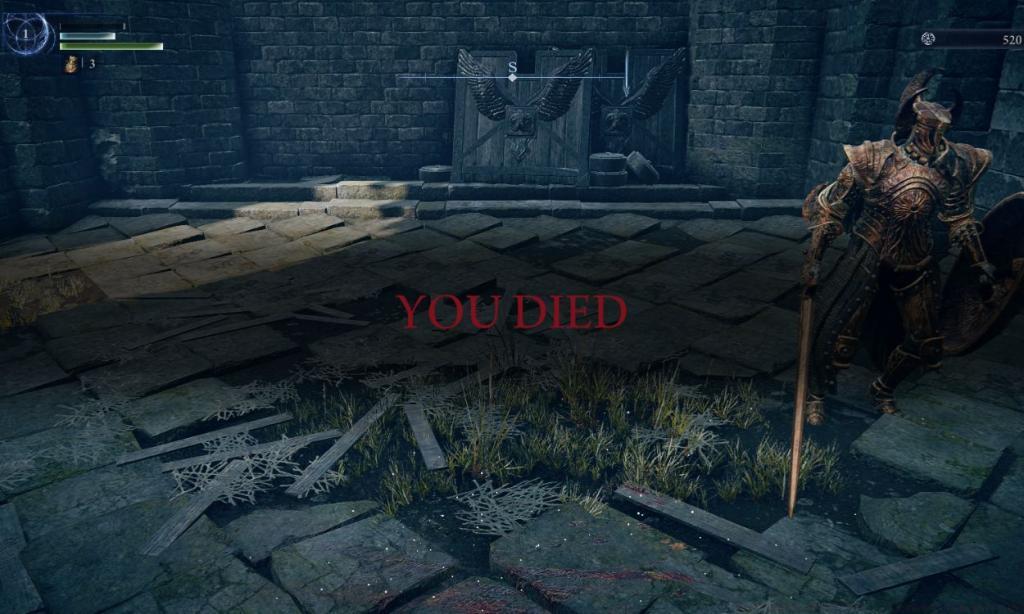
When your health reaches zero, you face two primary penalties: complete rune loss and character level reduction by one. This dual punishment system affects both solo adventurers and cooperative Nightfarers equally, creating consistent risk assessment across playstyles. The three-day cycle structure amplifies these stakes, as successful boss confrontation requires careful resource accumulation throughout the entire period.
Critical timing awareness separates survival from defeat. Daylight hours provide relative safety with resurrection opportunities, while nighttime transforms every encounter into potential run-ending scenarios. Understanding this day/night dynamic is essential for planning advancement strategies and knowing when to take calculated risks versus exercising caution.
Cooperative play introduces sophisticated revival mechanics that reward teamwork and coordination. When a party member’s health depletes, they don’t immediately face the ‘You Died’ screen but instead enter a near-death state, creating crucial windows for recovery. This system transforms individual mistakes into team challenges that can be overcome through proper execution.
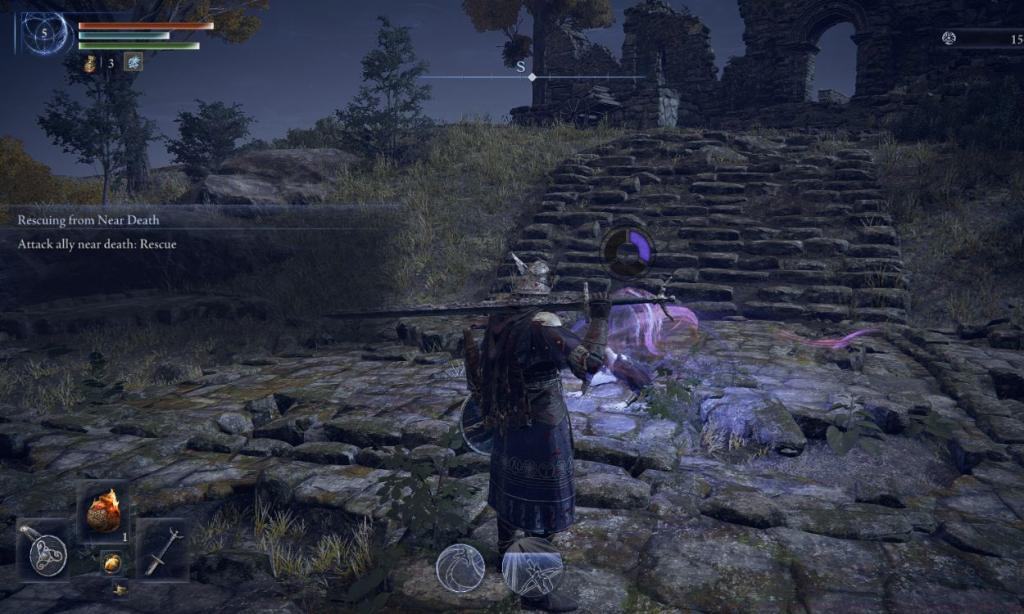
The revival interface centers around a distinctive purple gauge that appears above downed teammates. This visual indicator features segmented bars that precisely communicate the damage requirement for successful revival. Larger gauge sizes demand more aggressive team intervention, while smaller gauges indicate quicker recovery potential. Mastering gauge interpretation becomes a vital co-op skill.
Strategic timing varies significantly between day and night phases. During nighttime, the revival gauge remains active indefinitely as long as other party members survive, allowing methodical approach to rescue operations. Daylight introduces urgency through a visible timer on the gauge’s outer edge – failure to complete revival before expiration triggers full death penalties and respawn at the last visited Site of Grace.
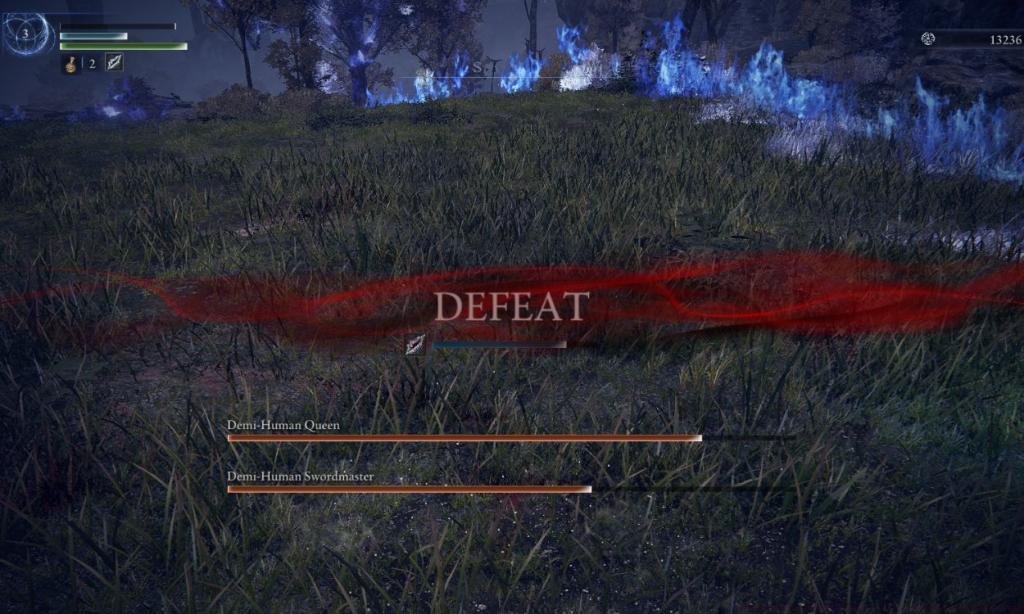
Team wipe scenarios occur when all three Nightfarers fall in succession, displaying the definitive ‘Defeat‘ screen that terminates the current run. Effective communication about revival priorities and enemy management separates successful teams from those constantly restarting cycles.
Solo adventurers face immediate consequences without revival opportunities. Upon health depletion, you instantly encounter the ‘You Died’ screen and suffer the standard penalties before respawning at the nearest safe location. This creates a more punishing but straightforward death experience that demands perfect execution.
The level reduction system implements a safety net – your character level will continuously decrease with each death until reaching level one, after which no further level deductions occur. This protection prevents complete character degradation while maintaining progression consequences.
Nighttime presents the ultimate solo challenge: any death during dark hours immediately triggers the ‘Defeat’ screen and run termination. This day/night asymmetry requires careful planning, as successful solo players must balance aggressive daytime advancement with conservative nighttime survival tactics.
Understanding this fundamental difference between solo and co-op death mechanics is crucial for selecting the appropriate playstyle for your skill level and goals. While co-op provides safety nets through revival, solo play offers undiluted challenge that tests true mastery of Nightreign’s systems.
Rune recovery represents a critical skill for minimizing progression loss. When you die, all carried runes drop at the death location, creating recovery opportunities. However, nearby enemies can intercept these valuable resources, adding strategic complexity to retrieval missions.
Enemy interception prevention requires immediate action upon respawn. The longer you delay recovery attempts, the higher the probability of enemy theft. Developing efficient death location memorization and quick return routes significantly improves rune retention rates.
When enemies successfully claim your runes, you must defeat the specific responsible enemy to reclaim your lost progression. This creates mini-boss scenarios where targeted combat becomes necessary for resource recovery, adding another layer to the death penalty system.
Advanced players should master cycle management techniques that optimize risk versus reward calculations. During early cycle days, aggressive play may be warranted to accumulate resources quickly, while later days demand conservative preservation of existing gains. For comprehensive gameplay strategies, consult our Complete Guide to enhance your overall strategy approach.
Strategic Site of Grace selection before challenging encounters can significantly reduce recovery time after deaths. Planning your safe point locations with consideration of potential death scenarios transforms frustrating setbacks into manageable inconveniences.
Action Checklist
- Memorize death locations immediately for efficient rune recovery
- Coordinate revival priorities with co-op teammates during near-death states
- Plan aggressive advancement during daytime, switch to conservative tactics at night
- Select strategic Site of Grace locations before challenging encounters
- Identify and eliminate specific enemies that steal runes for recovery
- Master purple gauge interpretation for optimal co-op revival timing
No reproduction without permission:Tsp Game Club » What Happens When You Die in Elden Ring Nightreign? Master Elden Ring Nightreign's death mechanics with survival strategies and revival tactics