
TL;DR
- Always test builds in Sparring Grounds to avoid costly mistakes during actual runs
- Maintain team cohesion with clear communication and coordinated role assignments
- Prioritize church locations for safer progression and essential upgrade materials
- Match elemental damage types to enemy weaknesses for significantly increased effectiveness
- Spend runes immediately on upgrades rather than risking loss through death
Finding Limveld overwhelming? This comprehensive guide delivers 8 battle-tested strategies to dominate Elden Ring: Nightreign. Discover how to construct optimized builds, navigate efficiently, and consistently achieve victorious runs.
Elden Ring: Nightreign represents a fundamental departure from traditional gameplay—it’s an entirely new challenge ecosystem. Gone are the days of leisurely exploration and learning through repeated failure. You now face a high-intensity roguelike environment where each choice carries weight, the clock constantly advances, and defeat can strike before comprehension dawns.
Yet within this apparent chaos lies an elegantly designed system that richly rewards preparation, adaptation, and strategic tool utilization. Whether venturing alone or with allies, success in initial attempts doesn’t come from mindless grinding or clearing entire zones. Victory emerges from understanding pacing, managing character development, and executing deliberate movement patterns.
These 8 strategic principles will transform your early Limveld expeditions from frustrating failures to consistent triumphs.
The temptation to bypass Sparring Grounds and dive directly into runs is strong, particularly for veterans of the main game who assume class mastery carries over. However, Nightreign’s extensive build customization and roguelike variability ensure each attempt feels distinctly unique. You’ll frequently encounter unfamiliar armaments, unusual spell combinations, or passive effects that dramatically alter combat flow.
Sparring Grounds provide a consequence-free environment to experiment extensively. Exchange weaponry, trial Ashes of War, assess dodge timing with bulkier armor sets, or conduct practice engagements to master parry techniques, spell casting, or combination attacks. Zero risk combines with tremendous potential benefit. Brief preparation sessions here can eliminate mechanical inconsistencies before they compromise serious attempts.
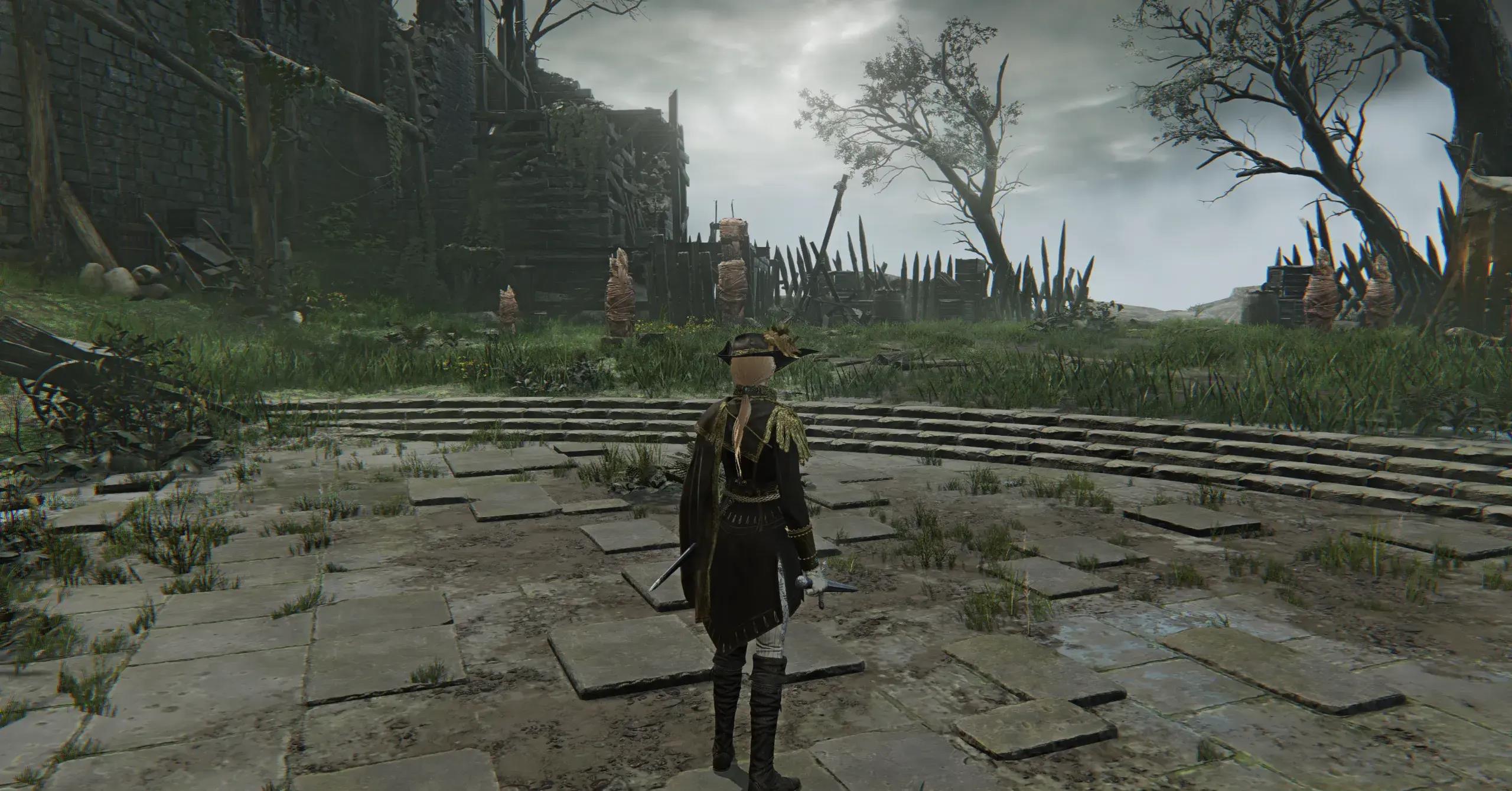
For players experimenting with new character archetypes or coordinating cooperative synergy, this becomes non-negotiable. This controlled environment reveals whether your configuration functions properly before stakes become real. Advanced practitioners should test damage thresholds against various enemy types and practice animation canceling techniques that can save precious seconds during intense encounters.
Common Mistake: Many players assume weapon familiarity from the main game translates directly to Nightreign, failing to account for altered move sets and stat scaling. Always verify your primary weapon’s complete move set, including rolling attacks and jump attacks, which often differ significantly.
Nightreign’s three-player cooperative mode transcends mere feature status—it represents essential strategic infrastructure for intelligent play. The game penalizes solitary tactics more severely than anticipated. Adversaries escalate rapidly, flanking maneuvers prove fatal, and resurrection remains possible only when allies remain sufficiently proximate. Separation invites gradual team depletion through consecutive individual defeats.
This doesn’t mandate constant physical proximity at all times. However, unambiguous communication and general closeness yield substantial dividends. Utilize your minimap to monitor teammate positioning, deliberately mark objectives, and synchronize specialized roles. Supporting a spellcaster? Position them defensively while your vanguard engages. Teammate incapacitated? Respond immediately with revival efforts.

When comrades insist on solo boss engagements? Permit experiential learning through failure. Subsequently reconvene and execute properly coordinated assaults. Establish clear voice communication protocols and designate specific roles (tank, damage, support) before entering high-risk zones. The Class Guide provides excellent frameworks for understanding role specialization that applies directly to Nightreign’s cooperative dynamics.
Pro Tip: Designate a ‘shot caller’ for boss encounters to coordinate phase transitions and ultimate ability usage. Random ability usage without coordination often wastes crucial damage windows and healing resources.
In Nightreign’s relentless environment, velocity transcends mere movement—it represents a fundamental resource requiring careful management. Unlike traditional Elden Ring, the game implements escalating difficulty timers that progressively strengthen enemies regardless of player progression. Wasting minutes on unnecessary detours or inefficient routing compounds challenge unnecessarily.

Mastering efficient navigation between objectives separates consistent performers from occasional victors. Learn to identify valuable shortcuts, recognize which enemy groups warrant engagement versus avoidance, and develop mental maps of resource cluster locations. Speed doesn’t mean reckless charging—it signifies optimized routing and deliberate action.
Advanced players should practice ‘pathing’ techniques during Sparring Ground sessions, timing routes between key locations to establish baseline performance metrics. The Complete Guide to strategic movement in dynamic environments offers transferable principles for maintaining momentum while minimizing risk exposure.
Time Management: Allocate approximately 70% of your time to primary objectives, 20% to essential resource gathering, and 10% to emergency contingencies. This ratio ensures progression while maintaining flexibility for unexpected challenges.
Early progression temptation often directs players toward imposing castle structures promising substantial rewards. However, ecclesiastical locations typically offer superior risk-reward ratios for developing characters. Churches provide essential upgrade materials, frequently contain valuable sacred tears for flask enhancement, and feature less dense enemy concentrations than fortified structures.

Prioritize church circuits during initial runs to establish foundation upgrades before attempting challenging castle incursions. These holy sites often contain NPCs offering unique services, hidden basement areas with valuable artifacts, and safer environments for testing new equipment combinations. The consistent layout patterns across Limveld’s churches enable rapid navigation once familiarized.
Strategic Sequencing: Complete 2-3 church locations before attempting any major castle engagement. This provides sufficient upgrade materials to handle castle-level challenges while minimizing unnecessary death cycles that reset progression momentum.
Castle engagements should follow church completions, leveraging acquired upgrades to overcome heightened defensive challenges. This sequential approach dramatically increases survival probability during critical early-game phases where resource scarcity poses the greatest threat.
Golden Scarabs represent Nightreign’s early-game economic foundation, yet many players underestimate their strategic importance. These insects provide immediate rune infusion when collected, bypassing the risk of loss through death that plagues traditional rune accumulation. Early scarab acquisition establishes economic momentum that compounds throughout runs.

Memorize scarab spawn locations along frequently traveled routes and incorporate them into standard navigation patterns. Unlike main-game scarabs, Nightreign variants respawn between runs, making their collection a renewable economic strategy. Prioritize scarab routes during initial run phases when rune scarcity most severely impacts progression speed.
Combine scarab collection with strategic spending at nomadic merchants encountered throughout Limveld. The Weapons Unlock principles of economic prioritization apply directly—invest in foundational upgrades before luxury items. Early weapon enhancement typically outperforms stat investment until mid-game thresholds.
Economic Priority: Weapon upgrades > Essential spells > Vital statistics > Armor improvements > Consumable stocks. This sequence maximizes combat effectiveness per rune invested.
Elemental alignment represents one of Nightreign’s most frequently overlooked damage amplification systems. Enemy resistances and vulnerabilities follow predictable patterns, and matching damage types to these weaknesses can double or triple effective damage output. Ignoring this system essentially forfeits substantial combat advantages.

Carry multiple weapon types with varied damage affinities or invest in spells covering complementary elements. Fire typically excels against wooden constructs and beasts, holy damage devastates spectral enemies, and lightning proves exceptionally effective against armored opponents and aquatic creatures. Memorize these relationships and adapt loadouts accordingly.
Advanced strategy involves creating elemental combinations that trigger status effects. Frostbite followed by fire damage creates unique interaction opportunities, while poison combined with scarlet rot can overwhelm enemy regeneration capabilities. These sophisticated approaches separate expert players from intermediate practitioners.
Elemental Priority: Maintain at least two damage types at all times. The most versatile combinations include physical + fire for early game, transitioning to magic + lightning for mid-game challenges where enemy variety increases significantly.
The instinct to conserve runes for major purchases represents one of Nightreign’s most common and costly beginner mistakes. Unlike traditional RPGs where resource hoarding sometimes proves beneficial, Nightreign’s death mechanics render stored runes entirely vulnerable. Every rune unspent constitutes potential loss without return.
Adopt a ‘spend frequently, spend wisely’ philosophy. After each significant encounter or resource collection, immediately visit upgrade stations or merchants to convert runes into tangible progression. Level upgrades, weapon enhancements, and essential consumables should receive priority based on immediate needs rather than theoretical future requirements.

Establish rune spending thresholds—when reaching specific amounts, immediately seek spending opportunities rather than continuing with vulnerable resources. This discipline prevents devastating losses that can cripple run momentum. Intermediate players should calculate ‘death cost’ probabilities when deciding between continued exploration versus returning for upgrades.
Spending Thresholds: 1,000 runes (immediate spending), 5,000 runes (mandatory return trip), 15,000+ runes (emergency spending priority). These benchmarks minimize potential losses while maintaining progression velocity.
Evergaols present Nightreign’s quintessential high-risk, high-reward scenarios. These contained battle arenas pit players against uniquely challenging opponents in exchange for exceptional rewards. However, unsuccessful attempts consume valuable resources and time without compensation, making strategic assessment essential before engagement.

Evaluate Evergaol challenges based on current capability rather than potential reward magnitude. If your build struggles significantly against the arena’s specific enemy type, defer the attempt until acquiring appropriate counters. The temporary nature of Nightreign runs means failed Evergaol attempts can compromise entire sessions through resource depletion.
Successful Evergaol completion typically rewards unique weapons, powerful talismans, or substantial rune caches that can dramatically accelerate progression. However, these benefits only materialize upon victory. Develop specific Evergaol preparation checklists including optimal weapon choices, necessary consumables, and escape strategies for untenable situations.
Engagement Criteria: Only attempt Evergaols when at full resources, with appropriate elemental damage options, and after successfully testing against similar enemy types in Sparring Grounds. This methodology maximizes success probability while minimizing catastrophic failure consequences.
Nightreign rewards deliberate character development over random accumulation. Each upgrade selection should contribute to a coherent strategic vision rather than representing isolated improvements. Construct builds with specific encounter solutions in mind, whether addressing particular boss mechanics, zone challenges, or cooperative role requirements.
Adaptive building proves more valuable than rigid specialization in Nightreign’s variable environment. While maintaining primary combat focus, incorporate flexible elements that address common challenges. Every build should include solutions for ranged opponents, aggressive melee attackers, and status effect threats regardless of primary specialization.
Long-term planning involves anticipating progression milestones and preparing appropriate upgrade materials in advance. Understanding stat breakpoints, weapon requirement thresholds, and spell memory allocation enables efficient transition between power plateaus without wasteful experimentation during critical run phases.
Build Checklist: Primary damage source > Defense mechanism > Mobility option > Utility skill > Emergency contingency. This framework ensures comprehensive capability coverage while maintaining specialization benefits.
Action Checklist
- Complete 10-minute Sparring Grounds session testing primary weapon move sets and dodge timing
- Establish communication protocol with co-op partners and assign specific combat roles
- Run church circuit collecting upgrade materials before attempting any castle engagements
- Memorize 3 golden scarab locations and incorporate them into standard navigation routes
- Equip secondary weapon with complementary damage type and test against various enemy resistances
- Implement rune spending thresholds and immediately convert resources after reaching benchmarks
- Develop Evergaol assessment criteria and preparation checklist before attempting challenges
No reproduction without permission:Tsp Game Club » Elden Ring Nightreign Beginners Guide: 8 Tips to Master Your First Run Master Elden Ring: Nightreign with 8 expert strategies for survival, efficient progression, and winning runs