
Master Elden Ring Nightreign’s rogue-like expeditions with practical strategies for efficient progression and survival.
Understanding the Nightreign Expedition Loop
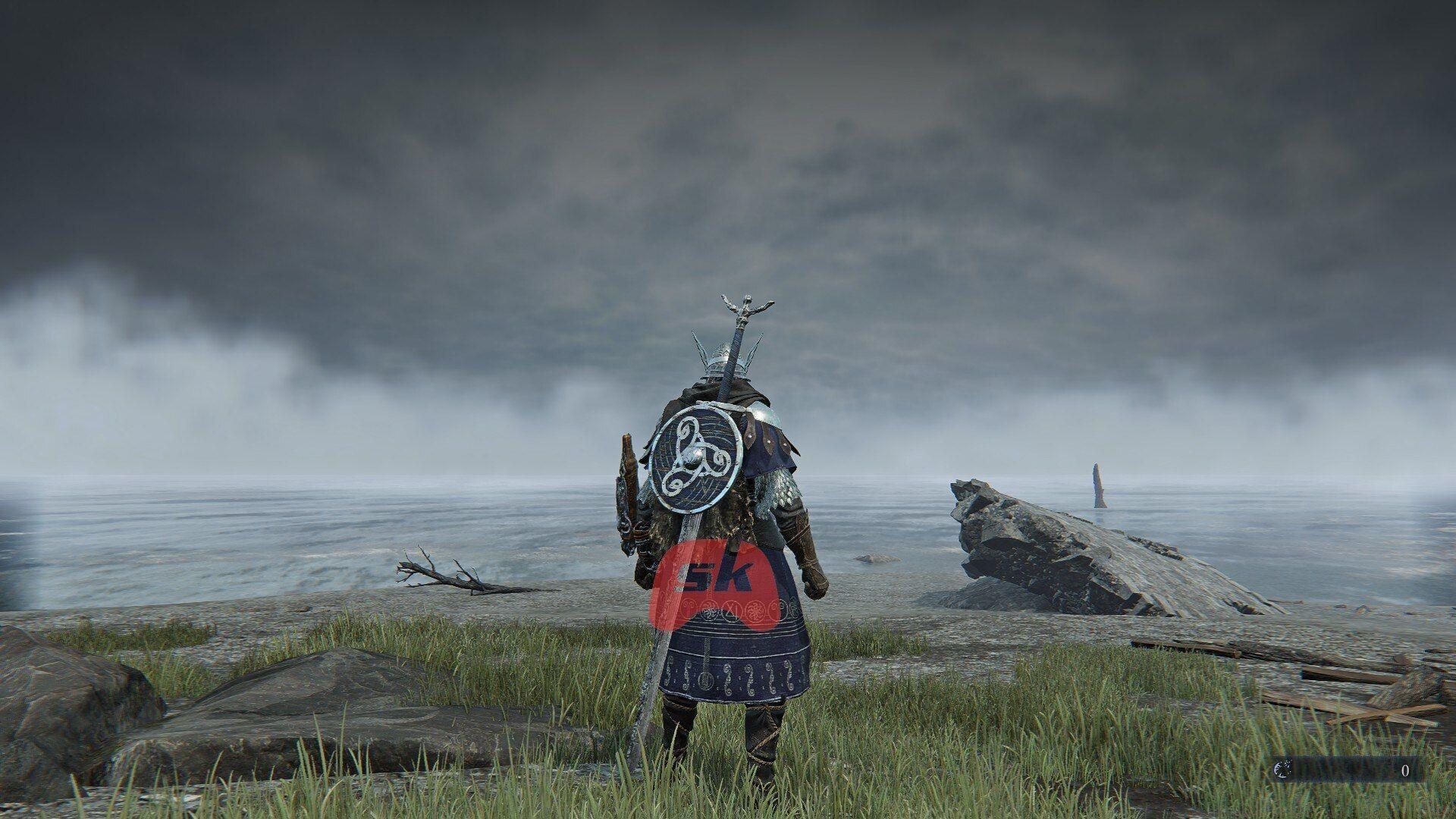
Elden Ring Nightreign introduces a compelling hybrid experience, dropping players into the unfamiliar territory of Limveld at level 1 with zero hand-holding. This isn’t just another Souls-like adventure; it’s a high-intensity, multiplayer-focused rogue-like where every decision carries weight against the clock. The core loop masterfully blends FromSoftware’s signature punishing difficulty with session-based runs, creating a unique tension between long-term character progression and short-term survival.
The fundamental structure revolves around expeditions—discrete, high-stakes forays into a dynamically changing world. Unlike the continuous exploration of the base game, Nightreign segments your journey into manageable but intense bursts of gameplay. This format demands a shift in mindset: you’re not embarking on an epic, unbounded quest, but rather executing a series of tactical missions with clear, escalating objectives.
A critical mistake new players make is treating Limveld like the open fields of Limgrave. While the environment shares visual cues, the presence of the relentless day/night cycle imposes a strict tempo. Exploration must be purposeful and efficient. Wandering without a plan during the brief daytime windows is a luxury you cannot afford, as the encroaching Night’s Tide and its empowered foes will swiftly end an unprepared run.
Time Investment: From Initial Drop to Mastery
Quantifying your time in Nightreign requires understanding its two-layer progression system. On the micro level, a single expedition is a self-contained sprint. You’ll typically spend 15 to對45 minutes navigating three full day-night cycles. Each in-game day lasts roughly 15 real-world minutes, culminating in a boss confrontation that grants rewards and advances the cycle. The true climax arrives on the third night when the Nightlord’s arena opens, presenting the run’s ultimate test.
Read also: Is Elden Ring Nightreign coming to GeForce Now? Possibilities explored
The macro level is where the infamous 100-hour commitment manifests. This time is devoted not to a linear story, but to deep systemic mastery. The game features eight distinct Nightfarers, each representing a radically different playstyle with unique abilities that redefine combat and exploration approaches. Investing time here is non-negotiable. Furthermore, the true depth—and time sink—lies in experimenting with the vast array of weapon combinations and, more importantly, Relic synergies. These passive power-ups don’t just add stats; they create entirely new build archetypes, encouraging dozens of hours of theory-crafting and testing.
Therefore, “beating” Nightreign is a spectrum. Conquering a single expedition is a short-term victory. Achieving consistent success across all Nightfarers and unlocking potent late-game Relic combinations constitutes the long-term mastery that defines the complete experience.
Essential Survival Strategies for Limveld
Your expedition begins with a desperate scramble for resources. Immediately upon landing in Limveld at level 1, prioritize eliminating nearby low-risk enemies to gather runes. These are your lifeline for accessing level-ups at Sites of Grace, which serve as both checkpoints and progression hubs. Your opening minutes should follow a clear priority list: secure a basic weapon, collect enough runes for one vital stat increase (like Vigor for survivability), and identify the location of the first day’s boss.
Survival during the perilous night cycles introduces a crucial team dynamic. Being knocked down isn’t an immediate failure, but it initiates a tense revival timer. Prioritizing teammate revives—or managing a self-revival if playing solo—becomes the most important action in combat. Letting this timer expire means losing all progress for that run. To avoid catastrophic failures, constantly consult your map. It highlights safe camps, zones temporarily shielded from the Night’s Tide, and allows you to chart efficient, safer routes between objectives, minimizing exposure to the most dangerous foes.
A pro-tip for advanced navigation: the map doesn’t just show static safe zones. The boundaries of the Night’s Tide shift slightly between runs. Learning to predict or quickly identify these safe corridors is a skill that separates novice players from veterans, shaving precious minutes off your travel time and reducing unnecessary combat.
Advanced Progression & Meta Strategies
Nightreign’s most rewarding long-term system is its metagame progression. After a successful expedition where you defeat the Nightlord, you retain all Relics equipped during the run. This creates a powerful “carry-over” effect, allowing you to start subsequent runs stronger. Relics are the cornerstone of your build; they can modify fundamental mechanics, unlock new abilities, or provide massive statistical bonuses. The strategic choice of which Relics to equip for a given run—and which to sacrifice—is a key advanced skill.
Any surplus Relics collected become the engine for permanent growth. They can be sold at the Roundtable Hold for Murk, the game’s persistent currency. This creates a meaningful economic layer. Do you sell a mediocre Relic for immediate Murk to buy a better weapon for your next run? Or do you hoard it for a potential synergy with a Relic you haven’t unlocked yet? Smart Murk investment is critical. Focus on upgrades that provide broad benefits across multiple Nightfarers or playstyles first, such as increasing your starting rune count or unlocking additional Flask charges.
Check out: Elden Ring Nightreign pre-order guide: Editions and bonuses
Common Pitfalls to Avoid:
1. Hoarding Murk: While saving for a big purchase is tempting, small, incremental upgrades early on significantly increase your consistency and survival rate, leading to more Murk in the long run.
2. Ignoring Safe Camps: These are not just rest stops. They are strategic resets where the Night’s Tide recedes. Use them to heal, re-plan your route, and let aggressive enemy patrols pass.
3. Overcommitting to a Fight at Night: During night cycles, your goal is survival and progression, not clearing every enemy. If a fight is taking too long or you’re taking heavy damage, disengage and use the map to find an alternate path. The 15-minute day cycle is for aggressive exploration; the night is for cautious advancement.
No reproduction without permission:Tsp Game Club » Elden Ring Nightreign: How long does it take to beat the game? Master Elden Ring Nightreign's rogue-like expeditions with practical strategies for efficient progression and survival.