
Master Elden Ring Nightreign’s dual economy: strategic guide to Runes vs. Murk for survival and progression
Core Distinction: Two Economies, One Expedition
Runes and Murk in Elden Ring Nightreign represent fundamentally different economic systems governing your progression. While both serve as currencies, they operate on separate risk profiles, acquisition timelines, and spending ecosystems. Mastering this duality is essential for efficient resource allocation and avoiding early-game waste that can stall your advancement.
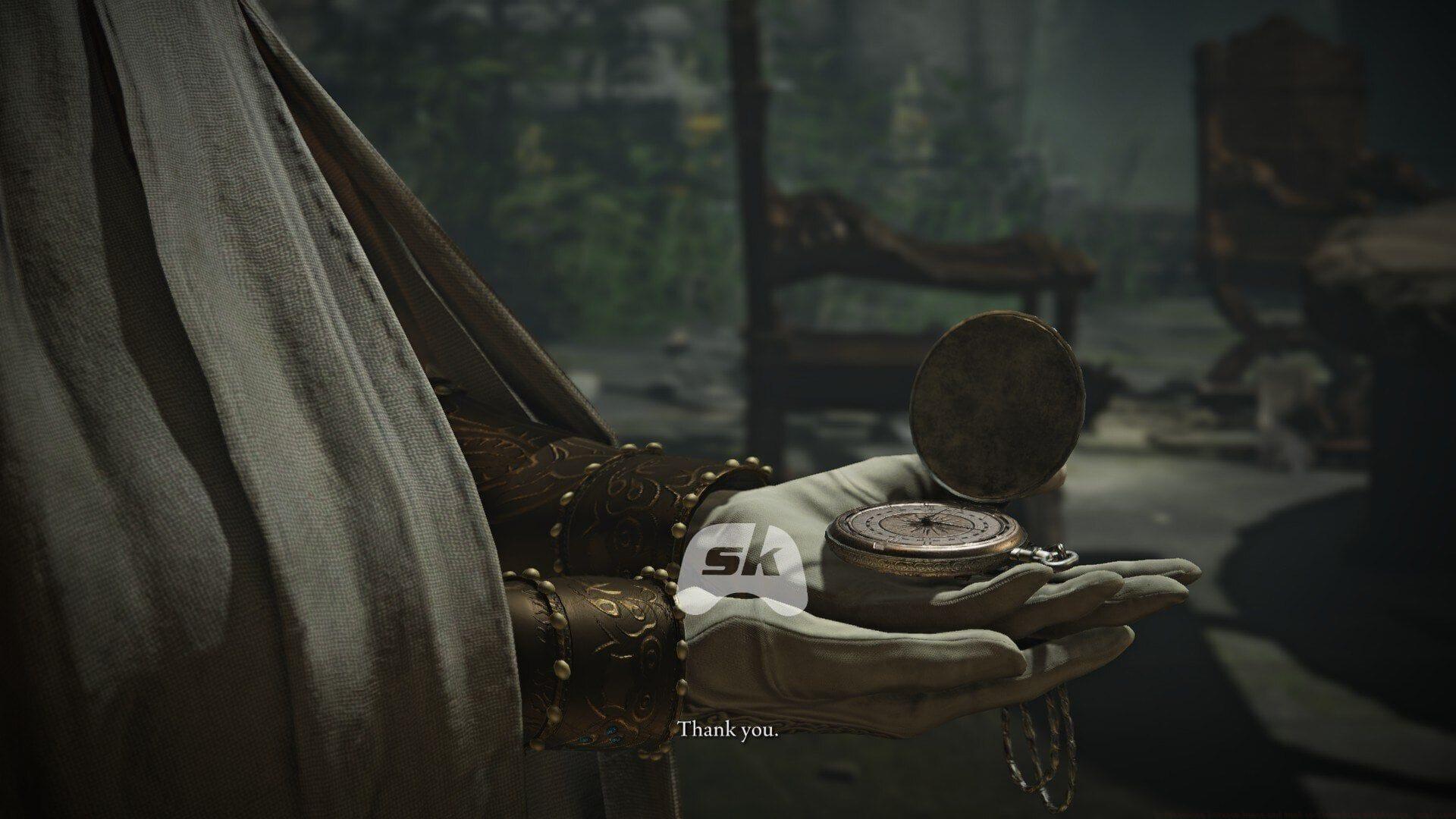
Runes function as your expedition fuel. They are earned and spent within a single run to enhance your immediate survivability and combat effectiveness. Think of them as temporary power-ups that reset with each new expedition. Their volatile nature creates a high-stakes economy where death carries severe consequences.
Murk introduces a parallel progression layer focused on permanent advancement. Completely detached from in-run leveling, it accumulates safely between expeditions at the Roundtable Hold. This currency represents your guaranteed progress, rewarding both successful completions and valiant attempts, making it the bedrock of your long-term character development.
Also read: What are the beginner-friendly classes in Elden Ring Nightreign?
Acquisition & Risk Analysis: How You Earn Each Currency
The safety differential between these currencies cannot be overstated. Runes vanish upon death unless you successfully retrieve them from your bloodstain—a mechanic that punishes recklessness and rewards cautious play. This creates tense recovery scenarios where you must weigh the risk of reclaiming lost resources against the danger of losing them permanently.
Conversely, Murk carries zero risk of loss. Whether you triumph over a boss or fall to common mobs, you return to the Hold with your earned Murk intact. This safety net provides psychological comfort and ensures that every expedition, no matter how disastrous, contributes to your overarching progression.
Acquisition pace follows opposite rhythms. You’ll gather hundreds to thousands of Runes per expedition through active combat, exploration, and looting. Their flow is immediate and responsive to your aggression. In co-op, this system rewards team coordination and map coverage—every enemy felled by any squad member boosts the shared Rune pool, encouraging tactical separation for maximum farming efficiency.
Murk acquisition is entirely post-expedition. You receive a lump sum based on your performance: completion depth, bosses defeated, and objectives achieved. There’s no mid-run grinding. You can supplement your earnings by selling unwanted Relics at the Relic Rites menu, but this represents a trade-off rather than farming. This deliberate scarcity elevates Murk’s strategic value.
Common Mistake: New players often undervalue Murk because it doesn’t provide immediate combat feedback. They focus exclusively on Rune farming, neglecting the long-term unlocks that Murk enables. Another frequent error is selling Relics too eagerly for Murk without considering future build synergies.
Strategic Spending: Maximizing Value for Both Currencies
Spending ecosystems are completely segregated. Runes are allocated toward gameplay survival: stat buffs at sites of grace, essential consumables, and temporary enhancements that help you survive the current run. Prioritize spending Runes on upgrades that directly address your immediate challenges—don’t hoard them, as they’re lost upon death anyway.
Murk unlocks permanent assets at the Small Jar Bazaar. This includes cosmetic skins (like the coveted Darkness Outfits), hold-based utility upgrades, and other progression markers. Some premium cosmetics command prices up to 35,000 Murk, requiring dedicated saving across multiple expeditions. While Runes help you conquer bosses, Murk investments define your visual identity and quality-of-life improvements.
Spending Priority Guide: For Runes, always prioritize stat increases that patch your build’s weaknesses during a run. For Murk, research unlock trees before spending—some cosmetic paths lead to functional upgrades. A recommended strategy is to allocate 70% of earned Murk toward targeted long-term goals and 30% toward immediate, affordable quality-of-life purchases to maintain motivation.
A crucial systemic difference: you cannot vend items for Runes. The game removes this traditional shop option, forcing you to earn Runes through combat and exploration alone. However, the Relic Rites menu’s Sell tab allows converting unwanted Relics into Murk, creating an important resource conversion channel. This asymmetrical design emphasizes each currency’s intended acquisition method.
Advanced Resource Management & Optimization
Relic liquidation requires careful strategy. While selling Relics at Relic Rites yields a few hundred Murk apiece (more for rare finds), this action is irreversible. Critical consideration: A Relic that seems useless for your current build might become essential later. Before selling, ask: Does this complement any playstyles I might try? Does it have unique effects that could enable niche builds? When in doubt, store rather than sell.
Co-op Economic Synergy: Coordinate with teammates to maximize both currencies. Designate one player as a ‘Rune runner’ who focuses on rapid enemy clearance while others pursue objectives. This maximizes shared Rune gains. However, remember that squad survival directly impacts Murk bonuses—don’t sacrifice team cohesion for marginal Rune increases.
Progression Planning: Map your Murk spending against expected playtime. If you play sporadically, focus on cheaper unlocks that provide immediate satisfaction. For dedicated players, saving for high-cost items like the 35,000 Murk skins becomes feasible. Track your average Murk per expedition to forecast when you’ll reach target amounts.
Optimization Tip: Early expeditions should prioritize Murk accumulation over Rune hoarding. Secure key permanent unlocks first, as they’ll make subsequent runs more efficient. Once you have essential hold upgrades, you can shift focus to aggressive Rune farming for challenging late-expedition content.
Check out more articles on the game:
- All major map locations in Elden Ring Nightreign
- How to emote in Elden Ring Nightreign
- How to access the training area in Elden Ring Nightreign
- Elden Ring: Nightreign day-night cycle explained
- How to play Ironeye in Elden Ring: Nightreign
- What happens when you die in Elden Ring Nightreign?
- Elden Ring: Nightreign Fatal Error and Black Screen issue: Potential fixes to try
- Is there a photo mode in Elden Ring: Nightreign?
- What are Remembrances in Elden Ring: Nightreign?
- Elden Ring Nightreign: How to find the Secret of the Mountaintop
- Is there fall damage in Elden Ring Nightreign?
No reproduction without permission:Tsp Game Club » Differences between Runes and Murk in Elden Ring Nightreign, explained Master Elden Ring Nightreign's dual economy: strategic guide to Runes vs. Murk for survival and progression