
Strategic guide to Elden Ring Nightreign’s most accessible classes with practical tips and beginner strategies
Introduction to Nightreign Character Selection
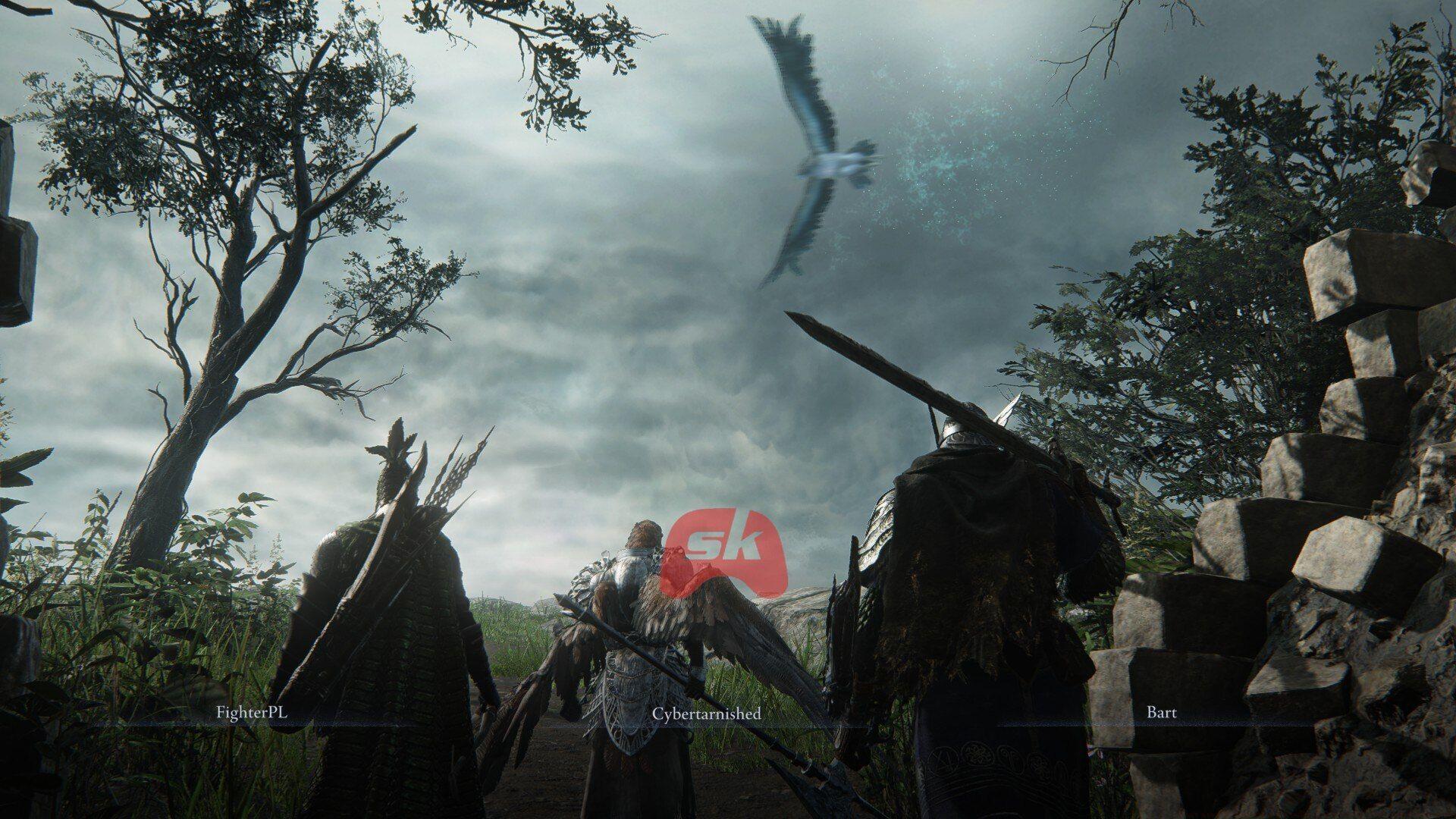
Choosing your starting Nightfarer in Elden Ring Nightreign represents one of the most critical decisions affecting your entire gameplay experience. While eight distinct characters await selection, only four provide the forgiving mechanics and straightforward playstyles that genuinely accommodate newcomers. These beginner-friendly classes not only simplify the learning curve but also incorporate built-in safety nets that compensate for the inevitable mistakes occurring during your initial adventures through this challenging expansion.
Understanding Nightreign’s unique mechanics requires recognizing how each class interfaces with the game’s demanding combat system. Unlike traditional Souls games, Nightreign introduces specialized passive abilities and team-oriented skills that dramatically alter gameplay dynamics. The optimal beginner choices balance survivability, damage output, and mechanical simplicity to ensure you can focus on learning core game mechanics without excessive frustration.
Wylder: The Balanced Survivalist
Wylder stands as arguably the most forgiving starting option, featuring the remarkable Sixth Sense passive ability that essentially grants a second chance by cheating death once per encounter. This safety net proves invaluable when learning boss patterns or experimenting with risky maneuvers. His skill set emphasizes simplicity and integration with standard combat flow, requiring minimal technical execution while delivering consistent performance.
The gap-closing mechanic represents Wylder’s standout tactical advantage, allowing him to either pull smaller enemies toward his position or launch himself toward larger targets. This mobility tool dramatically simplifies positioning during chaotic boss battles where constant movement creates challenging engagement opportunities. Mastering this ability early will significantly enhance your survival rates against mobile adversaries.
Wylder’s ultimate ability delivers a straightforward high-damage area blast that substantially depletes enemy health bars while breaking poise meters. The primary consideration involves his preference for Greatswords, which deliver impressive damage at the cost of slower attack animations. New players should practice timing these heavier weapons against training dummies before engaging serious threats.
Advanced Tip: Combine Sixth Sense with defensive talismans to create multiple safety layers. Time your gap-closer after enemy attack animations to maximize punish windows. Experiment with different Greatsword move sets to find your preferred attack rhythm.
Guardian: The Immovable Fortress
Guardian redefines defensive gameplay through his Steel Guard passive, which dramatically enhances blocking efficiency while minimizing stamina consumption. This makes him the definitive tank option for players who prefer methodical, position-based combat over reactive dodging. His ability to absorb tremendous damage transforms encounters into strategic battles of attrition rather than twitch-reaction tests.
The most significant adjustment for Guardian players involves adapting to his complete inability to perform dodge rolls. This departure from traditional Soulsborne mechanics requires developing new defensive instincts centered around shield positioning and stamina management. Successful Guardian play demands understanding enemy attack patterns to determine when to block, when to counter-attack, and when to reposition without rolling.
His Whirlwind skill provides essential crowd control by pulling smaller enemies into a concentrated area, simplifying multi-target engagements. The utility-focused ultimate sees him leap skyward, providing damage protection for allies before crashing down with area-of-effect impact. This combination of defensive and supportive capabilities makes Guardian invaluable in cooperative play scenarios.
Common Mistake: New Guardians often overcommit to blocking and exhaust their stamina. Learn to balance between holding your guard and releasing it to regenerate stamina faster. Position yourself to protect ranged allies while maintaining awareness of environmental hazards.
Ironeye: The Tactical Archer
Ironeye specializes in consistent ranged damage delivery through his unlimited arrow supply, allowing sustained pressure without resource management concerns. This ranged focus provides safer engagement options ideal for players still mastering enemy behavior patterns. Think of him as a mobile artillery platform that trades close-quarters prowess for positional advantage.
His marking ability identifies vulnerable weak points on enemies, represented by visible “X” markers that yield bonus damage when struck. This mechanic rewards precision and target prioritization, making Ironeye particularly effective against large, slow-moving bosses with clearly defined critical spots. His ultimate delivers a powerful charged arrow shot perfect for eliminating high-priority targets or clearing grouped enemies.
The loot-finding passive provides valuable quality-of-life benefits for entire parties, increasing the frequency of valuable item discoveries during exploration. However, Ironeye’s fragility demands constant positional awareness, as bosses frequently target the highest damage-dealing party member regardless of distance. Maintaining optimal engagement range while monitoring threat levels becomes essential survival skills.
Positioning Strategy:
Maintain diagonal approaches to bosses rather than straight-line distancing. Use environmental obstacles to break line-of-sight when targeted. Coordinate with melee allies to create safe firing lanes while they maintain aggro control.
Raider: The Aggressive Brawler
Raider embodies aggressive close-quarters combat through his damage-rewarding passive that enhances survivability proportional to damage taken. This unique mechanic encourages bold engagement styles where calculated risk-taking yields combat advantages. His straightforward approach appeals to players who prefer action-oriented gameplay over technical precision requirements.
The fire-enchanted starter weapon provides early-game advantages against many common enemies vulnerable to flame damage. This elemental advantage simplifies initial progression while you acclimate to Nightreign’s combat rhythm. His tombstone summon serves multiple tactical purposes, functioning as both a defensive barrier against powerful attacks and an elevated platform for ranged allies.
Beyond personal combat effectiveness, Raider provides team-wide benefits through poise enhancement and stamina regeneration auras emanating from his tombstone. This supportive dimension makes him valuable in group compositions despite his straightforward individual playstyle. His uncomplicated mechanics allow focus on fundamental combat principles without complex ability rotations.
Optimization Tip: Time your tombstone deployment to block predictable heavy attacks from bosses. Use the elevation it provides to give allies better firing positions. Combine your fire damage with oil pots for significantly increased damage output against vulnerable targets.
Advanced Beginner Strategies
Beyond class selection, several strategic considerations dramatically impact your Nightreign success rate. First, always prioritize learning enemy attack patterns over dealing damage—survival consistently outweighs aggression for newcomers. Each death provides learning opportunities if you analyze what caused the failure and adjust your approach accordingly.
Common beginner mistakes include over-committing to attack chains, ignoring environmental advantages, and neglecting team synergy in cooperative play. Wylder players frequently waste their Sixth Sense passive through careless positioning, while Guardian users often mismanage stamina by blocking unnecessarily. Ironeye beginners typically position themselves at maximum range, making evasion more difficult when targeted.
Progression optimization involves focusing on stat distributions that complement your chosen class’s strengths rather than attempting balanced builds. Wylder benefits from vigor and strength, Guardian needs endurance above all, Ironeye prioritizes dexterity and awareness, while Raider thrives with vigor and endurance investments. Weapon upgrade materials should focus on your primary weapon rather than distributed experimentation.
Team composition considerations become crucial for cooperative play. Balanced groups containing one Guardian for protection, one Raider for aggression, one Ironeye for ranged damage, and one Wylder for flexibility typically achieve the best results. Communication about skill timing and target focus separates successful teams from struggling groups.
No reproduction without permission:Tsp Game Club » What are the beginner-friendly classes in Elden Ring Nightreign? Strategic guide to Elden Ring Nightreign's most accessible classes with practical tips and beginner strategies