A comprehensive guide to identifying and reporting Bussing in Marvel Rivals, with practical detection strategies and step-by-step reporting procedures
Introduction: What Exactly is Bussing in Marvel Rivals?
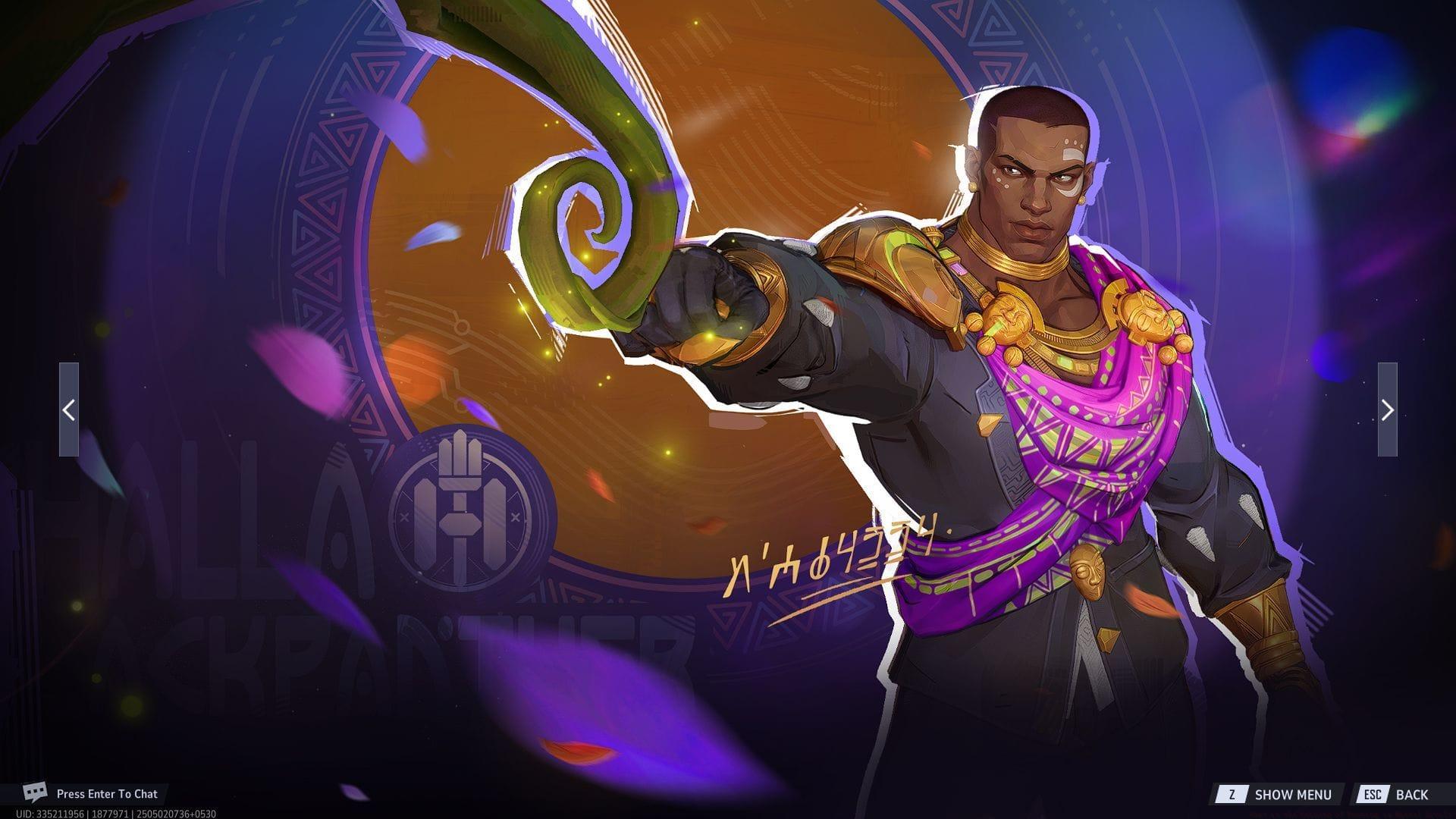
This article explains Bussing in Marvel Rivals (Image via NetEase Games)
This article explains Bussing in Marvel Rivals (Image via NetEase Games)
Bussing in Marvel Rivals represents a specific form of competitive integrity violation that goes beyond individual cheating. While the term might initially confuse players unfamiliar with competitive gaming terminology, it describes a coordinated effort where players deliberately team up with known cheaters to artificially inflate their rank progression. This collusion undermines the fairness of ranked matches by creating uneven playing fields where skill-based competition becomes impossible.
Looking for Crossword hints & solutions? Check out latest NYT Mini Crossword Answers, LA Times Crossword Answers, and Atlantic Crossword Answers
Following an email request to NetEase for clarification on the meaning of the word by a player, the developers provided official confirmation that Bussing specifically refers to players who knowingly queue with cheaters to gain unfair ranking advantages. This clarification establishes that NetEase recognizes this as a distinct violation category separate from standard cheating offenses.
Also read: Marvel Rivals ranking system and ranked mode explained
Understanding Bussing is particularly important for players invested in Marvel Rivals’ competitive ecosystem. Unlike random cheating incidents, Bussing represents a calculated exploitation of the matchmaking system that can create persistent unfair matchups. Players who engage in Bussing typically seek to minimize their personal risk while maximizing rank gains, often rotating between different cheater accounts to avoid detection patterns.
Detecting Bussing: How to Spot Cheating Collusion
Identifying Bussing activity requires a two-tiered approach: first detecting the primary cheater, then recognizing their coordinated teammates. This process demands careful observation during matches and understanding of common cheating indicators.
Primary Cheater Identification Markers:
Unreal kill cams: Authentic human gameplay includes micro-adjustments, hesitation moments, and occasional misses. Cheaters demonstrate unnaturally smooth tracking, instantaneous reaction times, and perfect prediction of enemy movements through walls or obstacles. Pay particular attention to whether their crosshair movement appears to “snap” to targets or follows inhumanly smooth trajectories.
Inhuman movement: Legitimate players exhibit momentum-based movement with natural acceleration and deceleration. Cheated movement often appears twitchy yet perfectly efficient, with instant direction changes, perfect strafe patterns, and unnatural positioning that consistently avoids line-of-sight disadvantages. Watch for characters moving at constant maximum speed without acceleration phases.
Confessions in chat: While less common, some cheaters openly boast about their activities or respond defensively when accused. More subtly, pay attention to players who make suspicious claims about “game sense” or “prediction” that consistently match what would require wallhack information.
Collusion Detection Strategies:
Once you suspect a primary cheater, monitor their teammates for these Bussing indicators:
Consistent proximity: Bussed players frequently position themselves to benefit from the cheater’s unfair advantages, such as following them for easy cleanup kills or staying in perfect support positions that would require impossible game awareness.
Defensive behavior: When the cheater is called out, genuine teammates typically express frustration or confusion. Bussed collaborators often remain conspicuously silent, deflect accusations, or make implausible excuses for the cheating behavior.
Statistical anomalies: Check post-match statistics for players with unusually high assist counts, survival rates, or damage output that correlate suspiciously with the suspected cheater’s performance peaks.
Advanced Detection Technique: If you’re on the opposing team, strategically call out the suspected cheater in public chat while observing teammate reactions. Legitimate players typically distance themselves or express concern, while Bussing collaborators often remain silent or offer weak defenses. This social engineering approach can reveal collusion patterns that gameplay alone might not show.
Also read: How to run a performance benchmark in Marvel Rivals
Common Detection Mistakes to Avoid: Don’t mistake skilled play for cheating—high-level players can sometimes appear suspiciously good. Look for consistency across multiple engagements rather than isolated impressive moments. Also, avoid immediately assuming premade teams are Bussing—coordination from legitimate practice can resemble collusion. Instead, focus on whether their coordination leverages information that shouldn’t be available without cheating.
Step-by-Step Reporting Guide
Marvel Rivals provides multiple reporting pathways designed to accommodate different gameplay situations. Whether you need to report immediately during a match or prefer to review evidence afterward, follow these structured approaches.
In-Game Reporting Process (During Active Matches):
Access the scoreboard: Press Tab (PC) or equivalent menu buttons on console to display the current match scoreboard with all player listings.
Select the suspicious player: Click directly on the player’s name from the scoreboard interface to open their contextual action menu.
Initiate report: Choose the “Report Player” option from the available actions, which will open the reporting interface with violation categories.
Specify violation type: Select “Bussing” from the list of report reasons. This specific categorization helps NetEase’s moderation team properly classify and investigate collusion cases separately from individual cheating incidents.
Add context when possible: Use any available description fields to note specific behaviors observed, such as “consistently following suspected cheater” or “defending obvious cheating in chat.”
Post-Match Reporting Method (Through History Review):
Navigate to profile menu: From the main menu, click your profile icon located in the top-right corner of the interface.
Access match history: Select the “History” tab to view your recent matches, including completed games where you suspect Bussing occurred.
Locate the specific match: Scroll through your match history to find the relevant game, then open the expanded scoreboard view for that match.
Report from history: Click on the suspected player’s name from the historical scoreboard to access the same reporting options available during live matches.
Reporting Best Practices:
Report both parties: When confirming Bussing, report both the primary cheater AND their collaborating teammate(s) separately with “Bussing” as the reason for each.
Include timestamps: Note approximate match times when particularly obvious incidents occurred, which helps investigators review the relevant gameplay segments.
Avoid harassment: Never use reporting as retaliation for skilled play or personality conflicts—false reports undermine the system’s effectiveness for everyone.
Follow up if necessary: While Marvel Rivals doesn’t provide individual report outcomes, consistent reporting of the same players across multiple matches increases investigation priority.
Also read: How to link Marvel Rivals to Twitch
What Happens After Reporting: NetEase’s security team reviews reports against gameplay data, chat logs, and statistical patterns. Confirmed Bussing violations typically result in ranked resets, temporary suspensions, or permanent bans depending on severity and history. The reporting system’s effectiveness depends on accurate, specific reports that distinguish between Bussing and other violation types.
Proactive Anti-Bussing Strategies
Beyond reactive reporting, players can adopt proactive approaches to minimize Bussing’s impact on their Marvel Rivals experience and contribute to broader community solutions.
Preventative Measures for Personal Gameplay:
Monitor your teammates: If you suspect you’ve been randomly matched with a cheater, consciously avoid benefiting from their unfair advantages and consider reporting them post-match regardless of whether you win.
Document suspicious encounters: Use external recording software or replay features when possible to capture compelling evidence of Bussing behavior for more detailed reports.
Queue at varied times: Bussing players often operate during specific hours when moderation coverage might be lower—varying your play schedule can reduce repeated encounters with the same exploiters.
Community Monitoring Approaches:
Organized community efforts significantly enhance anti-Bussing effectiveness:
Share information responsibly: Community forums and Discord servers can help identify persistent Bussing groups without resorting to public shaming that violates terms of service.
Support legitimate content creators: Cheating and Bussing undermine the competitive scene that content creators rely on—supporting authentic skilled players helps maintain healthy ecosystems.
Participate in official feedback: Provide constructive suggestions to NetEase about improving detection systems through official channels when opportunities arise.
Long-Term Game Health Considerations:
Bussing represents a threat to Marvel Rivals’ competitive longevity. Each successful report contributes to:
Improved detection algorithms: Reported cases provide data that helps NetEase refine automated detection systems for future prevention.
Community trust maintenance Consistent enforcement demonstrates commitment to fair play, encouraging continued player investment.
Ecosystem balance: Reducing Bussing helps ensure ranking systems accurately reflect skill, making competitive progression meaningful for all players.
This term may be unfamiliar to many Marvel Rivals players, but understanding Bussing is essential for anyone invested in fair competition. As cheating evolves in online gaming, so must community awareness and response strategies.
Given that coordinated cheating exploits represent particularly damaging threats to competitive integrity, having specific reporting mechanisms for Bussing represents a positive step toward ecosystem health. When you encounter suspicious collusion, remember that it undermines everyone’s experience—not just your current match. Your vigilant reporting contributes directly to maintaining the quality of Marvel Rivals’ competitive environment.
Also read: Marvel Rivals error code 220
Follow Sportskeeda for more updates:
Hero balance adjustments in Marvel Rivals update (June 19, 2025)
All upcoming leaked characters in Marvel Rivals Season 3
How to get Binary Fist skin for Iron Fist in Marvel Rivals