
TL;DR
- Heroes level up through faction cards, unlocking game-changing abilities at levels 2 and 3
- Strategic battlefield positioning and mana management are crucial for victory
- Catenians with On Play/Death effects create powerful combo opportunities
- Relics transform your Hero from passive leader to active combatant
- Proper trap placement and spell timing can completely shift game momentum
What Is This Sorcery (WITS) revolutionizes the trading card game landscape by blending strategic depth from established titles with innovative mechanics that demand active battlefield participation. Unlike traditional TCGs where your leader remains passive, WITS positions your Hero as a frontline combatant fighting alongside summoned units called Catenians. This creates dynamic, fast-paced matches where every decision carries immediate consequences.
Each player constructs a precisely curated 40-card deck aligned with their chosen faction, led by a Hero that begins with 0 Attack and 40 Health Points. The primary victory condition involves reducing your opponent’s Hero HP to zero, though alternative win conditions exist through deck exhaustion. Heroes evolve throughout matches, gaining levels by deploying faction-specific cards. Reaching Level 2 and Level 3 unlocks progressively more powerful passive abilities, with the final evolution often providing match-defining advantages that can completely shift game momentum.
Resource management forms the foundation of WITS strategy. Players start with 2 mana crystals, gaining one additional crystal each turn. Crucially, unlike some contemporary card games, unused mana doesn’t carry over between turns, making efficient resource allocation essential. The battlefield features seven strategic positions, with one permanently occupied by your Hero, leaving six slots available for Catenian deployment. Positioning significantly impacts gameplay, as numerous card abilities interact with adjacency and placement, adding sophisticated tactical considerations to every summoning decision.

Gameplay revolves around four core actions: summoning Catenians, casting Sorcery spells, equipping Relics, and setting tactical traps. Since Heroes actively engage in combat, Relics become particularly valuable, enabling direct attacks or providing sustained buffs. This creates intensely interactive battles where proper sequencing and anticipation of opponent moves separate skilled players from novices. Understanding these fundamental mechanics provides the foundation for advanced strategic development.
WITS features four distinct card categories, each serving unique strategic purposes. Mastering their interactions and optimal deployment timing forms the core of competitive gameplay.
Heroes represent your deck’s foundation and identity. They don’t count toward the 40-card limit but function as both strategic leaders and active battlefield participants. Every Hero possesses a passive ability that enhances at Levels 2 and 3, achieved by playing faction-aligned cards. The Level 3 transformation typically unlocks devastating capabilities that can single-handedly dictate match outcomes. Strategic consideration of your Hero’s evolution timeline is essential—rushing toward that power spike versus maintaining board control requires careful balancing.

Catenians constitute your primary fighting force—summonable units that battle alongside your Hero. Each possesses unique statistics and abilities categorized as On Play effects (activated upon summoning), On Death triggers (activating when destroyed), or protection capabilities (shielding other units from attacks). Advanced players leverage Catenian synergies to create powerful combo chains, while understanding optimal trading scenarios in combat separates intermediate from expert competitors. Positioning Catenians to maximize their abilities while protecting your Hero requires spatial awareness and predictive planning.

Relics represent equipment that attaches to either Heroes or Catenians, providing stat enhancements, persistent passive effects, or enabling Heroes to attack directly. While reminiscent of weapon systems in other TCGs, WITS Relics offer substantially greater variety—some focus on offensive capabilities, while others enhance defensive durability, provide healing, or accelerate resource generation. The strategic depth comes from matching Relics to your current board state and anticipated opponent moves. Equipping the wrong Relic at a critical moment often proves more detrimental than beneficial.
Sorcery spells deliver game-altering impact through single applications. These magical effects range from buffing your units and dealing direct damage to drawing additional cards or generating temporary mana advantages. Unlike persistent units and Relics, Sorcery represents one-time resource investments, making timing absolutely critical. Burning spells too early can leave you resource-starved during crucial turns, while hoarding them excessively may cause missed lethal opportunities. Learning proper spell sequencing represents one of the most challenging yet rewarding aspects of WITS mastery.

Beyond understanding basic mechanics, competitive WITS play demands strategic foresight and error minimization. Many beginners struggle with resource allocation, particularly mana management in the early game. Since unused mana doesn’t carry over, inefficient turns can create insurmountable disadvantages. Advanced players recommend planning 2-3 turns ahead, anticipating both your mana curve and potential opponent responses. This forward-thinking approach prevents wasted resources and ensures you maintain tempo throughout the match.
Combat tactics represent another area where beginners frequently miscalculate. Understanding value trades—exchanging lower-value Catenians for higher-value opponent units—creates incremental advantages that accumulate into victory. However, overextending by committing too many resources to the battlefield leaves you vulnerable to area-of-effect Sorcery spells. The delicate balance between establishing board presence and maintaining resource flexibility defines high-level play. Learning when to apply pressure versus when to conserve resources separates ranking tiers.
Common beginner errors include fixating excessively on Hero leveling at the expense of board control, mispositioning Catenians despite their positional abilities, and inefficient Relic attachment timing. Many novices also underestimate the psychological aspect of trap placement—strategically positioned traps can dictate opponent movement and force unfavorable engagements. Additionally, proper mulligan strategies during opening hands significantly impact early game momentum. Understanding which cards to keep versus which to redraw based on your matchup requires experience but dramatically improves win rates.
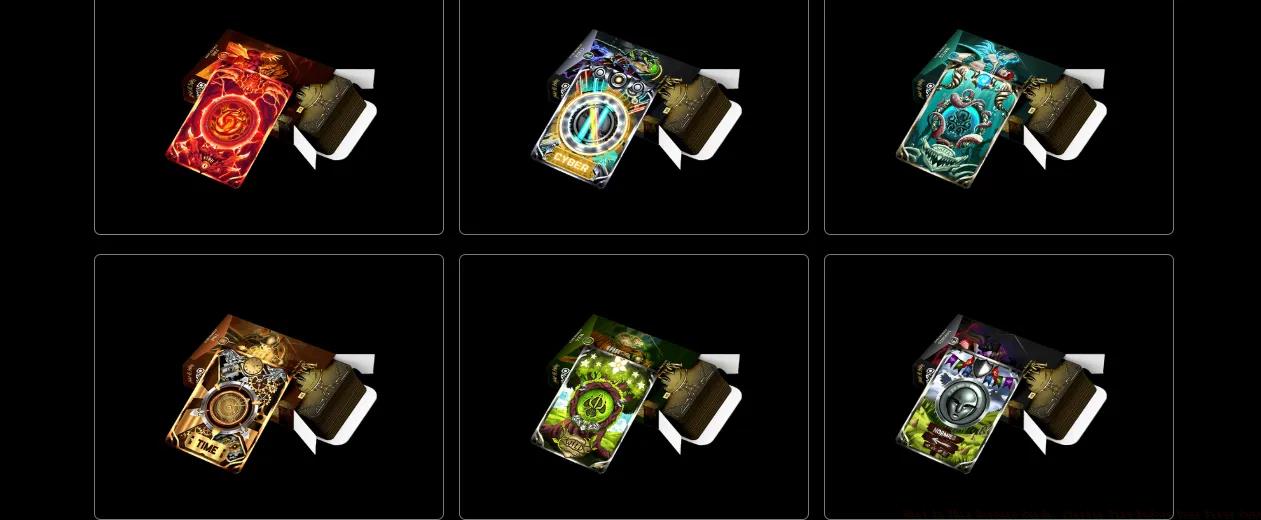
For players transitioning from other TCGs, the most significant adjustment involves the active Hero mechanic. Unlike passive leaders in games like Hearthstone, your WITS Hero requires protection while simultaneously serving as an offensive asset. This dual role creates unique strategic considerations—sometimes sacrificing Catenians to preserve Hero HP represents the correct play, while other situations demand aggressive Hero engagement. Mastering this dynamic, along with the nuanced mana system, provides the fastest path to competitive proficiency. As you explore these mechanics further, consider consulting our Class Guide for additional strategic frameworks that translate well to WITS gameplay.
Action Checklist
- Practice mana efficiency by planning 3-turn sequences during matches
- Experiment with different Hero leveling paces to understand power spike timing
- Master Catenian positioning by testing various battlefield formations
- Analyze replay losses to identify resource mismanagement patterns
- Develop matchup-specific mulligan strategies for different factions
No reproduction without permission:Tsp Game Club » What Is This Sorcery Guide: Starter Tips Before Your First Game Master What Is This Sorcery with advanced strategies, common pitfalls, and actionable deck-building techniques