
TL;DR
- Jasmium Crystals exclusively spawn in Sheol region’s irradiated water pools requiring Mk4 radiation gear
- Advanced radiation management combines Mk4 suits with iodine pills and strategic environmental awareness
- Optimal mining requires identifying central crater hazards while targeting peripheral crystal formations
- Efficient extraction demands Cutteray Mk4 with proper positioning and timing considerations
- Successful expeditions balance speed, protection, and resource gathering efficiency metrics
When progressing through Dune Awakening’s endgame content, you’ll encounter numerous crafting schematics demanding Duraluminum Ingots – high-tier components exclusively manufactured from the rare Jasmium crystals. These luminous blue minerals represent one of Arrakis’s most sought-after resources, essential for advanced weaponry, structural components, and specialized equipment. Understanding their strategic importance helps prioritize acquisition efforts within your resource gathering workflow.
These crystals function as gateway resources to elite crafting tiers, making them economically valuable for both personal use and potential trading opportunities. Unlike common minerals found throughout Arrakis, Jasmium deposits exhibit unique geological characteristics that dictate specific extraction protocols and handling requirements.
Seasoned players recognize that efficient Jasmium acquisition significantly accelerates progression through late-game content blocks. The scarcity and specific location requirements create natural bottlenecks that skilled operators can exploit through optimized gathering techniques.
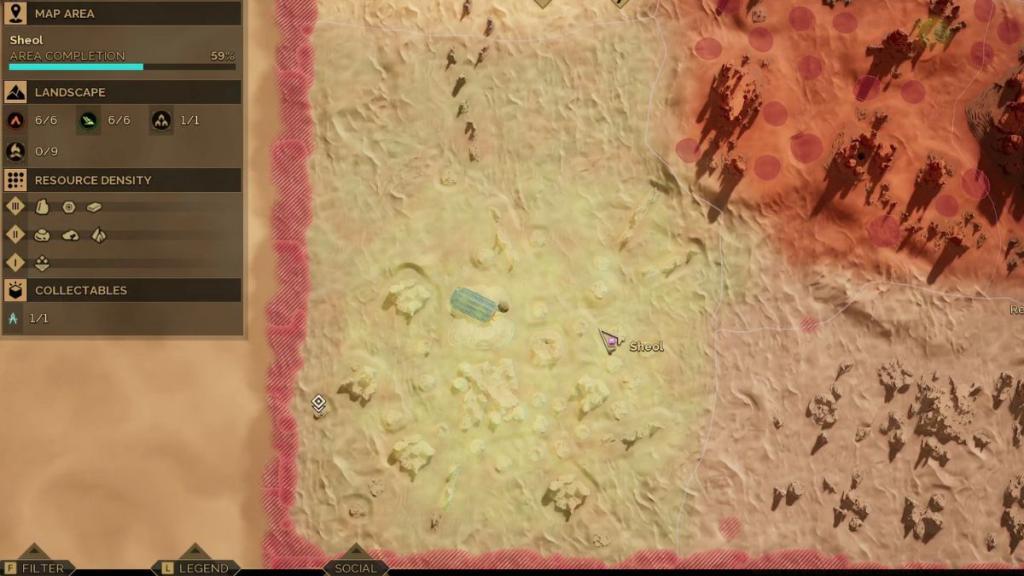
The Sheol region, positioned at the southwestern extremity of Dune Awakening’s world map, presents the exclusive harvesting zone for Jasmium crystals. This desolate wasteland immediately subjects intruders to escalating radiation exposure, creating urgent time-pressure scenarios that demand strategic movement planning. Veteran explorers recommend aerial insertion via Ornithopter to minimize ground-level radiation accumulation during approach phases.
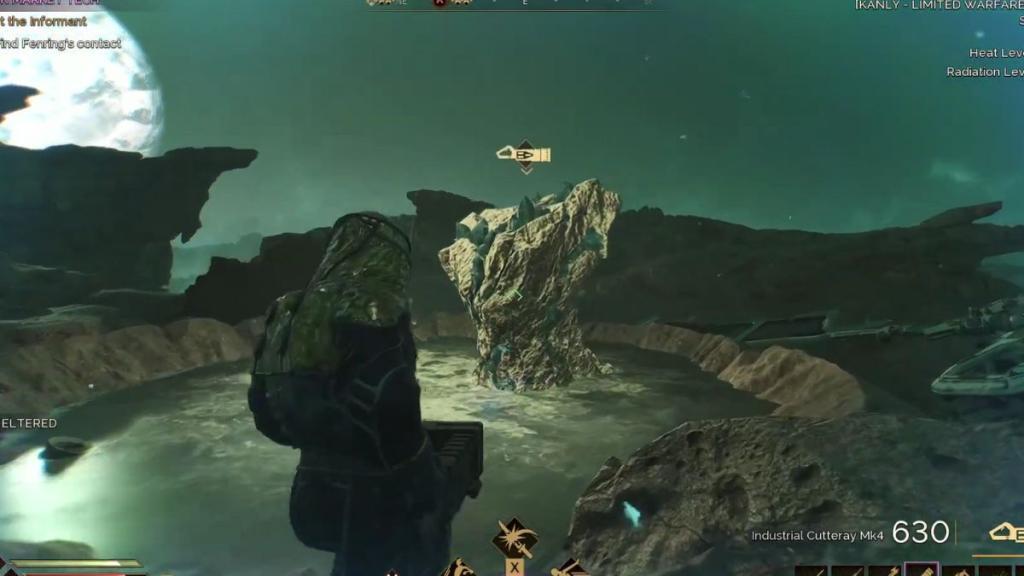
Central to Sheol’s topography lies a massive impact crater emitting extreme radiation levels – while technically containing Jasmium deposits, this zone represents a high-risk, low-efficiency harvesting location unsuitable for sustained operations. Instead, target the perimeter areas featuring distinctive small water pools with centralized rock formations that house the valuable blue crystals.
Advanced navigation tactics involve charting courses that maximize distance from the central crater while systematically scanning water features for the telltale crystalline formations. Environmental awareness proves critical – radiation hotspots often concentrate near geological anomalies and abandoned structures, requiring constant monitoring of your radiation indicator during exploration activities.
Successful operators typically establish temporary safe zones at the region’s edges where radiation levels permit brief respite periods for equipment checks and consumable administration.
Harvesting Jasmium crystals demands specialized equipment meeting stringent performance thresholds. Your primary defensive requirement involves an advanced Radiation Suit rated at minimum Mk4 specification to withstand Sheol’s intense background radiation. This protective gear creates essential survivability windows for effective crystal extraction operations.
The extraction tool requirement is equally specific – only the Cutteray Mk4 possesses sufficient cutting power and thermal management capabilities to successfully liberate Jasmium crystals from their rocky matrices. Lower-tier tools prove ineffective against the crystalline structures’ unique molecular density.
Supplement your primary protection with radiation-mitigating consumables – iodine pills offering 3% radiation reduction represent the baseline supplementation, though advanced players often stack multiple consumable types for enhanced protection. These pharmaceutical aids extend operational timelines within high-radiation zones.
Equipment preparation should include backup oxygen supplies and emergency radiation blockers for unexpected exposure scenarios. Proper gear maintenance between expeditions ensures reliability during critical harvesting operations.
Jasmium crystal identification relies on recognizing specific environmental markers – seek out small, isolated water collections with singular rock protrusions at their centers. The crystals themselves manifest as vivid blue mineral formations embedded within these central stones, often catching ambient light with distinctive refractive properties that aid visual detection.
Upon locating a viable deposit, position yourself optimally relative to both the crystal formation and prevailing radiation sources. Deploy your Cutteray Mk4 with precise angling to maximize extraction efficiency while minimizing personal exposure to environmental hazards.
Advanced extraction methodology involves systematic scanning of pool perimeters while maintaining radiation awareness. Avoid the temptation to harvest from the central crater despite its apparent abundance – the extreme radiation exposure drastically reduces operational efficiency and survivability metrics.
Seasoned miners recommend establishing harvesting patterns that methodically work outward from safe zones, progressively moving toward higher-radiation areas only after clearing peripheral deposits. This approach maximizes yield while controlling cumulative radiation absorption throughout the expedition duration.
Beyond basic radiation protection, implement comprehensive survival protocols including strategic consumable deployment timing. Administer iodine pills preemptively before entering high-radiation zones rather than reactively after exposure accumulation. This proactive approach significantly extends viable operational timelines within hazardous environments.
Constant monitoring of your radiation indicator remains non-negotiable – develop the discipline to evacuate Sheol before the indicator transitions to red warning status. Advanced players often set personal radiation thresholds at 75% of critical levels to ensure safety margins during extraction activities.
Resource management extends to expedition planning – calculate crystal requirements beforehand to minimize repeat excursions into hazardous territory. Efficient operators typically gather sufficient materials for multiple crafting projects during single expeditions through optimized route planning and time management.
Post-expedition procedures should include decontamination protocols and equipment integrity verification before subsequent forays. This maintenance discipline prevents equipment failures during critical operations.
Mastering Jasmium crystal acquisition represents a significant milestone in Dune Awakening progression. For comprehensive guidance on other advanced gameplay systems, consult our Complete Guide to strategic resource management.
Action Checklist
- Acquire and verify Radiation Suit Mk4 and Cutteray Mk4 functionality
- Craft iodine pills and establish consumable deployment strategy
- Plot Ornithopter insertion route to Sheol’s perimeter zones
- Systematically scan water pool formations while monitoring radiation levels
- Execute systematic crystal extraction maintaining safe radiation thresholds
- Evacuate before radiation indicator reaches 75% critical level
No reproduction without permission:Tsp Game Club » Where to Find Jasmium Crystals in Dune Awakening Master Jasmium Crystal hunting in Dune Awakening with advanced survival tactics and expert mining strategies