
TL;DR
- Skyborn might fuels all special abilities and generates through specific weapon combos and perfect dodges
- Light attacks build combos while heavy attacks focus on posture damage for obliterate opportunities
- Spells consume significant skyborn might but provide powerful battlefield control and damage options
- Madness mechanics introduce risk-reward gameplay with temporary power boosts at a cost
- Weapon trees and customization allow for specialized builds tailored to your playstyle
Master Wuchang’s intricate combat systems requires understanding how weapon arts, magic, and madness mechanics interconnect to create a dynamic fighting experience. This comprehensive guide provides advanced strategies for optimizing your approach to both human adversaries and monstrous threats.
Wuchang: Fallen Feathers features a sophisticated combat framework that rewards players who master its interconnected systems. Whether you prefer dual blades for rapid strikes or feathering spells for ranged dominance, comprehending how skyborn might, madness states, and weapon progression synergize will dramatically enhance your combat effectiveness against all enemy types.
The combat ecosystem centers around skyborn might – your primary resource pool for executing weapon arts, casting spells, and activating discipline skills. Unlike conventional mana systems, skyborn might generates through specific combat maneuvers, establishing a rhythmic interplay between offensive actions and resource accumulation that demands strategic awareness.
Monitor the blue feather indicators that materialize when accumulating skyborn might. These visual cues stack to a maximum of five and power all your specialized combat abilities.
Skyborn might manifests as feather icons within your interface display, with different abilities requiring specific resource investments. Most weapon arts expend two feathers, while potent spells can demand up to four, requiring careful resource allocation during extended engagements.
Primary generation methods for skyborn might encompass multiple combat actions. Connecting combo sequences with your equipped weapon gradually builds reserves, while executing perfectly timed dodges by evading through enemy attacks at the precise moment also contributes significantly. Certain weapon arts provide partial skyborn might refunds upon successful impact with targets. Additionally, single-handed sword users benefit from the Biting Time passive ability, enabling consistent resource generation over duration.
The cornerstone of sustained skyborn might management involves internalizing your weapon’s unique rhythm. Practice combo patterns to consistently land the skyborn-generating strikes while maintaining offensive pressure. Advanced players should note that different weapon types generate resources at distinct combo points – dual blades accumulate on the fourth hit, while long swords build on the second strike, requiring adaptation of your attack sequencing.
Your light attacks establish combat foundation through five-hit chain sequences, with combos resetting to the third attack upon completion. This pattern enables sustained pressure while building resources for special abilities.
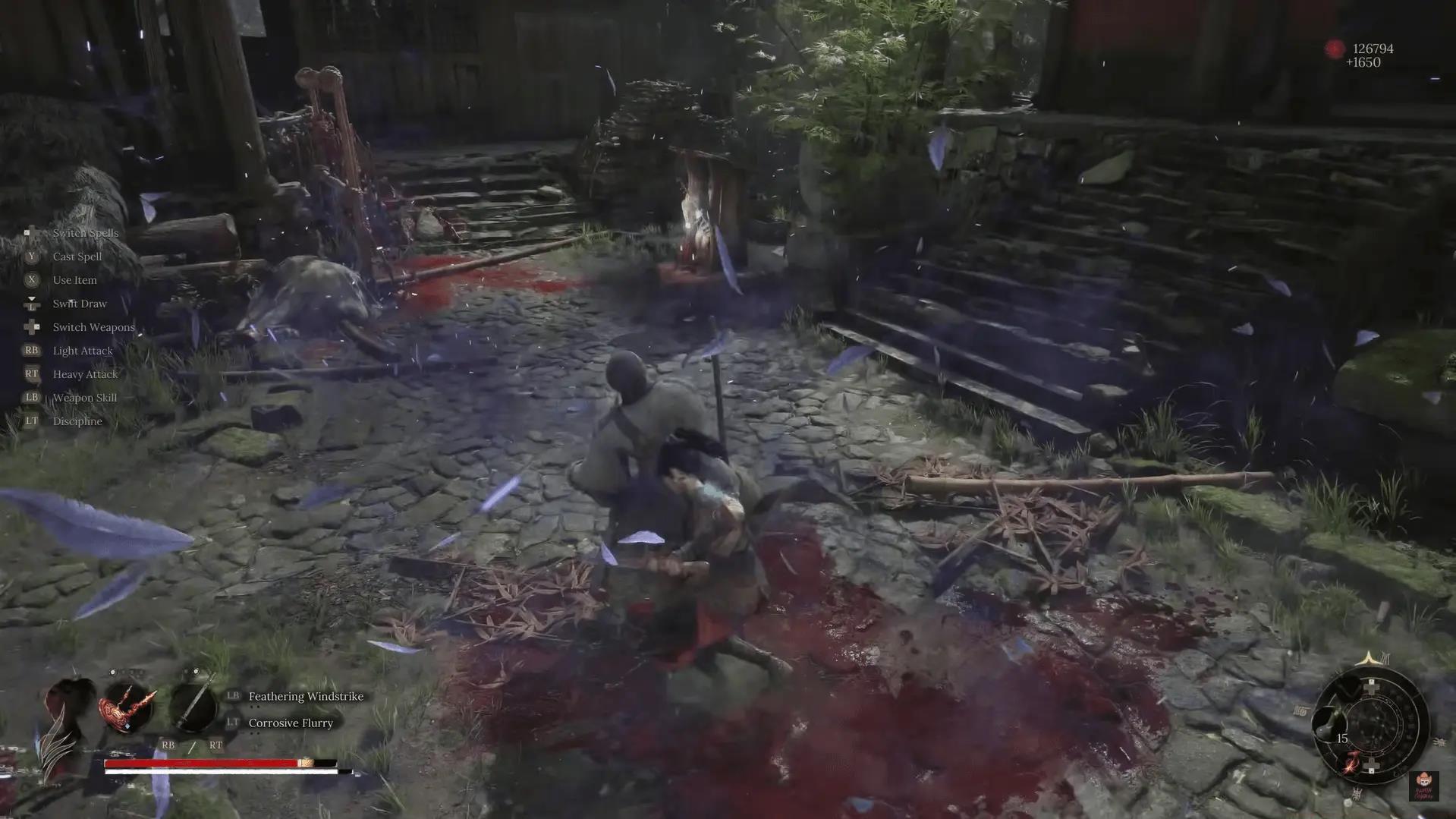
Light assaults form the backbone of offensive pressure, creating essential combo chains that enable follow-up techniques. Heavy attacks serve distinct tactical purposes as they excel at accumulating enemy posture damage and preparing obliterates – critical finishing maneuvers that can turn battle momentum.
Understanding the nuanced relationship between light and heavy attacks separates novice fighters from masters. Light combos generate skyborn might efficiently while maintaining mobility, whereas heavy strikes sacrifice speed for significant posture disruption. The most effective combatants seamlessly transition between these attack types based on enemy vulnerabilities and resource requirements.
Blocking, dodging and countering mechanics provide essential defensive options that complement your offensive arsenal. Perfect blocks executed just before impact can create opening for immediate counter-attacks, while well-timed dodges not only avoid damage but contribute to your skyborn might reserves. Advanced techniques include dodge-canceling certain attack animations to maintain fluidity and respond to unexpected enemy behaviors.

Wuchang: Fallen Feathers Combat Mechanics Guide
Spellcasting in Wuchang represents a high-investment, high-reward combat approach that consumes substantial skyborn might reserves. Feathering spells range from offensive projectiles to defensive barriers and crowd control effects, each requiring strategic deployment timing.
How spells function within combat ecology involves careful resource calculus. Basic spells might consume two skyborn feathers, while ultimate abilities can demand your entire resource pool. Successful spellcasting requires anticipating enemy movements and conserving resources for critical moments rather than spamming abilities indiscriminately.

Madness mechanics introduce a risk-reward dimension to combat encounters. As you engage enemies and utilize certain abilities, your madness meter gradually fills, eventually triggering temporary enhanced states with both benefits and drawbacks. Managing madness becomes crucial for maximizing damage output while mitigating associated risks.
How madness operates involves balancing empowerment against control. At lower madness levels, you gain modest damage increases and unique abilities, while higher states provide significant power spikes at the cost of reduced defense or control impairment. Learning to manipulate your madness threshold separates tactical players from reckless ones.
Upgrading and customizing weapons allows for specialized buildcrafting tailored to your preferred playstyle. Enhancement systems include base damage improvements, special effect additions, and scaling adjustments that complement specific skill tree investments. Understanding upgrade material requirements and optimal enhancement paths ensures efficient character progression.

Weapon customization extends beyond simple stat improvements, enabling players to create specialized tools for specific combat scenarios. Elemental affinities, status effect applications, and unique weapon arts can be enhanced through strategic upgrading, allowing for personalized approaches to challenging encounters.
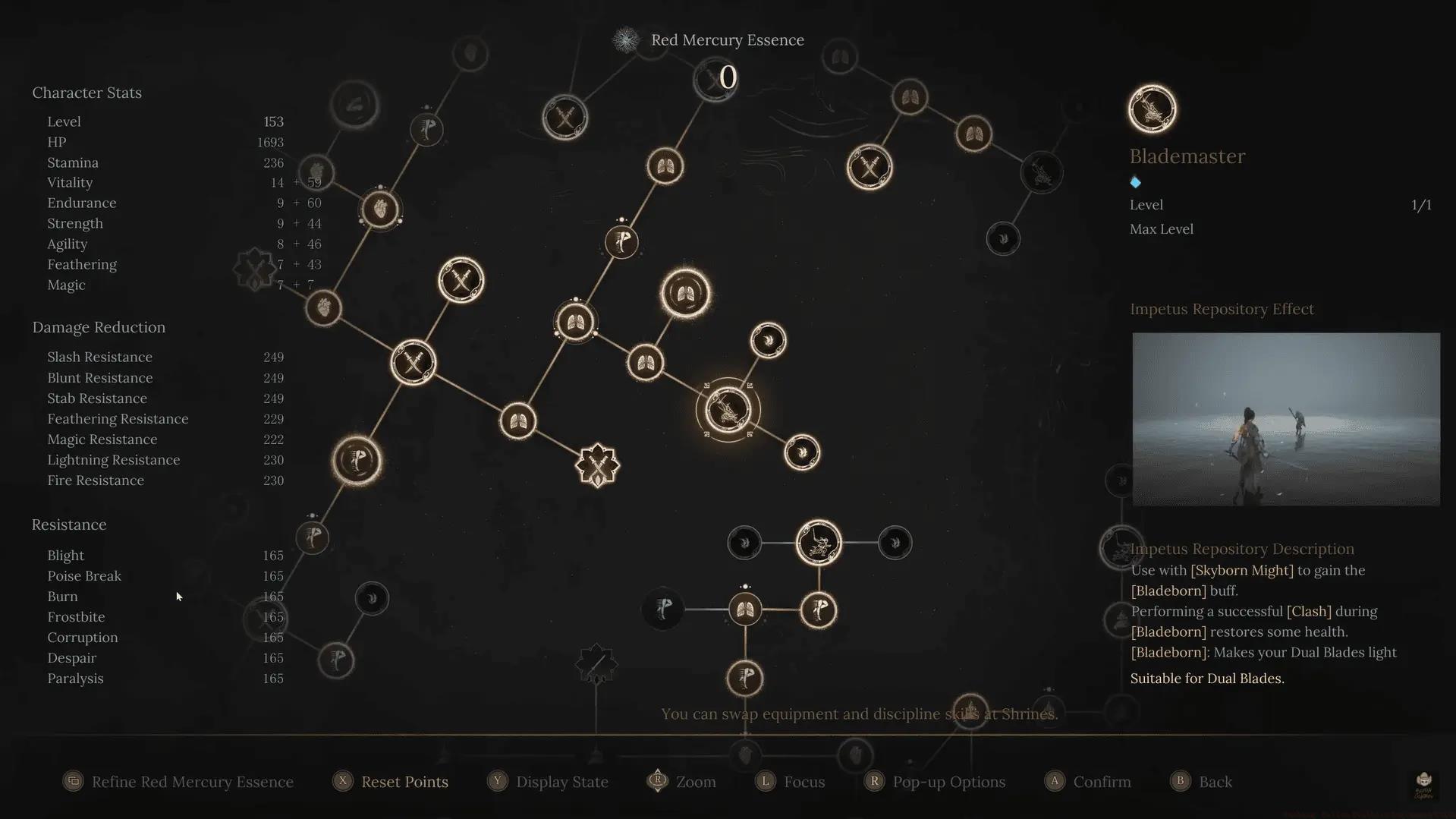
Skills and weapon trees provide structured progression paths that dramatically impact combat effectiveness. Each weapon type features unique skill trees with passive enhancements and active abilities that synergize with specific playstyles.
Advanced combat tips focus on optimizing action economy and resource management. Key strategies include learning enemy attack patterns to maximize perfect dodge opportunities, mixing attack types to maintain pressure while building resources, and understanding when to commit to high-cost abilities versus conserving resources for defensive needs.

Skill tree optimization requires aligning your selections with both preferred weapons and combat approach. Dual blade users might prioritize combo-enhancing passives and mobility skills, while spellcasters benefit from skyborn might regeneration and spell potency improvements. Respec options allow for experimentation without permanent commitment.
Final thoughts emphasize the importance of practice and adaptation. Wuchang’s combat systems reward players who invest time understanding mechanical interactions rather than those seeking simple solutions. Each enemy type presents unique challenges that test different aspects of your combat proficiency, encouraging diversified skill development.
Mastering Wuchang’s combat requires embracing its complexity as a strength rather than a barrier. The interconnected systems of skyborn might generation, madness management, and weapon specialization create depth that remains engaging throughout the gameplay experience. For those seeking to expand their tactical knowledge further, our Complete Guide to modern military combat provides additional strategic frameworks applicable across different game genres.
Action Checklist
- Practice weapon-specific combo chains to identify skyborn might generation points
- Master perfect dodge timing against common enemy types to boost resource generation
- Experiment with madness threshold management in controlled encounters
- Develop personalized weapon upgrade path aligned with your skill tree selections
- Integrate spell usage into standard combat rotations for optimal resource expenditure
No reproduction without permission:Tsp Game Club » Wuchang: Fallen Feathers Beginners Guide Master Wuchang's combat systems with advanced strategies for skyborn might, weapon arts, and madness mechanics