
Exploring HBO’s creative adaptations and key differences in The Last of Us TV series versus the original game
Introduction: Faithful Adaptation with Creative Liberties
The Last of Us stands as a rare example of video game adaptation excellence, where HBO’s interpretation successfully translated the core experience to television while introducing meaningful creative variations. The production team demonstrated remarkable respect for Naughty Dog’s original narrative while recognizing the unique opportunities television provides for character development and world-building.
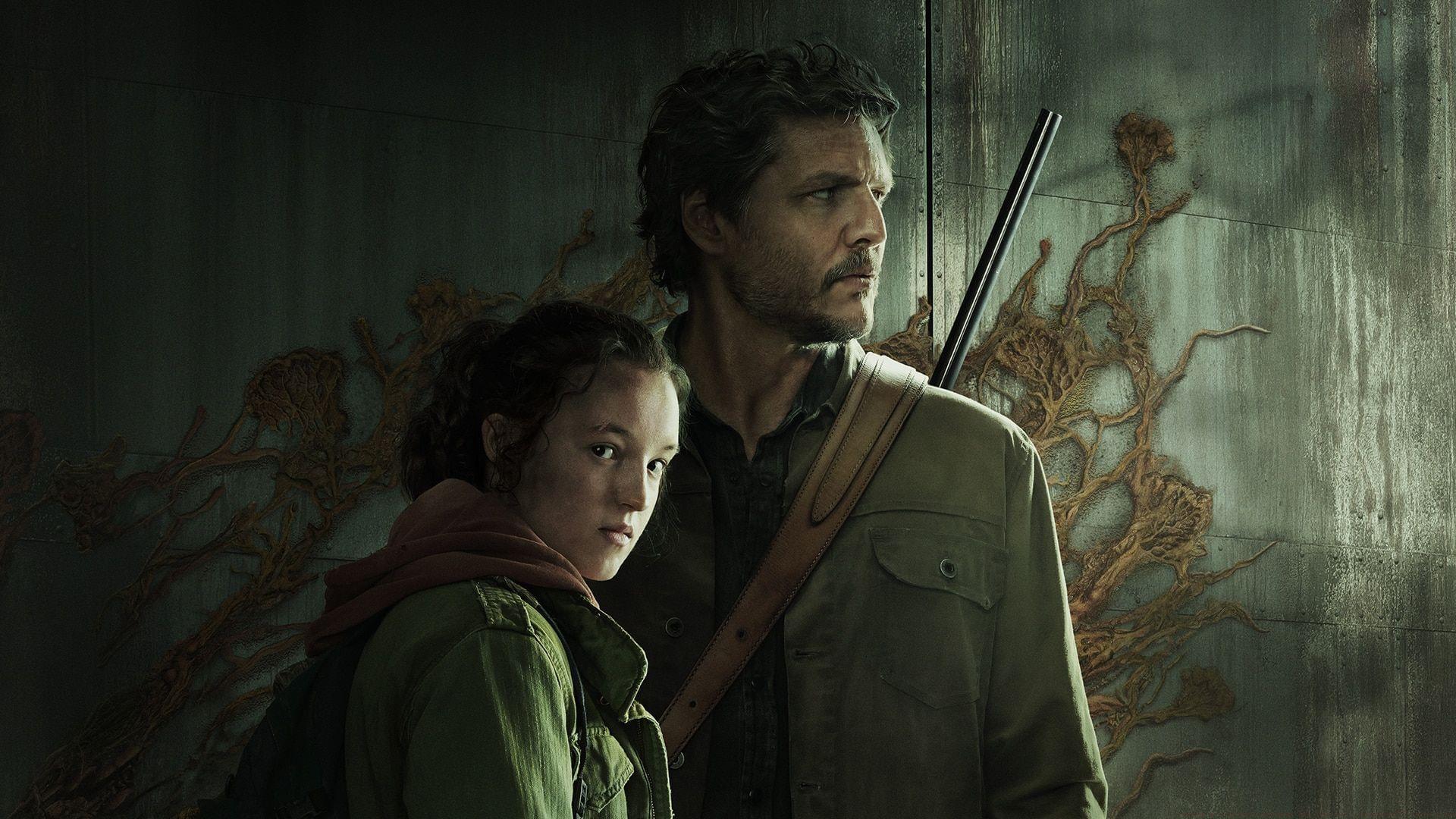
While preserving the emotional core and major plot points, the showrunners implemented strategic changes that enhanced character depth and adapted the storytelling for a different audience medium. These alterations weren’t merely cosmetic—they fundamentally shifted how viewers engage with the narrative compared to players experiencing the interactive version.
Strategic Insight: For optimal immersion, consider playing the game’s corresponding chapter before watching each episode to appreciate the adaptive choices.
Bill and Frank’s Expanded Love Story
Bill’s character transformation represents one of HBO’s most significant departures from the source material. In the original game, Bill functions primarily as a utilitarian survivalist who assists Joel and Ellie with vehicle acquisition. His relationship with Frank is only referenced through environmental storytelling and brief dialogue, leaving their dynamic largely to player interpretation.
The television adaptation completely reimagines this narrative, devoting substantial screen time to developing Bill and Frank’s relationship from initial meeting to tragic conclusion. This expanded arc transforms them from peripheral characters into emotional anchors that reinforce the series’ central themes about love in a broken world.
Critical Difference: Rather than the game’s brief cooperative segment, the show presents Bill as living independently after Frank’s death, with Joel and Ellie discovering their completed story through a heartfelt letter. This change eliminates the practical gameplay partnership but adds profound emotional resonance that pays off in later character development.
Common Adaptation Mistake to Avoid: Don’t expect the show to replicate game mechanics—focus instead on how character relationships serve the overarching themes of connection and loss.
Tommy’s Family Dynamics Shift
Tommy Miller’s character receives substantial narrative augmentation in the television adaptation, particularly through the revelation of Maria’s pregnancy. This addition fundamentally alters his motivations and future stakes, providing emotional weight that extends beyond his game counterpart’s arc.
In the original narrative, Tommy operates as a capable survivor and former Firefly, but his personal life remains largely unexplored territory. The pregnancy revelation transforms him from a supporting character into someone with tangible future investments, raising the emotional stakes for potential second season conflicts.
Character Depth Enhancement: This change allows the series to explore themes of legacy and hope in a world where future generations represent both vulnerability and potential redemption. Tommy’s paternal concerns create natural tension with his survival responsibilities, adding complexity to his decision-making process.
Viewing Tip: Pay attention to how Tommy’s expanded role affects his interactions with Joel, particularly regarding their differing perspectives on protection and sacrifice.
Henry and Sam’s Transformed Journey
Henry and Sam’s narrative undergoes one of the most comprehensive transformations between mediums. The game presents them as fellow survivors encountered during a supply run gone wrong, while the show completely reinvents their backstory and circumstances.
Background Restructuring: Television Henry evolves from a generic survivor into a former FEDRA collaborator facing consequences from Kansas City’s resistance movement. This political dimension adds moral complexity absent from the game, forcing viewers to confront collaboration’s complicated realities in oppressive systems.
The most poignant alteration comes through Sam’s characterization as a deaf character. This creative decision serves multiple narrative purposes: enhancing his dependency on Henry, providing representation rarely seen in post-apocalyptic media, and creating more intimate communication dynamics within the group.
Infection Revelation Contrast: Both versions culminate in tragedy, but the mechanisms differ significantly. The game employs sudden betrayal horror when Sam attacks Ellie, while the show builds dreadful anticipation through Sam’s confession and Ellie’s desperate attempt at cure through blood infusion.
Adaptation Analysis: The deaf representation adds authentic character depth while providing practical survival challenges that enhance narrative tension throughout their arc.
Timeline and Technological Adjustments
HBO’s decision to shift the prologue from 2013 to 2003 represents a subtle but impactful world-building choice. This temporal adjustment allows for more grounded technological limitations and creates stronger connections to real-world cultural touchpoints.
Technological Constraints: The earlier timeline means characters navigate the apocalypse with early-2000s technology, eliminating smartphones and modern conveniences that would simplify survival scenarios. This forces more creative problem-solving and enhances the narrative’s raw survival elements.
The adjustment also provides clearer Cordyceps outbreak origins, positioning the pandemic within a more recognizable contemporary framework. Viewers experience the collapse through technology and cultural references that bridge their reality with the fictional catastrophe.
World-Building Insight: Notice how the 2003 setting influences everything from vehicle types to communication methods, creating a distinct aesthetic separating the adaptation from other post-apocalyptic narratives.
Joel’s Physical Vulnerabilities
Pedro Pascal’s portrayal introduces physical vulnerabilities that redefine Joel’s capabilities compared to his game counterpart. The hearing impairment in his right ear transforms from gameplay mechanic into character-defining trait with practical survival consequences.
Realism Versus Gameplay: The game’s listening mode functions as a supernatural awareness ability for gameplay convenience, while the show translates this into a realistic disability that creates genuine tension during stealth sequences and combat situations.
This hearing loss, combined with Joel’s generally aged and weary presentation, emphasizes his humanity against the game’s tendency toward superhuman endurance. The television version must rely more on wisdom and experience than raw physical prowess, creating different survival dynamics.
Character Development Note: Joel’s vulnerability enhances the protective relationship with Ellie, as his physical limitations create more dependency and mutual support throughout their journey.
Viewing Strategy Guide
Understanding these adaptive choices enhances appreciation for both the television series and original game. For optimal experience, consider these strategic approaches to engaging with both mediums.
Comparative Watching Approach: Begin with the game to establish baseline understanding of core narrative and character relationships. Then view the series with attention to creative deviations, recognizing how each change serves television storytelling conventions and character development opportunities.
Key Scene Analysis: Focus particularly on Bill and Frank’s expanded storyline, Henry and Sam’s altered dynamic, and Joel’s vulnerability moments. These represent the most significant departures that demonstrate adaptive storytelling principles in action.
Avoiding Adaptation Disappointment: Remember that changes serve different narrative purposes across mediums. Television prioritizes character depth and thematic consistency over gameplay-influenced action sequences. Appreciate each version for its unique strengths rather than demanding identical experiences.
Pro Tip: Use the series’ deviations as discussion points about adaptation theory—how stories transform across mediums while preserving emotional cores.
No reproduction without permission:Tsp Game Club » 5 major differences between The Last of Us game and TV adaptation Exploring HBO's creative adaptations and key differences in The Last of Us TV series versus the original game