
Essential guide to Summer Game Fest 2025’s biggest reveals with exclusive insights and practical gaming strategies
Introduction: The SGF 2025 Gaming Landscape
The inaugural day of Summer Game Fest 2025 wrapped up with an impressive array of announcements spanning independent studios and blockbuster AAA productions. This yearly gaming extravaganza continues to serve as a crucial platform where creators debut their most anticipated projects to a global audience. With such a diverse lineup of titles competing for attention, certain games naturally emerged as standout highlights that captured the community’s imagination.
What sets SGF 2025 apart is the remarkable emphasis on genre evolution and mechanical innovation. Developers aren’t just iterating on familiar formulas—they’re pushing boundaries with fresh gameplay systems that promise to redefine player expectations. The showcased titles demonstrate a clear trend toward blending established genres with unexpected elements, creating hybrid experiences that could shape gaming for years to come.
Horror Resurgence: Resident Evil and Dying Light Evolution
The horror genre received significant attention with what appears to be a new Resident Evil installment featuring protagonist Grace Ashcroft. Her investigation of the enigmatic Remwood Hotel to uncover the source of a mysterious affliction sets the stage for classic survival horror. The trailer’s glimpse of a nuclear-devastated Raccoon City suggests a return to the franchise’s atmospheric roots, emphasizing tension and environmental storytelling over action-oriented sequences.
Dying Light: The Beast represents a bold departure as a standalone narrative placing players back in the role of original protagonist Kyle Crane. Following years of captivity and torture under the Baron’s regime, your escape sets the stage for a vengeance-driven campaign. This installment preserves the series’ hallmark features—expansive open-world exploration, visceral melee combat, and fluid parkour navigation—while introducing transformative new mechanics.
The introduction of Beast Mode represents a game-changing addition that temporarily morphs Kyle into a powerful creature capable of dismantling zombies with bare-handed brutality. This mechanic likely operates on a cooldown or resource system, encouraging strategic deployment during overwhelming encounters. Additionally, the acquisition of a rugged 4×4 vehicle expands traversal possibilities, enabling off-road exploration and potentially serving as mobile storage or safe haven during nighttime hours when threats intensify.
Pro Tip: Master the rhythm between human and beast forms—conserving transformation for horde situations while using vehicles for strategic positioning can dramatically improve survival odds in Dying Light: The Beast’s dangerous world.
Innovative RPG Experiences: From Yakuza Developers to Time-Bending Adventures
Stranger Than Heaven, previously known under its Project Century codename, marks Ryu Ga Gotoku Studio’s first original intellectual property following their successful Like A Dragon series. Players assume the role of detective Mako Daito in what appears to be an ambitious narrative spanning multiple time periods. While earlier promotional material situated the story in 1914, the latest trailer advances the timeline to 1984, suggesting a century-hopping structure that explores different historical eras.
The survival mechanics glimpsed in the Summer Game Fest footage—visible hunger and thirst indicators on the HUD—point toward an experience blending detective investigation with resource management. This suggests players will need to balance investigative duties with basic survival needs, potentially affecting cognitive performance and decision-making capabilities. The time-jumping premise could allow for fascinating environmental puzzles where solutions in one era create opportunities in another.
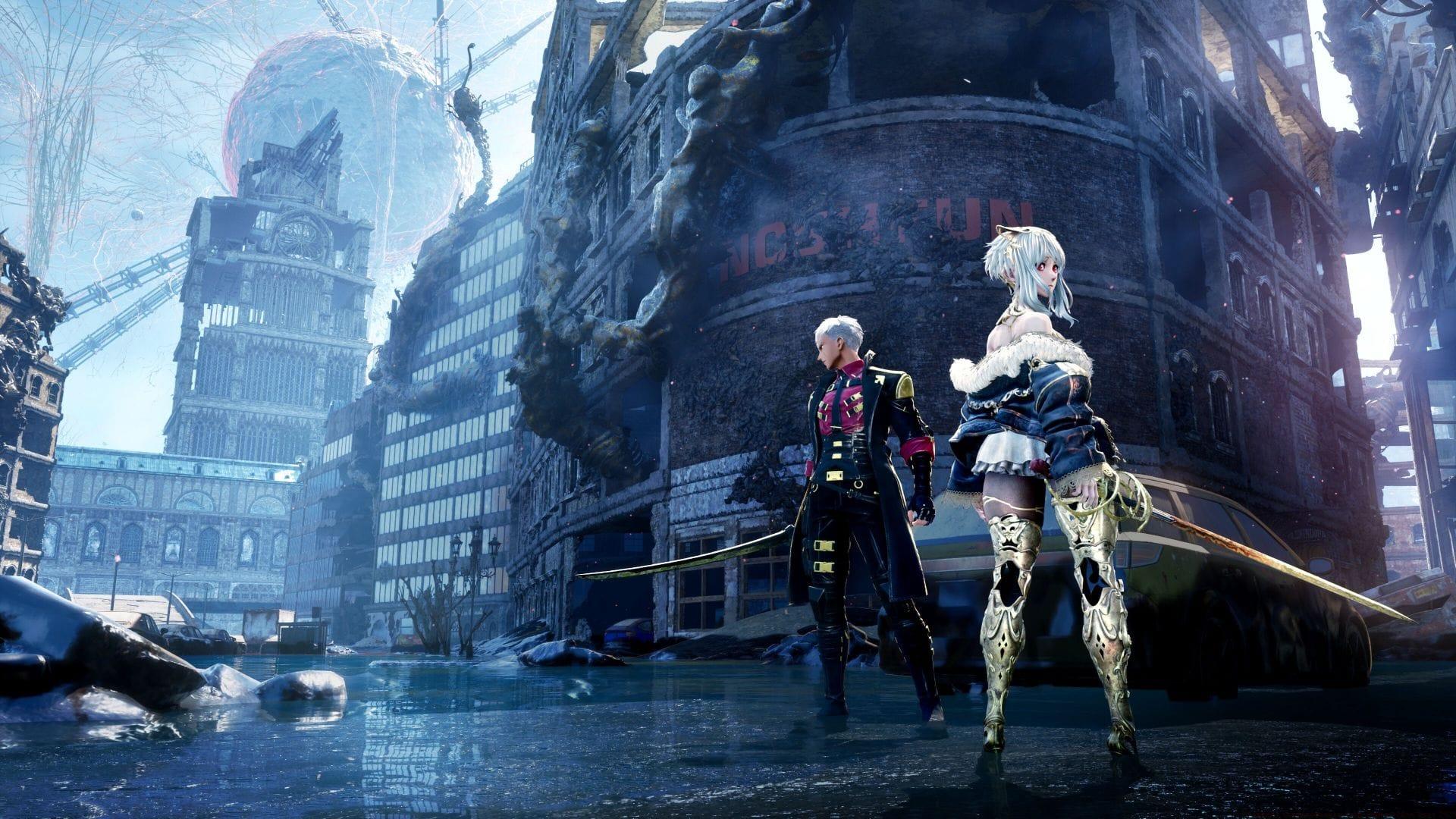
Code Vein 2 builds upon its predecessor’s successful fusion of anime aesthetics with challenging souls-like combat. The sequel’s narrative introduces a temporal threat—Luna Rapacis—that transforms Ravagers into uncontrolled monstrosities. The central premise involves time travel to historical periods to prevent global catastrophe, potentially allowing players to witness key events from the first game from different perspectives or alter outcomes through temporal interference.
Chrono Odyssey emerged as one of the event’s most surprising reveals—an Unreal Engine 5-powered MMORPG featuring revolutionary time manipulation mechanics. The Chronodetector artifact enables players to freeze time around enemies or rewind their own character’s temporal state, creating unprecedented strategic possibilities in massively multiplayer combat. This system could enable coordinated team strategies where players alternate time-freezing abilities to control battlefield flow or rewind fatal mistakes during challenging boss encounters.
Common Mistake to Avoid: Don’t underestimate the resource management in Stranger Than Heaven—neglecting survival needs will likely impair your detective abilities and lock you out of crucial narrative branches.
Sequel Excellence: Mortal Shell 2 and Atomic Heart Advancements
Mortal Shell 2 kicked off the Summer Game Fest announcements as the highly anticipated follow-up to the acclaimed armor-centric souls-like experience. The sequel enhances its predecessor’s foundation with an even more striking artistic direction that beautifully renders its bleak fantasy realm. New adversary types, additional Shell varieties, and the introduction of ranged weaponry expand combat possibilities, potentially allowing for hybrid playstyles that blend melee engagement with strategic distance attacks.
The developers have initiated closed beta registration exclusively for Steam users, providing PC gamers early access to test the refined mechanics. This testing phase represents a valuable opportunity for souls-like enthusiasts to provide feedback on balance and gameplay flow before the official launch.
Atomic Heart 2 continues Mundfish’s distinctive retrofuturistic vision of Soviet-era utopia populated by bizarre robotic constructs. The sequel introduces numerous new automaton designs that will challenge players throughout the campaign. The trailer highlighted significantly expanded movement capabilities including grappling maneuvers, wall-running while engaging targets, and parachuting sequences—suggesting greatly enhanced verticality and environmental interaction compared to the original.
These mobility additions could transform combat encounters from straightforward shooting galleries into dynamic, multi-level engagements where positioning and movement become as important as accurate marksmanship. The increased movement options might also facilitate more elaborate exploration, potentially revealing hidden areas containing narrative fragments or upgrade materials.
Optimization Tip: For Mortal Shell 2 beta participants, focus testing different Shell and weapon combinations to identify synergies—early feedback often influences final game balance and can shape viable build diversity at launch.
Strategic Insights: What These Reveals Mean for Gamers
Summer Game Fest 2025’s highlights collectively signal several important industry trends that savvy players should note. The strong horror presence indicates a resurgence of atmospheric, slower-paced experiences that prioritize tension over action—a welcome return to form for fans of classic survival horror. The numerous RPG offerings demonstrate continued innovation within the genre, particularly around time manipulation mechanics that offer fresh approaches to combat and narrative structure.
For players anticipating these titles, preparation involves more than just hardware upgrades. Understanding the evolving design philosophies can help set appropriate expectations and identify which games align with personal preferences. The emphasis on hybrid mechanics suggests that traditional genre boundaries continue to blur, creating experiences that defy simple categorization.
Release Strategy Insight: With multiple betas announced, engaged community participation during testing phases can directly influence final game quality. Providing constructive feedback about mechanic balance, difficulty curves, and technical performance helps developers refine their visions before public release.
The diversity of showcased titles—from intimate detective stories to massive MMORPGs—demonstrates healthy creative range within the industry. Players can look forward to experiences that cater to both niche interests and broad appeal, with several titles potentially defining their respective subgenres upon release.
No reproduction without permission:Tsp Game Club » 7 biggest announcements from Summer Game Fest 2025 Essential guide to Summer Game Fest 2025's biggest reveals with exclusive insights and practical gaming strategies