
Comprehensive guide to 7 Days to Die V2.1 patch improvements with practical survival strategies
V2.1 Patch Overview: Stability and Quality-of-Life Focus
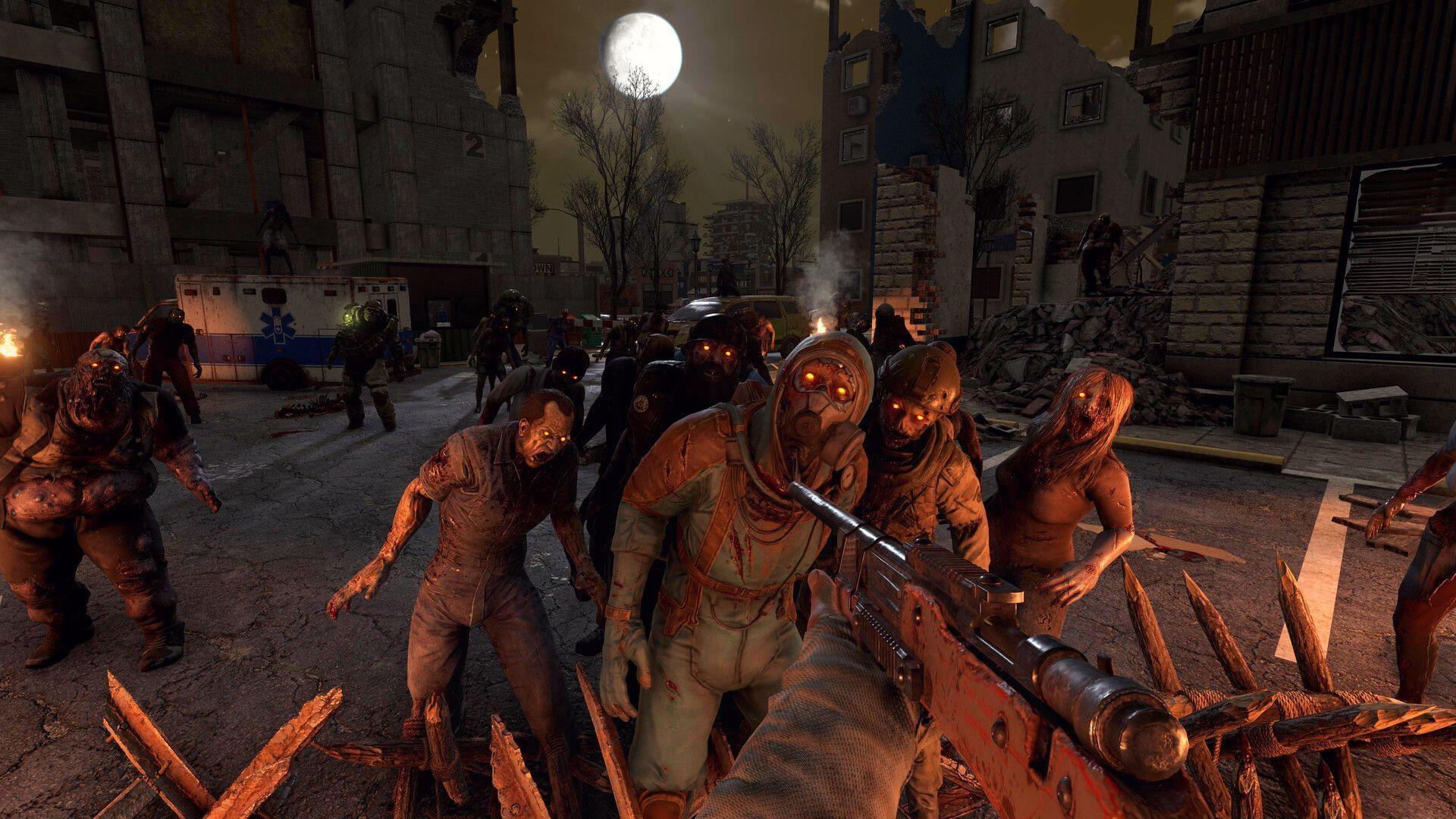
The 7 Days to Die V2.1 stability update represents a crucial refinement to the groundbreaking V2 release, delivering substantial quality-of-life enhancements that directly impact daily survival gameplay. This comprehensive patch addresses numerous player-reported issues while introducing subtle but meaningful improvements to core mechanics.
Essential Reading: 7 Days to Die: Complete achievement mastery guide and unlocking strategies
One of the most noticeable changes involves the revamped weather system, where storm durations have been significantly reduced and their frequency adjusted to create more balanced gameplay sessions. The developers have implemented increased storm warning times, giving players crucial additional minutes to secure their bases and prepare for incoming environmental threats. Storm fog now features improved blending mechanics as conditions intensify, creating a more immersive atmospheric experience.
From a technical perspective, the update brings refined console cross-play behavior for non-standard server configurations, ensuring smoother multiplayer sessions across different platforms. The removal of clothing and armor tags from dyes streamlines inventory management, while Factory_02 and Apartments_06 locations now feature properly hidden sleeper spawns that no longer appear immediately in player view.
Enhanced Gameplay Mechanics and Bug Fixes
Comprehensive Bug Resolution in 7 Days to Die V2.1
The V2.1 patch delivers extensive bug fixes that rectify longstanding issues affecting core gameplay loops. Audio systems receive attention with specter’s grace audio now properly playing when clients are hit by projectiles, and party management sounds activating when the final member departs. Server performance sees measurable improvements through reduced login overhead, providing enhanced protection against potential DDoS attacks while maintaining connection stability.
Critical gameplay exploits have been systematically addressed, including the hotswapping item consumable glitch that allowed unintended resource advantages. The Miner’s Mending perk bug that repeatedly halved critical injuries when switching mining tools has been resolved, restoring balance to resource gathering mechanics. Collision detection improvements eliminate wallclip exploits through iron and wooden cellar doors, forcing players to employ legitimate base entry strategies.
Multiplayer functionality receives significant polish with dedicated server clients now able to heal each other’s broken or sprained limbs, enhancing cooperative survival possibilities. The persistent save corruption issue related to scripted sleeper volumes has been eliminated, ensuring player progress remains secure throughout extended gameplay sessions. Visual glitches including the Hoarder helmet’s character distortion and ultra-wide resolution stretching in wasteland and snow biomes have been comprehensively addressed.
Strategic Implications for Survival Players
For veteran survivalists, the V2.1 changes necessitate strategic adaptations across multiple gameplay domains. The rebalanced weather system means players can expect shorter but potentially more intense storm periods, requiring adjusted base fortification timelines. The increased storm warning period provides valuable preparation windows, but the reduced frequency means players have less predictable intervals between major environmental threats.
Base Building Adjustments: With the elimination of wallclip exploits through cellar doors, players must now focus on more sophisticated defensive architectures. The fixed collision detection mandates proper entry point design and reinforces the importance of layered defense strategies. Consider incorporating airlock-style entry systems and fallback positions to compensate for the lost exploitation opportunities.
Resource Management Strategies: The resolved Miner’s Mending perk bug means players can no longer rapidly recover from mining injuries through tool switching. This change emphasizes the importance of carrying proper medical supplies during extended resource gathering expeditions and may shift meta strategies toward more conservative mining approaches with scheduled rest periods.
Multiplayer Coordination: The new ability for dedicated server clients to heal each other’s injuries creates opportunities for specialized medic roles within survival teams. Players should consider designating medical specialists within their groups and coordinating supply distribution to maximize this new cooperative capability.
These strategic adjustments, combined with the numerous quality-of-life improvements, position V2.1 as a significant milestone in 7 Days to Die’s evolution toward a more polished and balanced survival experience.
No reproduction without permission:Tsp Game Club » 7 Days to Die V2.1 patch notes: Zombie changes, POI updates, and more Comprehensive guide to 7 Days to Die V2.1 patch improvements with practical survival strategies