
TL;DR
- Advanced Model combines Simple accessibility with Original’s precision for competitive play
- Enable Exponential Memory Updating for responsive fighter behavior adaptation
- Master data collection timing to eliminate empty information slots in training
- Strategic bucket allocation prevents overfitting and maintains balanced performance
- Focus settings enable targeted behavior modification without global side effects
This comprehensive guide delivers everything required to master the AI Arena Advanced Model system, providing both foundational knowledge and competitive-level insights.
AI Arena represents a groundbreaking fusion of gaming and machine learning technology, where players develop sophisticated fighter models through strategic data management and behavioral optimization. The platform’s complexity demands thorough understanding of its core systems to achieve competitive excellence.
We secured exclusive insights from All-Star Invitational champion and G3 team representative Ixtlanian, who shared his professional methodology for mastering AI Arena. This initial installment in our series concentrates specifically on transitioning newcomers to the Advanced model framework.
AI Arena presents three distinct fighter model architectures:
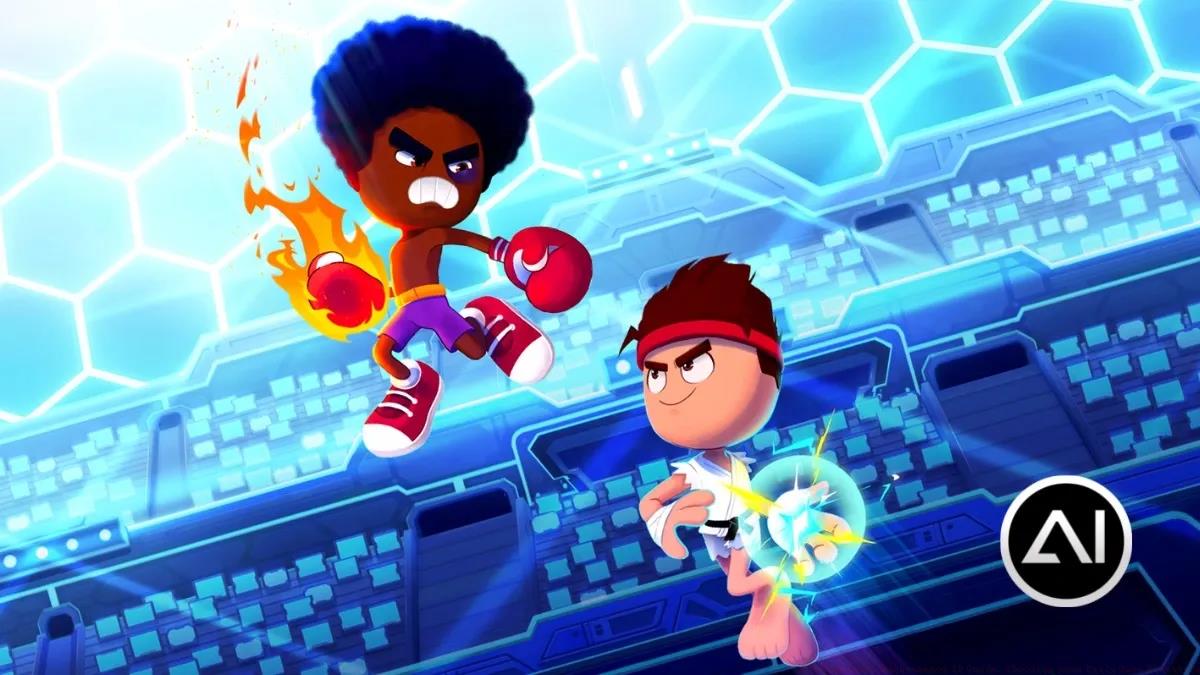
Activate the “Advanced” model selection before initiating any training sessions to properly implement the strategies outlined in this guide. The Exponential Memory Updating feature should be enabled to maximize the impact of recent training iterations, particularly when making substantial adjustments to your fighter’s behavioral patterns.
Configuration Priority Checklist:
Common Configuration Mistakes:
The Advanced model’s isolated zone editing capability represents its most significant advantage over other options. This feature allows precise behavioral adjustments in specific combat scenarios without inadvertently altering well-performing behaviors in other situations. For players progressing from Class Guide fundamentals to advanced techniques, this precision becomes increasingly valuable.
The official game YouTube channel provides extensive video resources covering data collection methodologies. Below are specialized techniques directly from Ixtlanian’s championship-winning approach:
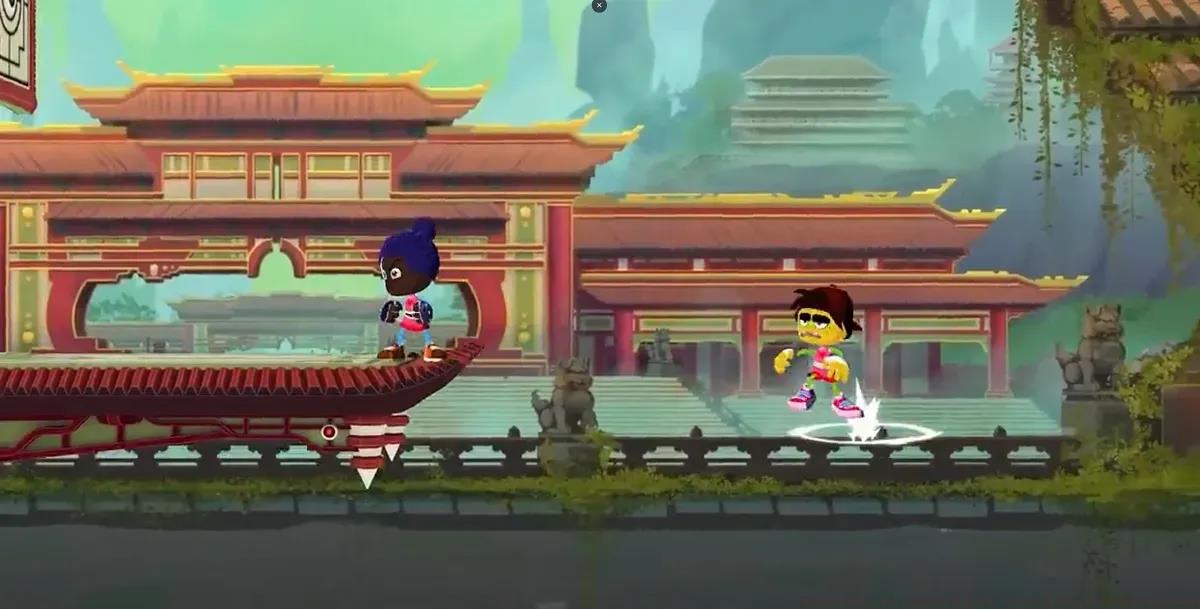
Data quality directly correlates with fighter performance in competitive scenarios. Unlike traditional games where Weapons Unlock progression follows linear paths, AI Arena requires understanding how data patterns influence behavioral outcomes. High-quality data collection typically requires 3-5 hours of focused practice before noticeable performance improvements emerge.
Bucket systems organize training data into categorized segments that influence specific behavioral aspects. Strategic bucket management prevents over-specialization while maintaining balanced performance across multiple combat scenarios.
Primary Bucket Categories:
Bucket Allocation Strategy:
Proper bucket management shares conceptual similarities with loadout optimization in our Complete Guide to tactical gameplay. Both systems require balancing multiple variables to achieve optimal performance across diverse combat situations. Beginners should allocate 60% of training time to bucket balance maintenance during initial learning phases.
Focus settings enable targeted behavioral modification in specific game scenarios without creating global behavioral changes. This precision tool separates advanced players from intermediate competitors.
Focus Application Techniques:
Advanced Focus Strategies:
Mastering focus settings typically requires 10-15 hours of dedicated practice. The learning curve resembles advanced tactical planning in competitive shooters, where situational awareness determines success. Proper focus configuration can improve win rates by 25-30% in matched skill scenarios by eliminating predictable behavior patterns.
Ixtlanian’s championship methodology emphasizes systematic improvement through measured iterations and strategic data management.
Advanced Training Protocols:
Common Professional Pitfalls:
Competitive Edge Techniques:
Ixtlanian estimates that proper implementation of these advanced techniques requires 20-30 hours of focused training but can elevate intermediate players to competitive viability. The systematic approach mirrors professional training regimens across esports disciplines, where consistent, measured improvement outperforms sporadic intensive sessions.
Action Checklist
- Select Advanced Model and enable Exponential Memory Updating
- Practice data collection with minimized empty information slots
- Establish balanced bucket allocation across all categories
- Implement basic focus settings for zone-specific behavior
- Develop and test signature move combinations
No reproduction without permission:Tsp Game Club » AI Arena Guide: Advanced Model Guide and Pro Tips Master AI Arena's Advanced Model with pro strategies, data optimization techniques, and expert training methods