
TL;DR
- Prioritize cavalry units for superior PvE performance and resource gathering efficiency
- Connect your wallet early on desktop for seamless blockchain integration and asset management
- Save speedups and gems for late-game upgrades when construction times significantly increase
- Join an active alliance within first 48 hours for protection and resource sharing benefits
- Focus on lumber camps and barracks first, then expand to quarries and gold mines strategically
This comprehensive guide reveals everything you need to master League of Kingdoms before establishing your digital empire. Learn strategic approaches that separate successful rulers from casual players.
League of Kingdoms represents a groundbreaking MMO strategy experience that bridges traditional gaming with blockchain innovation. The game delivers diverse gameplay modes including solo campaigns, competitive multiplayer battles, and cooperative alliance warfare. Its sophisticated yet accessible design creates an engaging tactical environment with dynamic events and evolving content that keeps players invested long-term. Understanding the core mechanics early prevents costly mistakes during critical development phases.
Accessing League of Kingdoms offers multiple pathways to suit different playstyles. Mobile users can download through official app stores, while browser-based gameplay provides instant access without downloads. Authentication options span traditional social logins to guest access, though dedicated players should prioritize the official website for optimal wallet integration. Pro Tip: Desktop browsers offer superior interface navigation for complex management tasks compared to mobile screens.
After establishing your account through preferred authentication, the critical next phase involves wallet connectivity. This process proves significantly smoother on computer platforms, where browser extensions and dedicated crypto wallets integrate seamlessly. Upon initial login, the tutorial questline provides essential guidance through foundational mechanics while introducing alliance systems. Critical Mistake to Avoid: Never waste early-game speedups on minor upgrades—reserve these precious resources for late-game constructions that require days rather than hours.

Building a powerful kingdom requires strategic prioritization of military and economic structures. Initial focus should target lumber camps for construction materials and barracks for military production. Continuous troop training maintains defensive readiness while enabling offensive capabilities. Cavalry units deserve priority investment over infantry and archers due to their superior mobility and PvE effectiveness, which translates to faster resource accumulation and monster elimination.
Mastering your castle’s internal layout proves crucial for efficient kingdom management. Key facilities include the Academy for technological research, Treasure House for asset protection, Trading Post for resource exchange, defensive Walls for protection, central Castle for upgrades, Hospital for wounded units, Storage for resource security, Watch Tower for intelligence gathering, and Hall of Alliance for diplomatic engagements. Each structure serves distinct purposes that collectively strengthen your position. Advanced Insight: Upgrade sequencing matters—prioritize resource production before military buildings to sustain longer-term growth.
External territory management presents complex strategic decisions with limited construction space. Balancing barracks, farms, lumber camps, quarries, and gold mines requires careful planning around resource availability and time constraints. Common Pitfall: New players often overallocate to military buildings while neglecting resource infrastructure, creating production bottlenecks that stall progression. The optimal ratio typically involves 40% resource buildings, 30% military structures, and 30% specialized facilities.

Expanding beyond your kingdom borders unlocks essential activities for advancement. Resource collection and monster elimination provide materials, experience, and strategic advantages. Social interactions with other kingdoms can yield alliances, trade opportunities, or territorial conflicts that shape your political landscape.
The game world features dynamically generated resource deposits that appear based on land tier levels. Higher-tier territories produce superior quality resources with greater capacity. Each resource node contains specific reserves, tier ratings, and duration limits before expiration and regeneration elsewhere. All gathering activities contribute development points to the territory, influencing future resource quality. Strategic Insight: Target higher-level lands once your military can secure them, as the resource quality jump significantly accelerates development.
Monster hunting represents a core combat mechanic with diverse creature types across the continent. Monsters feature species classifications, tier ratings, and regeneration cycles that may alter their attributes upon respawn. Clicking creatures reveals detailed statistics, special abilities, and potential loot tables. Land quality primarily determines monster difficulty and reward quality. Combat Tip: Always scout monster abilities before engaging—certain creatures possess area-of-effect attacks that can decimate unprepared armies. Cavalry units typically excel against most monster types due to their high mobility and damage output.
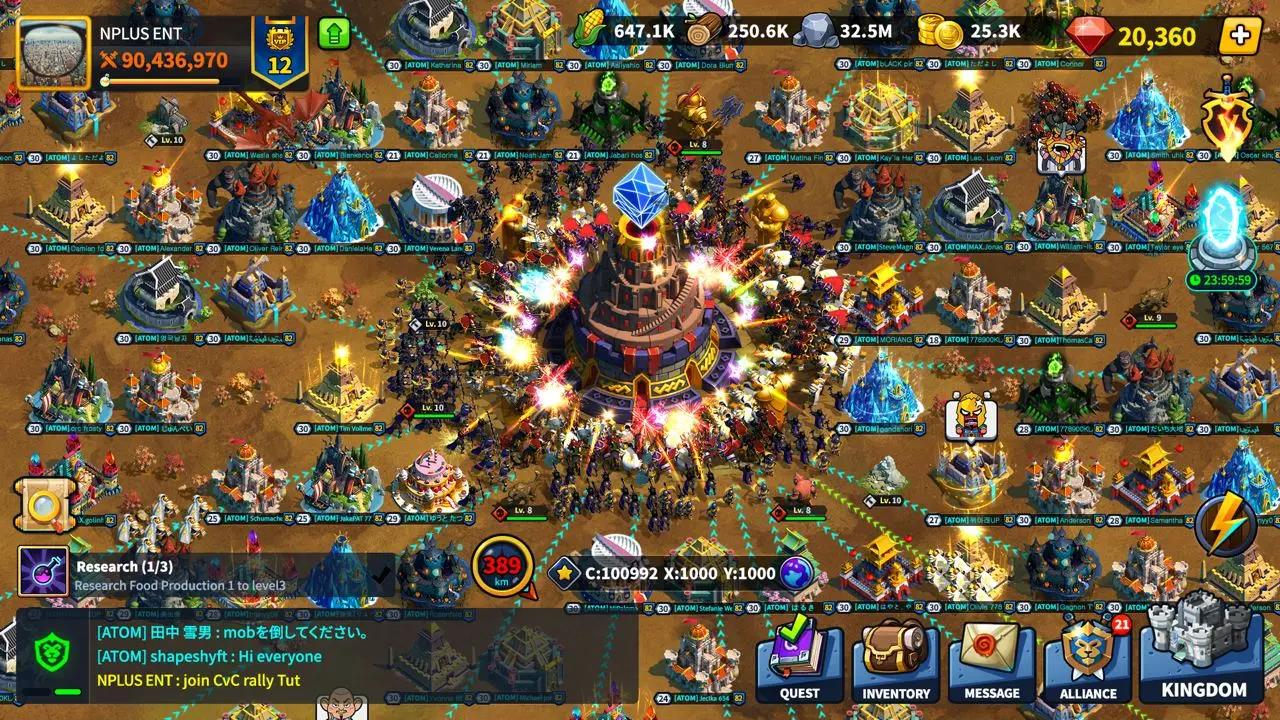
Alliance participation transforms the solo kingdom experience into collaborative empire building. Early alliance membership provides crucial protection during vulnerable development phases while unlocking resource sharing, coordinated attacks, and intelligence networks. Successful rulers maintain active diplomatic relations that can evolve into powerful coalitions or intense rivalries shaping server politics.
Advanced Alliance Strategy: The most successful alliances maintain balanced member composition with dedicated resource suppliers, military specialists, and diplomatic envoys. Establish clear communication channels and participation expectations early to prevent internal conflicts. Cross-alliance trade agreements can circumvent resource shortages during massive construction projects. Pro Tip: Contribute regularly to alliance technology research—the collective benefits significantly outpace solo research efforts.
Understanding multiplayer dynamics requires recognizing different player archetypes: farmers focusing on economic development, warmongers prioritizing military expansion, and diplomats specializing in alliance management. Each playstyle offers distinct advantages that can be leveraged through strategic partnerships. For deeper strategic insights, explore our Class Guide which analyzes specialization benefits in detail.
Action Checklist
- Create account via official website and connect wallet on desktop
- Complete tutorial quests and join an active alliance within 48 hours
- Build lumber camps and barracks, prioritize cavalry training
- Establish 40/30/30 building ratio (resources/military/specialized)
- Begin monster hunting expeditions and higher-tier resource gathering
- Contribute to alliance technology and establish trade partnerships
No reproduction without permission:Tsp Game Club » League of Kingdoms Guide: Everything You Need to Know Master League of Kingdoms with strategic insights, resource management tips, and alliance tactics for empire building success