
Master Roman city-building in Anno 117: Pax Romana with expert strategies, UI workarounds, and advanced optimization techniques.
Introduction: Stepping into the Governor’s Sandals
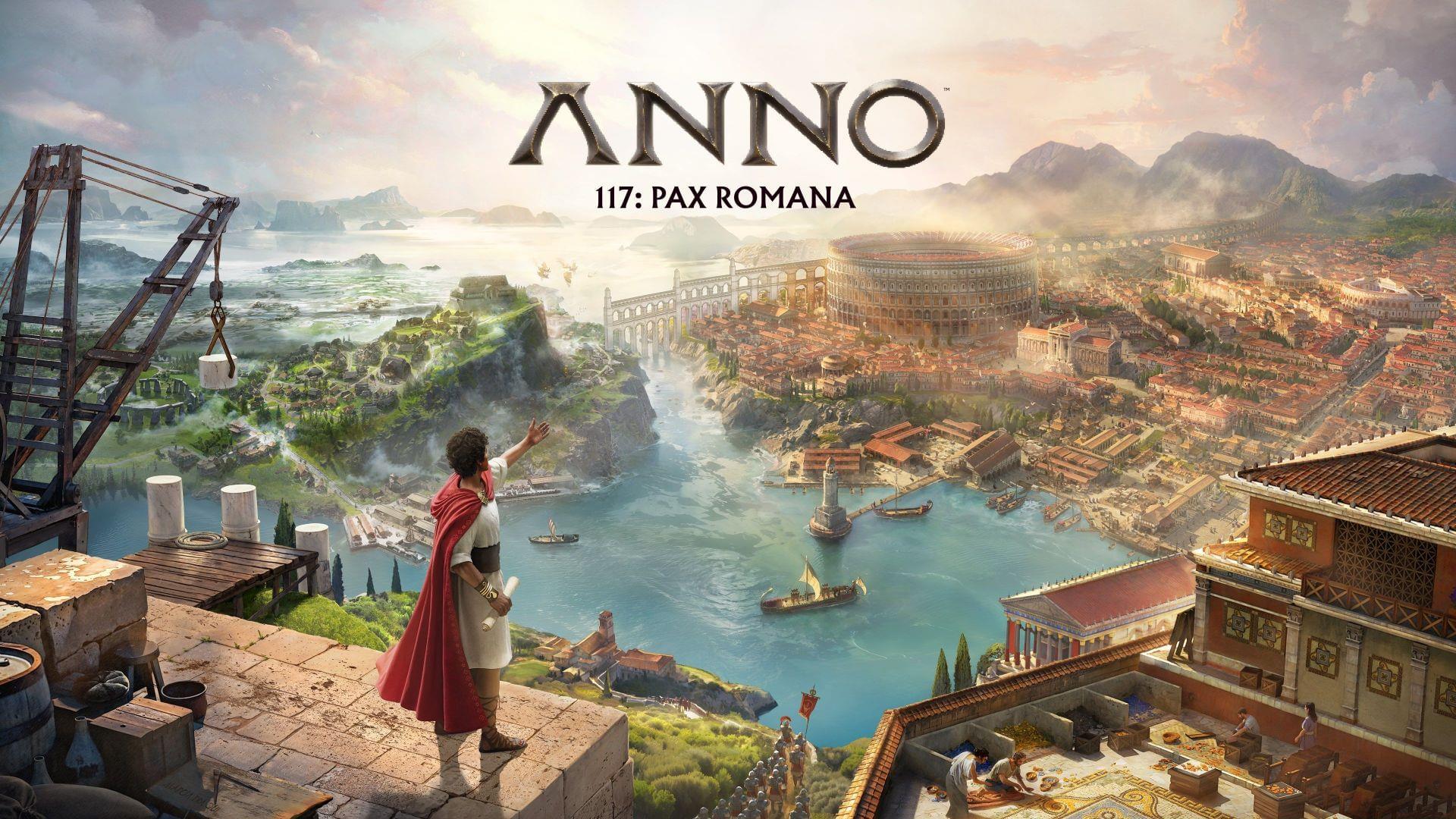
Anno 117 – Pax Romana is developed by Ubisoft Mainz and published by Ubisoft. This historical city-builder and management sim places you in the role of a Roman Governor, where every choice—from economic policy to military deployment—directly shapes the prosperity or decline of your provinces. Your mandate extends beyond simple construction to mastering a web of trade, diplomacy, and combat systems to secure your legacy.
Your journey begins familiarly for series veterans: command of a modest island with limited initial funds. The Emperor’s backing provides a crucial safety net in the early hours, but this patronage is finite. While a serviceable narrative framework guides your expansion from Latium to the wilds of Albion, the true core of the experience lies in the intricate simulation mechanics. The story sets the stage, but the gameplay is the main event.
Navigating the UI: Overcoming the Initial Hurdle
Before diving into the game’s considerable strengths, a significant obstacle must be addressed: the user interface. The UI employs a multi-tab system that can feel overwhelming and inefficient. Locating specific buildings, especially those outside the primary production chains unlocked by population growth, involves excessive menu swapping. Core buildings are sorted under tabs corresponding to citizen tiers (Plebs, Equites, etc.), but ancillary structures are scattered elsewhere.
Practical Tip: Use the first few hours of a new game as a dedicated learning period. Intentionally open every tab and sub-menu to build a mental map. Many players find it helpful to keep a physical or digital note of where key buildings—like specific workshops, temples, or military barracks—are located. This upfront investment drastically reduces mid-game friction.
This navigation extends to checking production and logistics chains for complex goods, which can be tedious. The silver lining is that this complexity forces engagement with the game’s systems. With consistent play, muscle memory develops, and the UI barrier diminishes. Consider it the game’s first and most persistent puzzle: mastering its own menu architecture to efficiently govern your empire.
City-Building Mastery: From Foundations to Empire
Once you adapt to the interface, Anno 117 reveals a remarkably polished and interconnected city-building experience. The game excels at creating a web of mechanics where zoning, production, happiness, and defense all influence each other. A foundational strategy is the deliberate segregation of industrial districts from residential zones. Placing a foundry next to a neighborhood will create pollution and discontent, reducing productivity and potentially triggering unrest.
Common Mistake: New governors often cluster buildings for aesthetic or organizational reasons, ignoring adjacency bonuses and penalties. Always hover over a building before placement to see its area of effect. For example, Bathhouses provide a happiness bonus to nearby residences, while Tanneries produce a negative aura. Specialized buildings like Gardens can counteract some negatives, but intelligent zoning is always more efficient than creating problems to solve later.
The game’s pacing is a major strength. It provides ample time to experiment with city layouts and optimize production chains before introducing new citizen tiers or mechanics like full-scale combat. When you eventually outgrow your starting island, the expansion system to neighboring territories is seamless. The campaign’s geographical shift from Latium to Albion expertly introduces new challenges, such as different resource types and hostile barbarian factions, without feeling overwhelming to a prepared player.
Advanced Systems: Religion, Research, and Progression
Two systems define the late-game and enable powerful specialization: Religion and Research. The Religious system allows you to align your province with a particular Roman deity. Each god offers unique boons—Mars might boost legionary production speed, while Ceres could enhance farm output. Your devotion increases through constructing temples and completing god-specific objectives, scaling the bonuses significantly.
Optimization Tip: Align your chosen god with your long-term strategy from the early game. If you plan a military conquest, dedicating to Mars from the outset compounds your advantages. Switching deities later is possible but costly, resetting devotion progress. In theory, max devotion to a production-focused god can push specific resource efficiency to 200%, a game-changing advantage for specialized economies.
The Research tree is vast, unlocking improvements for nearly every building, unit, and system. Early choices here are critical. Prioritize technologies that streamline your current bottleneck—be it logistics, production, or military. Don’t just research randomly; target perks that synergize with your religious choice and overall strategic goal (e.g., peaceful trade empire vs. militaristic expansion). A strong, focused research output is more valuable than a broad, weak one.
Technical Performance and Immersion
Anno 117 – Pax Romana, provided by Ubisoft, was played on a system having the following configuration:
The game is well-optimized for modern systems. The primary technical note is a brief texture loading period when loading a saved game, after which performance is flawless. During extended play sessions, no noticeable lag, stutter, or crashes occurred, even with sprawling, end-game cities filled with activity.
The audio design is a standout feature. The musical score is appropriately epic and period-evoking, while the sound effects—from the clang of blacksmiths to the murmur of crowded forums—are crisp and immersive. Voice acting is particularly commendable, giving character to your advisors and emissaries. The occasional banter between characters not only adds charm but sometimes provides subtle hints about nearby threats or opportunities.
Final Verdict and Learning Path
Anno 117: Pax Romana stands as a formidable and deep entry in the city-building genre. It confidently achieves its goal of simulating Roman provincial governance, albeit with a UI that demands patience to learn. The campaign, while solid, serves more as an extended tutorial for the rich sandbox play that follows.
Embrace the trial and error. Your first cities will likely face fires, barbarian raids, and economic collapse. This is part of the learning process. The pivotal moment comes when trade routes, diplomatic alliances, military logistics, and production chains click into place. Conquering new lands then becomes a deeply satisfying exercise of applied strategy.
In summary, this is a must-play for fans of deep strategic simulation and Roman history. It offers a steeper initial learning curve than some contemporaries, but the payoff in terms of depth and long-term engagement is substantial. For newcomers to Anno, the historical focus makes it a compelling starting point.
Platform: PlayStation 5, Xbox Series X and Series S, Microsoft Windows
Developer: Ubisoft Mainz
Release: November 13, 2025
No reproduction without permission:Tsp Game Club » Anno 117: Pax Romana Review: City-Builder that will leave you saying “Home Sweet Rome” Master Roman city-building in Anno 117: Pax Romana with expert strategies, UI workarounds, and advanced optimization techniques.