
Mastering tyre selection strategies for optimal performance in Assetto Corsa Rally stages and conditions
Introduction to Tyre Dynamics in Rally Racing
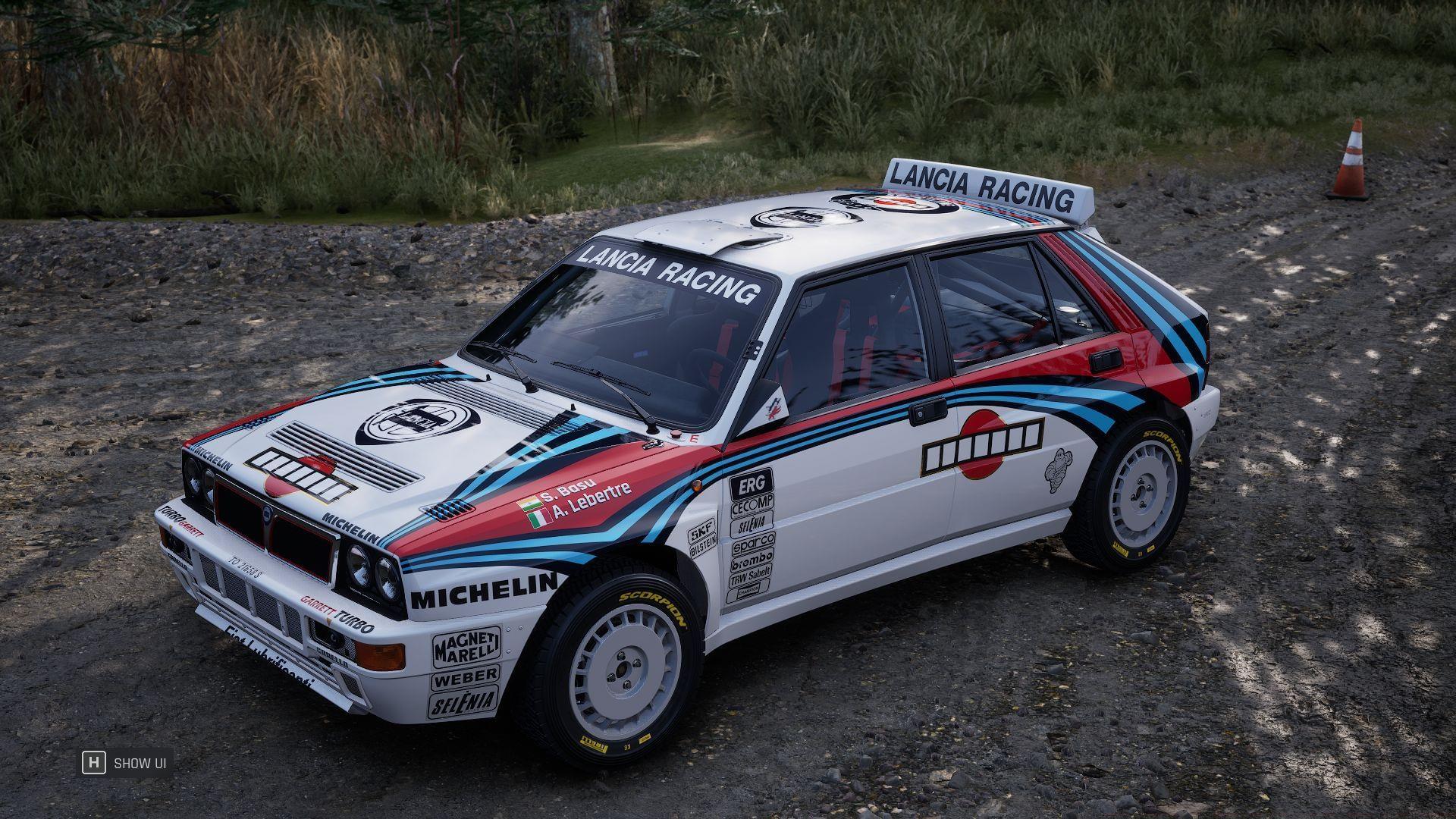
Assetto Corsa Rally stands as one of the most technically demanding racing simulations available, providing players with an exceptionally realistic driving experience across diverse environments. The game’s sophisticated physics engine means that tyre choice directly influences vehicle behavior, traction control, and overall race performance. Understanding how different compounds interact with various surface types represents a fundamental skill for competitive rally driving.
Each rally stage presents unique challenges that demand specific tyre characteristics. From loose gravel surfaces that require aggressive tread patterns to smooth asphalt that benefits from softer compounds, the strategic selection process involves analyzing multiple variables including weather conditions, stage length, and driving style. Mastering these elements separates casual drivers from championship contenders.
Welsh Rally Stages: Conquering Gravel and Weather Challenges
Wales presents rally competitors with some of the most technically demanding gravel stages in the championship, featuring constantly changing elevation through dense forests and rolling hills. The combination of loose surface material and frequently wet conditions creates a driving environment where traction management becomes paramount. Successful navigation requires tyres that can effectively clear debris while maintaining consistent grip through sharp cornering sequences.
The optimal setup for Welsh conditions prioritizes stability and predictability. Medium compound gravel tyres typically provide the best balance between durability and performance, with slightly increased pressure to prevent sidewall damage from hidden rocks and ruts. For wet stages, reducing pressure by 2-3 PSI improves the contact patch area, enhancing water displacement capabilities. Advanced drivers should monitor tyre temperatures closely, as overheating on longer stages can lead to significant performance degradation.
Pro Tip: When facing mixed conditions in Wales, consider using intermediate compound tyres rather than switching between full wet and dry setups. The compromise often provides more consistent lap times than gambling on weather predictions.
Alsace Tarmac Stages: Precision on Asphalt Roads
Alsace’s picturesque vineyard landscapes conceal some of the most technically demanding asphalt stages in rally competition. The region’s roads feature constantly changing grip levels due to varying surface ages, weather conditions, and the frequent transition between open country roads and tight urban sections. Success here demands tyres that provide immediate response and consistent feedback through the steering wheel.
For Vallee De Munster’s flowing sections, medium-hard compound asphalt tyres deliver the optimal balance between warm-up time and durability. The stage’s longer straights followed by technical complexes benefit from tyres that maintain stability at high speeds while providing precise control during heavy braking zones. Saverne’s notorious urban chicanes require softer compounds that generate maximum mechanical grip at lower speeds, with increased camber settings to optimize contact during aggressive direction changes.
Common Mistake to Avoid: Many drivers incorrectly use the same tyre pressure for both Alsace stages. Vallee De Munster benefits from 2-3 PSI higher pressure for high-speed stability, while Saverne performs better with lower pressure for improved mechanical grip in slow corners.
Universal Tyre Setup Guide for All Conditions
While stage-specific optimizations provide peak performance, developing reliable universal setups remains valuable for practice sessions, time attacks, and unfamiliar stages. These baseline configurations sacrifice ultimate performance for versatility and predictability, allowing drivers to focus on technique development rather than constant setup adjustments.
For shorter stages under 5km, softer compound tyres generally provide the best results regardless of surface type. The reduced distance minimizes wear concerns while maximizing available grip from the beginning of the stage. Medium stages between 5-10km benefit from balanced compounds that maintain consistent performance throughout the entire run. Extended stages exceeding 10km demand durability-focused harder compounds, with strategic pressure increases to combat performance degradation over distance.
Practice Strategy: During free practice sessions, intentionally use slightly less optimal tyre setups to develop car control skills. Learning to manage understeer or oversteer with compromised equipment builds fundamental skills that translate to better performance with optimized setups during competitive events.
Advanced Racing Techniques and Common Pitfalls
Beyond basic tyre selection, mastering advanced techniques significantly improves race performance and consistency. Tyre temperature management represents one of the most overlooked aspects among intermediate drivers. Ideal operating temperatures vary by compound, but generally fall between 80-95°C for optimal grip. Monitoring temperature gauges during longer stages helps identify when to adjust driving style to prevent overheating.
Pressure adjustments provide another powerful tuning tool that many drivers underutilize. As a general principle, reduce pressure for improved mechanical grip on technical stages with slower corner speeds, while increasing pressure enhances stability during high-speed sections. Avoid the common mistake of using extreme pressure adjustments—changes beyond 4-5 PSI from manufacturer recommendations typically create more problems than they solve.
Seasoned competitors recommend dedicating practice time to understanding how different tyre combinations affect vehicle balance. Front-to-rear compound mismatches can be used strategically to induce specific handling characteristics, though this advanced technique requires considerable experience to implement effectively without compromising overall performance.
No reproduction without permission:Tsp Game Club » Assetto Corsa Rally Tyre Choice Guide: When to Use Soft, Medium, or Hard Compounds Mastering tyre selection strategies for optimal performance in Assetto Corsa Rally stages and conditions