
TL;DR
- Advanced AI systems create dynamic enemies that remember player actions and adapt strategies
- Companion AI has evolved from basic followers to intelligent partners enhancing gameplay
- Dynamic AI directors adapt challenge levels based on player performance in real-time
- NPC daily routines and reputation systems make game worlds feel truly alive and responsive
- Modern AI continues pushing boundaries with emotional responses and ecosystem simulations
Superior artificial intelligence represents one of the most decisive factors determining a game’s ultimate success. Game AI fundamentally governs how non-player characters behave, respond to player decisions, and execute combat strategies. Even the most visually stunning titles can become frustrating when AI behaves unpredictably or lacks logical consistency.
At its core, artificial intelligence in gaming manages the decision-making processes of NPCs (Non-Player Characters), creating the illusion of intelligent life within virtual worlds. This technology transforms static environments into living ecosystems where characters pursue their own objectives.
When AI systems function poorly, they shatter player immersion and undermine the gaming experience. Conversely, well-implemented AI elevates gameplay, making virtual worlds feel responsive and authentic. The difference between mediocre and exceptional AI often determines whether players remain engaged or abandon a title entirely.
This comprehensive analysis examines groundbreaking AI implementations that have redefined player expectations across multiple gaming genres.
Middle-earth: Shadow of Mordor introduced the groundbreaking Nemesis system, creating some of the most memorable enemy interactions in action-RPG history. This system introduced persistent character relationships that evolved based on combat outcomes.
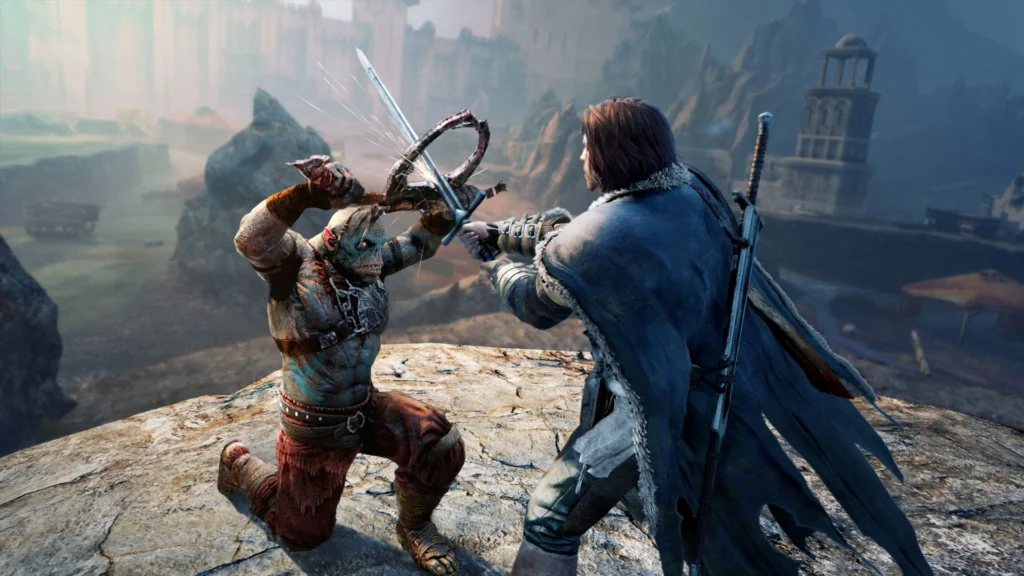
Opposing forces maintain detailed memories of previous encounters, with defeated enemies potentially returning with scars and personalized taunts. Enemies analyze player combat patterns and develop counter-strategies, ensuring battles remain challenging throughout the game.
The game world operates as a living ecosystem where NPCs pursue power struggles independently. Player interventions directly influence faction dynamics and world state evolution, creating emergent storytelling opportunities rarely seen in scripted narratives.
Monolith Productions’ 2005 release F.E.A.R. (First Encounter Assault Recon) established new benchmarks for first-person shooter AI. The game’s enemy combatants demonstrate remarkable tactical coordination rarely matched in subsequent titles.
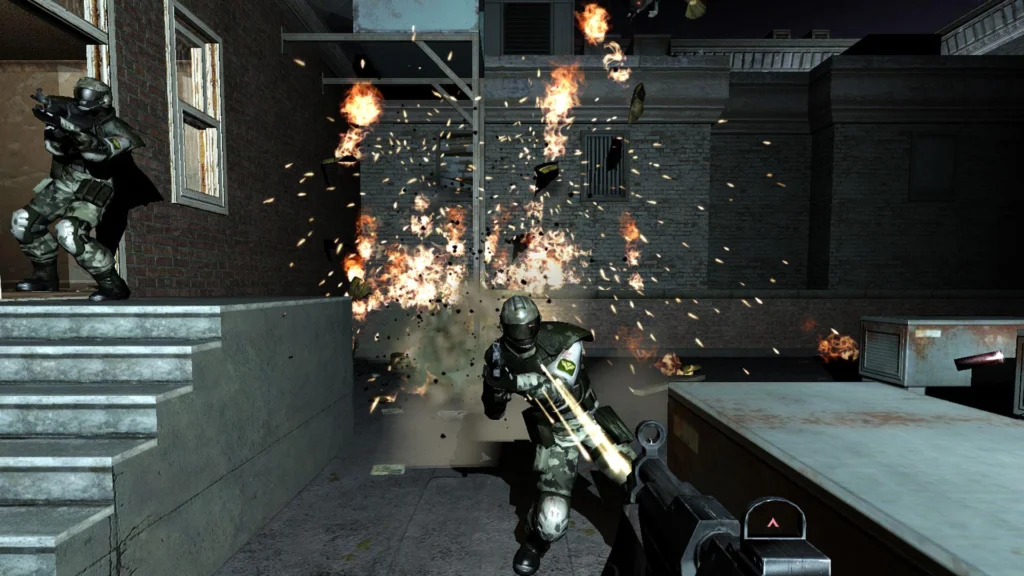
Enemy squads exhibit sophisticated team behaviors including coordinated flanking maneuvers, intelligent cover usage, and adaptive tactical responses. This creates combat scenarios that feel genuinely dynamic rather than following predictable scripted patterns.
Advanced communication systems allow enemies to share player position data and execute complex assault strategies. The AI’s ability to respond to player positioning and weapon choices makes each encounter feel uniquely challenging and strategically demanding.
Creative Assembly’s 2014 survival horror masterpiece Alien: Isolation features one of gaming’s most terrifying AI implementations. The Xenomorph operates with non-scripted behavioral patterns that learn from player hiding strategies over time.

The alien creature demonstrates sophisticated learning capabilities, remembering successful player hiding locations and systematically checking similar areas in subsequent encounters. This creates genuine tension as players cannot rely on memorized patterns.
However, players should note that higher difficulty settings create artificial tension through constant proximity rather than organic hunting behavior.
Strategic tip: Vary your hiding locations frequently and use environmental distractions to misdirect the alien’s search patterns, preventing it from learning predictable player behaviors.
The Halo franchise demonstrates remarkable AI evolution across its multi-decade lifespan. Beginning with Halo: Combat Evolved in 2001, enemy combatants began demonstrating adaptive behaviors, improved squad coordination, and genuine tactical awareness.
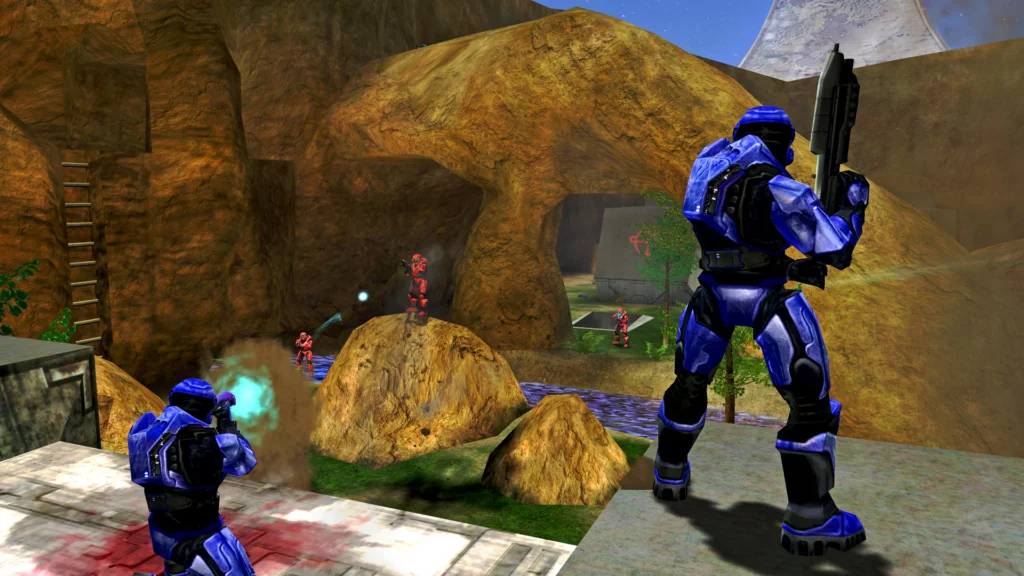
The series introduced innovative fear mechanics where eliminating squad leaders causes remaining enemies to panic and retreat. Each subsequent installment refined enemy decision-making, accuracy, attack combinations, and behavioral diversity.
Valve’s 1998 release Half-Life marked a watershed moment for enemy AI sophistication. Rather than employing simplistic charge-and-attack patterns, enemies demonstrated varied tactical approaches and situational awareness.
Half-Life 2 significantly advanced these systems with enemies utilizing cover more effectively and executing coordinated flanking maneuvers.
Alyx Vance represented a breakthrough in companion AI design, providing meaningful assistance without requiring constant player management.
Valve’s cooperative zombie shooter Left 4 Dead revolutionized dynamic difficulty adjustment through its innovative AI Director system. This technology monitors player performance metrics and adjusts challenge parameters accordingly.
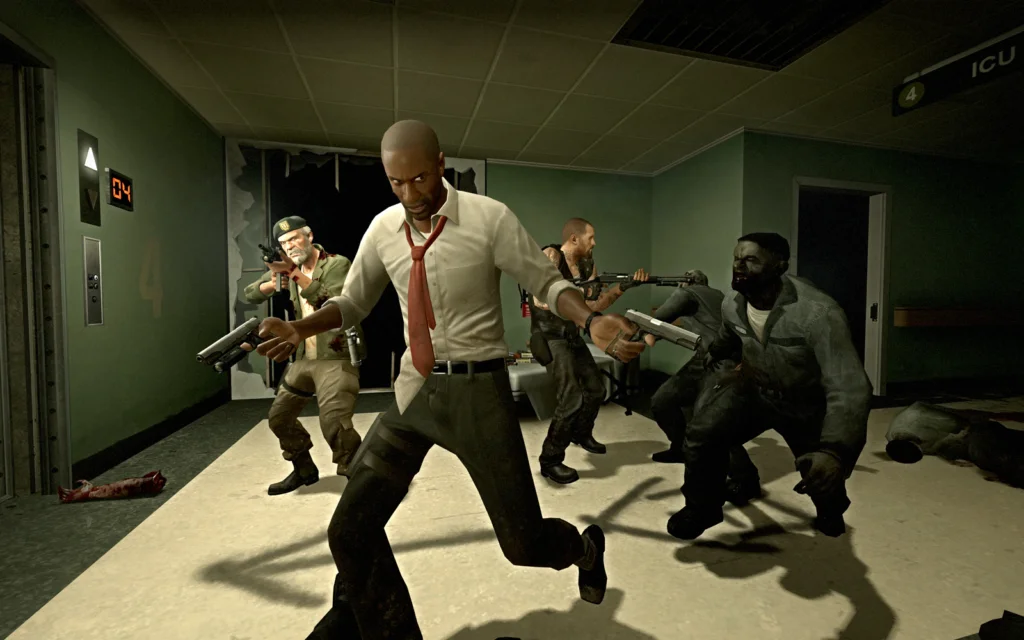
The system dynamically modifies enemy spawn rates, special infected appearances, and item placements based on real-time player performance assessment.
Combat realism received significant enhancement through location-based damage reactions. Zombies respond differently to limb shots versus torso impacts, creating more immersive and tactical combat experiences.
Gothic’s AI implementation established new standards for role-playing game immersion through sophisticated NPC behavior systems. Characters follow occupation-based daily routines and respond to player intrusions with context-appropriate reactions.

NPCs develop personalized opinions about the player character based on interactions and reputation. These relationships dynamically influence how characters engage with the player throughout the game world.
Kingdom Come: Deliverance II builds upon these foundations with enhanced reputation systems where villagers react authentically to player behavior patterns.
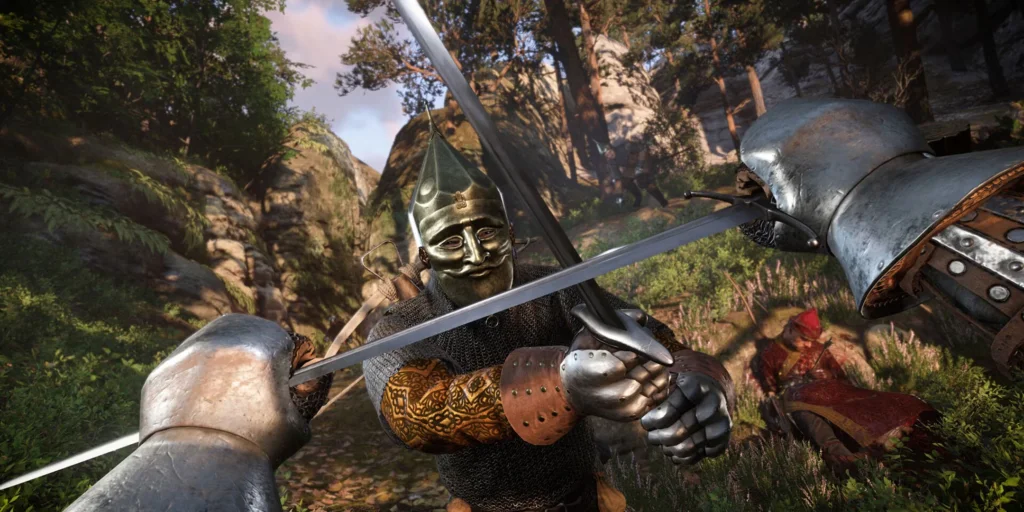
Common mistake: Players often underestimate how quickly reputation spreads, leading to unexpected hostile reactions from previously friendly NPCs.
BioShock Infinite’s Elizabeth represents a paradigm shift in companion AI design. Rather than functioning as a liability requiring constant protection, she actively contributes to gameplay success through intelligent assistance behaviors.

Enemy combatants demonstrate adaptive battlefield behaviors, though their implementation avoids feeling overly scripted or predictable throughout combat encounters.
LucasArts’ Star Wars: Republic Commando features exceptionally implemented squad artificial intelligence. Teammates function as genuine combat partners rather than passive followers awaiting player direction.
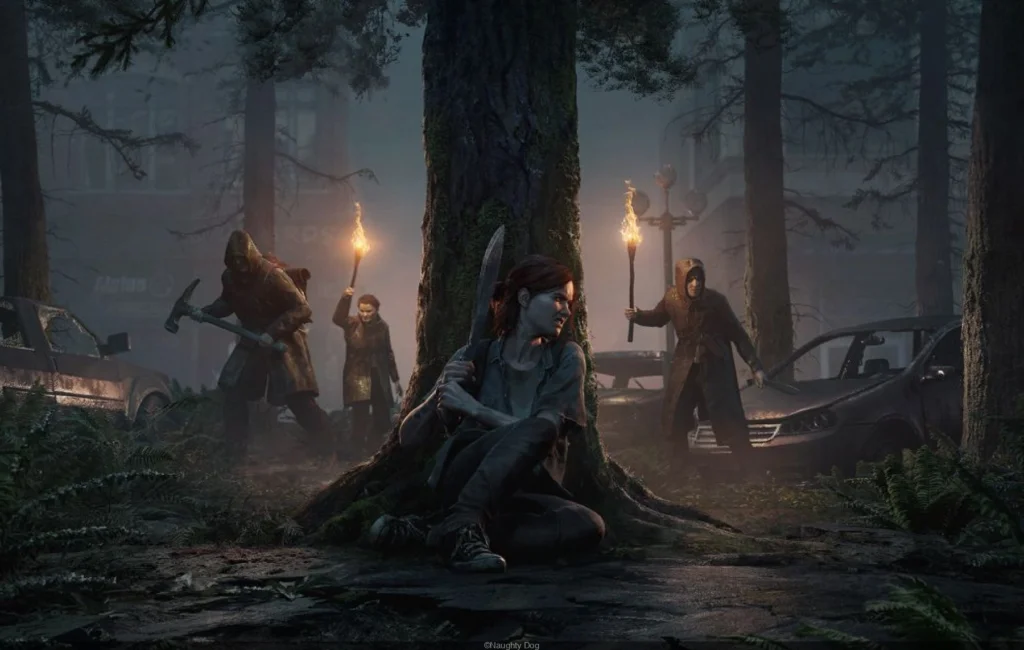
The Last of Us Part II demonstrates substantial AI improvements over its predecessor. Enemy combatants employ diverse tactical approaches, strategic repositioning, and active counter-measures against player strategies.
Advanced emotional response systems create more authentic enemy reactions, including panic responses to fallen comrades and situational fear behaviors.
Red Dead Redemption 2 features one of gaming’s most sophisticated open-world AI implementations. NPCs pursue independent daily lives rather than existing as static map decorations.

Reputation mechanics significantly influence law enforcement interactions and civilian responses. Environmental interactions produce long-term consequences, creating genuinely responsive world systems.
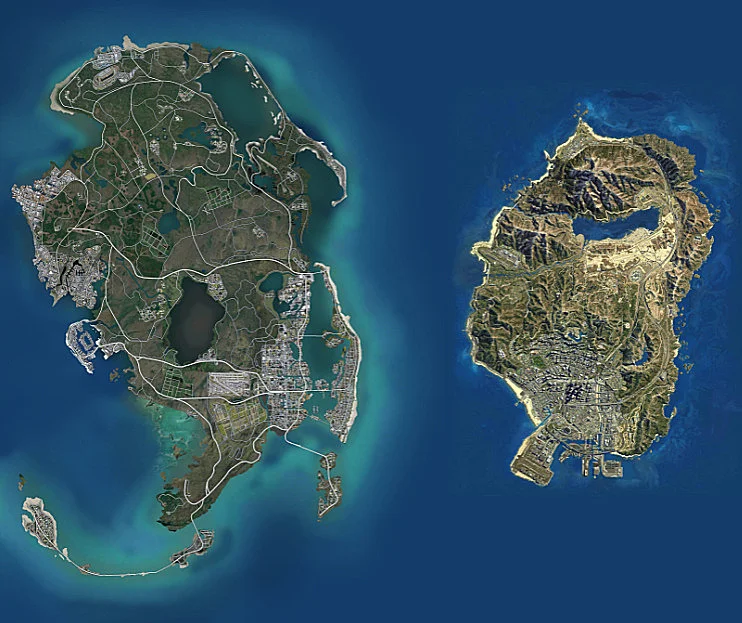
Grand Theft Auto V continues Rockstar’s tradition of exceptional open-world AI design. NPCs demonstrate varied response patterns to player actions, making the game world feel authentically dynamic and alive throughout the experience.
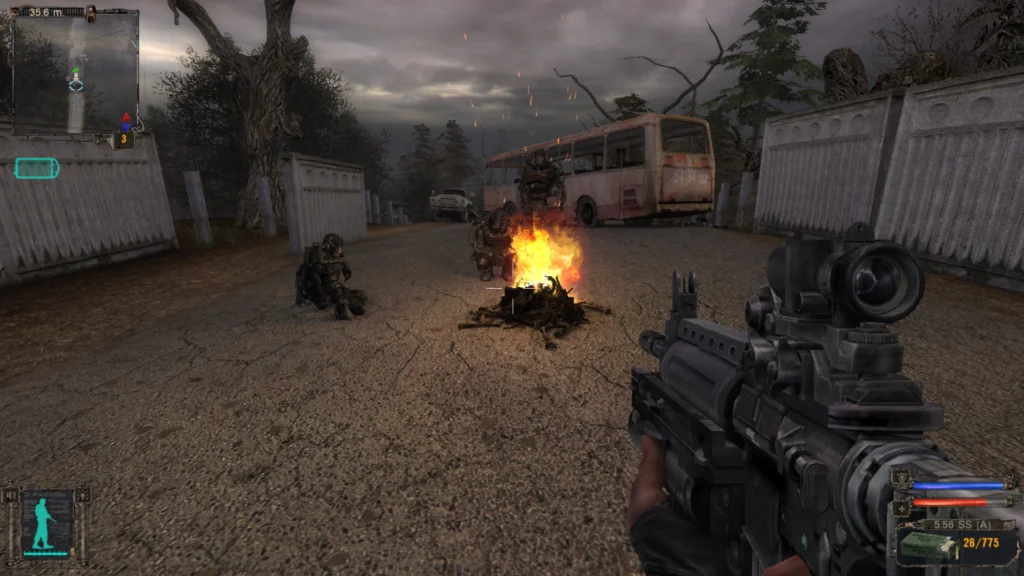
Since its 2007 debut, S.T.A.L.K.E.R.: Shadow of Chernobyl has utilized the innovative A-Life AI system. This technology enables NPCs and mutant creatures to exist independently within the Zone’s ecosystem.
Starcraft 2 features exceptionally challenging artificial intelligence that adapts to every strategic decision the player makes.
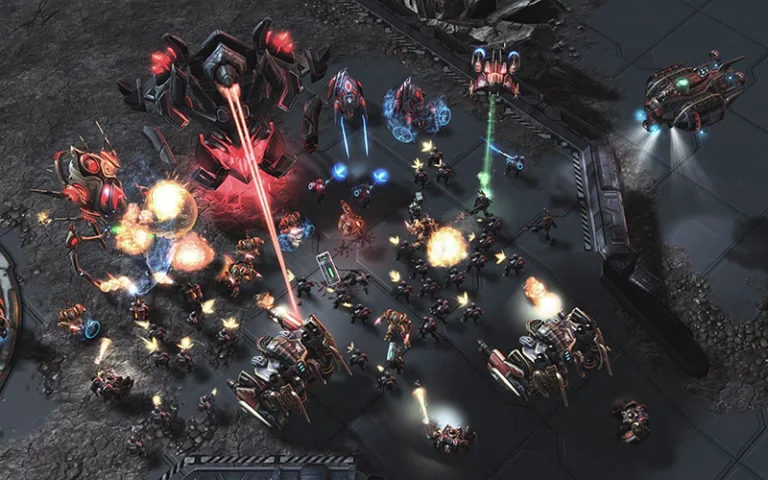
The game’s complexity attracted Google DeepMind’s attention for AlphaStar AI development, demonstrating its value as an advanced machine learning testing environment.
Sophisticated artificial intelligence represents a cornerstone of exceptional game design, transforming static environments into vibrant, responsive worlds. Game AI fundamentally shapes how non-player characters behave, respond to player decisions, and challenge combat proficiency. When poorly executed, AI can undermine even the most visually stunning titles, creating frustrating experiences that break player immersion.
AI in video games
At its core, artificial intelligence in gaming governs the decision-making processes of non-player characters (NPCs) – the digital inhabitants that populate game worlds.
The implementation of AI during development critically determines whether NPCs feel like authentic residents or robotic puppets. Illogical AI behavior instantly shatters suspension of disbelief, while well-crafted systems enhance engagement by making virtual environments feel genuinely alive and reactive.
This examination highlights groundbreaking AI implementations across multiple genres, showcasing how intelligent systems elevate player experiences beyond scripted encounters.
Starcraft 2
Competitive players consistently rank Starcraft 2’s artificial intelligence among the most demanding competitive systems ever designed. The game’s reputation as one of the most challenging real-time strategy titles stems from its remarkably adaptive opponent behavior.
The AI continuously analyzes and counters player strategies, requiring constant tactical adjustments. Google DeepMind notably utilized Starcraft 2 to develop its AlphaStar AI, validating the game’s complexity as an ideal testing platform for cutting-edge machine learning algorithms.
Star Wars: Republic Commando
LucasArts delivered an exceptional tactical shooter with Star Wars: Republic Commando, set within the expansive Star Wars universe and featuring remarkably sophisticated artificial intelligence systems.
Squad members function as proactive combat partners rather than passive followers awaiting player direction. They demonstrate intelligent battlefield behavior, consistently providing medical support to teammates and the protagonist, thereby reinforcing cohesive unit dynamics. Mastering command execution in Republic Commando frequently determines victory in otherwise overwhelming engagements.
The Last of Us Part II
Numerous gamers contend that The Last of Us Part II incorporates artificial intelligence substantially more advanced than the original installment. Adversarial behavior demonstrates heightened realism – opponents deploy diverse combat approaches, reposition tactically, and actively neutralize player maneuvers. Furthermore, they display genuine emotional responses to fallen comrades, occasionally exhibiting panic or distress reactions.
Companion artificial intelligence has undergone significant refinement as well. Allies now assume more assertive combat roles, intelligently positioning themselves for offensive actions. Throughout stealth segments, they become significantly more difficult for enemies to identify, establishing them as more capable partners across the entire gameplay experience.
BioShock Infinite
BioShock Infinite remains celebrated not just for its distinctive setting and compelling mechanics but also for its thoughtfully engineered AI. Many players regard Elizabeth as the quintessential example of a companion who enriches rather than impedes the adventure. She provides active assistance to players, substantially improving gameplay enjoyment. Consequently, numerous gaming enthusiasts consider this title an exemplary demonstration of artificial intelligence implementation in interactive entertainment.
Regarding enemy artificial intelligence, while not flawless, it successfully avoids appearing excessively predetermined. Adversaries strive to adapt to combat scenarios and respond dynamically to evolving situations.
Red Dead Redemption 2
Red Dead Redemption 2 stands among the most accomplished games ever created, attributable not merely to its exceptional narrative and visual presentation but equally to its meticulously developed artificial intelligence. Non-player characters don’t simply occupy map locations – they pursue independent existences. Should players repeatedly assault them, they might begin fleeing upon detection. Player reputation fundamentally shapes interactions with both civilians and law enforcement personnel. Moreover, players can engage meaningfully with their surroundings, and their decisions produce lasting repercussions throughout the game world.
Opponents employ varied tactical approaches and coordinate assaults rather than initiating straightforward confrontations. The game’s animal inhabitants additionally demonstrate authentic behaviors – equines may become startled by predators and retain memory of riding techniques, while carnivores pursue vulnerable prey, and avian species respond to firearm discharges.
GTA 5
Another exemplary Rockstar production, Grand Theft Auto V, incorporates an artificial intelligence framework approaching technical perfection.
NPCs exhibit differentiated responses to player activities, and each action can initiate multiple reaction patterns. The environment feels extraordinarily vibrant and active, substantially deepening player immersion.
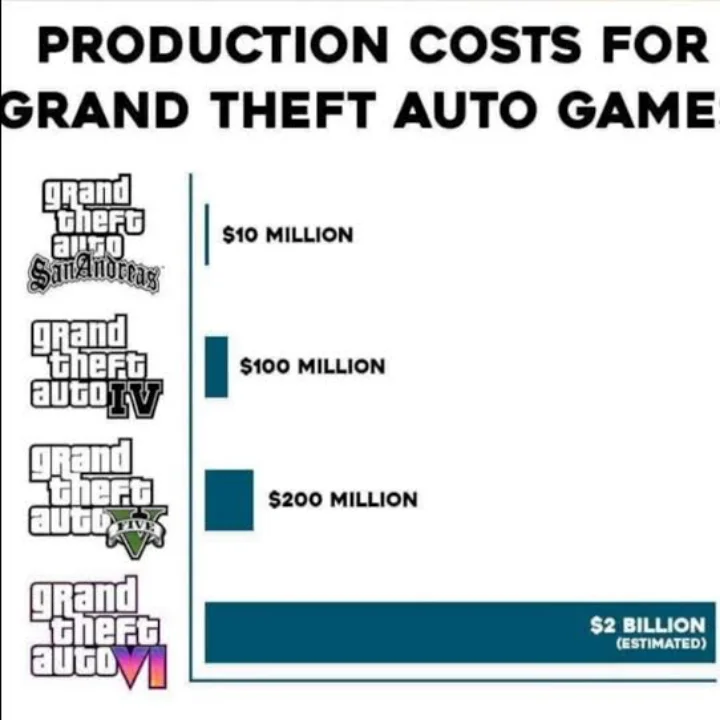
Nevertheless, with the impending launch of GTA 6, Rockstar possesses the potential to establish unprecedented standards for artificial intelligence in the gaming industry.
S.T.A.L.K.E.R.
Since the debut of S.T.A.L.K.E.R.: Shadow of Chernobyl in 2007, the franchise has employed the A-Life artificial intelligence architecture, enabling NPCs and mutants to conduct autonomous existences within the Zone. This eradicates sensations of a stationary game universe and meaningfully amplifies immersive qualities.
With S.T.A.L.K.E.R. 2: Heart of Chornobyl, the development team committed to delivering an enhanced artificial intelligence framework, A-Life 2.0. However, upon initial release, the system demonstrated imperfections – similar to the game overall – though programmers persist in implementing refinements.
Kingdom Come: Deliverance II
Kingdom Come: Deliverance II achieved immediate commercial success following its launch and currently represents a formidable candidate for premier gaming title of 2025. Players have commended its artificial intelligence, observing substantial enhancements compared to the initial installment.
NPCs now respond fluidly to player standing and conduct, indicating that community members might engage with either antagonism or benevolence contingent upon behavioral patterns.
When evaluating AI systems across different gaming genres, it’s essential to recognize that the most effective implementations create genuine unpredictability while maintaining internal consistency. Players should experiment with different approaches to discover how systems respond, as this often reveals hidden depth in well-designed artificial intelligence frameworks. Understanding these mechanics can significantly enhance both enjoyment and tactical proficiency.
Action Checklist
- Analyze enemy adaptation patterns in F.E.A.R. to understand tactical AI principles
- Experiment with different hiding strategies in Alien: Isolation to test the Xenomorph’s learning capabilities
- Study reputation mechanics in Red Dead Redemption 2 to understand dynamic NPC interactions
- Practice squad command systems in Star Wars: Republic Commando to master team-based AI coordination
- Test enemy adaptation by repeating the same tactics multiple times
- Observe NPC daily routines across different in-game time periods
- Experiment with reputation systems to gauge behavioral changes
- Analyze companion AI effectiveness in combat and stealth scenarios
No reproduction without permission:Tsp Game Club » Best AI in games Experience smarter enemies, adaptive challenges, and truly living game worlds through revolutionary AI.