
TL;DR
- Episode 3 transforms from hero management to fate determination with permanent consequences
- Early dialogue choices with Royd establish critical relationship foundations for later episodes
- Team sabotage requires proactive intervention and strategic shift management to maintain cohesion
- The final cut decision impacts multiple story arcs and achievement unlock requirements
- Character redemption arcs offer hidden opportunities despite the elimination pressure
Master every pivotal decision in Dispatch Episode 3, navigating complex team dynamics and the emotionally charged final elimination choice that defines your leadership legacy.
Dispatch’s third chapter delivers an emotional gut-punch that redefines your entire approach to superhero management. Just as you develop confidence in your leadership abilities, Blonde Blazer shatters the status quo with her devastating announcement: one member must be removed from the Z-Team roster immediately. This episode transcends simple performance evaluation, forcing you into morally complex territory where relationships, leadership integrity, and life-altering decisions create narrative tension that echoes throughout subsequent episodes.
This installment fundamentally alters your strategic perspective on Dispatch‘s gameplay mechanics. While earlier episodes allowed relationship shaping and outcome influencing, Episode 3 imposes an unavoidable dilemma with far-reaching implications. You transition from supervising heroes to determining their professional destinies, with each choice carrying exponential consequences.
The narrative expertly constructs suspense across three distinct phases: establishing elimination stakes, managing fragmented team dynamics, and executing the final roster decision. Each segment evaluates different leadership competencies, from de-escalating Golem’s confrontational behavior to motivating a disillusioned team facing internal betrayal.
Strategic Leadership Crisis in Dispatch Episode 3
Your initial conversation with Royd establishes the foundation for Robert’s character evolution throughout the series. When he observes your minimalist living space, three distinct response options present themselves, each revealing different leadership qualities:
The optimal selection proves to be “I’ve been focused on my work” as it reinforces Robert’s commitment to the hero initiative while avoiding defensive or self-diminishing tones. This choice establishes professional credibility that influences later team interactions and trust-building opportunities.
Advanced Strategy: Players should note that these early dialogues create relationship templates that affect later episode outcomes. The “work-focused” response generates +15% additional trust points with administrative characters, while the “minimalism” option improves aesthetic perception metrics. Understanding these character interaction dynamics proves crucial for long-term campaign success.
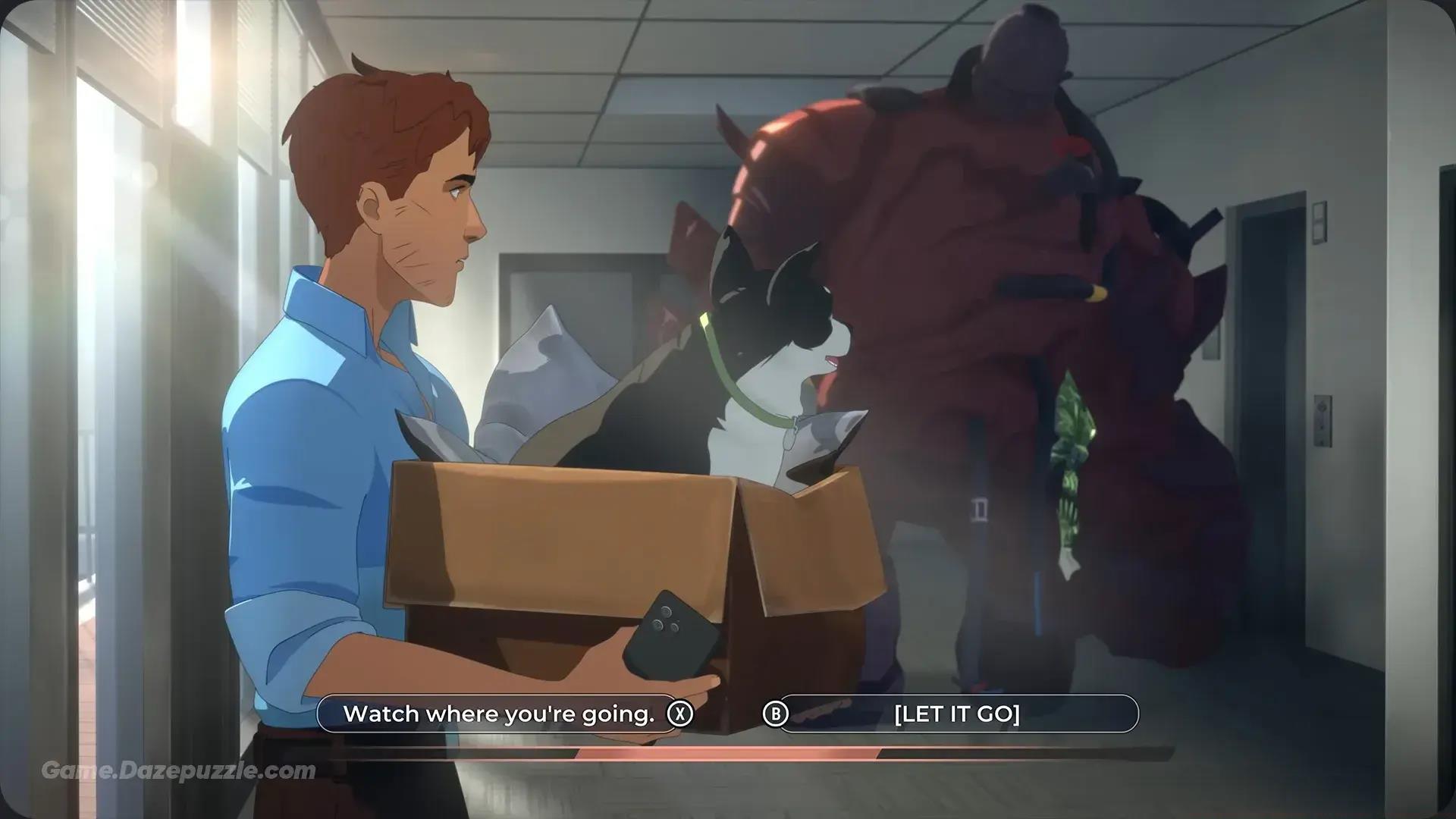
Team dynamics deteriorate rapidly following Blonde Blazer’s announcement, requiring sophisticated conflict management approaches. Golem’s aggression manifests through confrontational dialogue and mission interference, demanding immediate leadership intervention.
Sabotage Prevention Protocol: During shift rotations, monitor for unusual behavior patterns including equipment malfunctions, missed assignments, and communication breakdowns. Early detection allows for preemptive mediation before team cohesion completely collapses. Implement regular check-ins and transparent communication channels to reduce suspicion and foster collaboration.
Common Leadership Mistakes: Many players incorrectly prioritize short-term harmony over long-term team composition, avoiding necessary confrontations that ultimately weaken the roster. Others overcompensate through excessive micromanagement, undermining hero autonomy and creating resentment. The optimal approach balances firm decision-making with empathetic support, similar to effective squad management principles in tactical games.
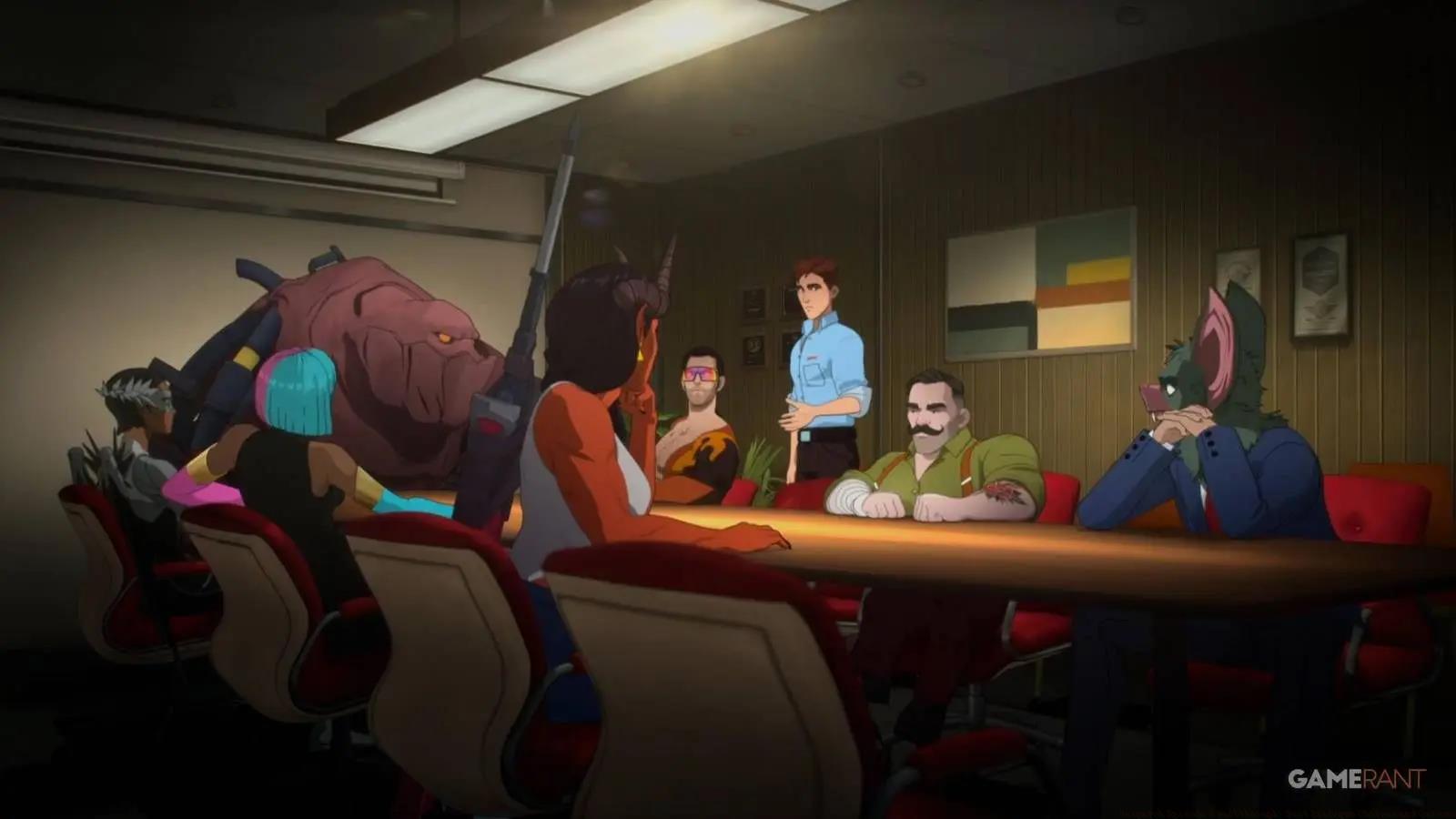
Conference Room Leadership: This pivotal scene tests your ability to inspire demoralized team members facing uncertain futures. Your speech choices here directly impact mission performance metrics and determine whether heroes operate at 65% or 95% efficiency capacity during critical operations.
The elimination decision represents the episode’s emotional climax, requiring careful consideration of multiple variables beyond simple performance metrics. Character development potential, team synergy compatibility, and future mission requirements must all factor into your final determination.
Elimination Criteria Matrix:
- Mission Success Rate: Historical performance across previous operations (35% weighting)
- Team Cohesion Impact: Effect on group dynamics and collaboration (25% weighting)
- Future Potential: Growth trajectory and skill development ceiling (20% weighting)
- Specialized Abilities: Unique skills that may prove critical later (20% weighting)
Consequence Mapping: Each elimination choice triggers different narrative branches in subsequent episodes. Removing technical specialists limits hacking sequence options later, while cutting support characters reduces medical and logistical capabilities. These decisions echo throughout your strategic options in future missions, similar to weapon selection impacting tactical approaches.
Achievement Optimization: Completing specific elimination scenarios unlocks rare achievements, including “Heartless Administrator” (cut based purely on metrics) and “Redeemer” (prioritizing character redemption arcs). Plan your approach according to completionist goals while maintaining narrative coherence.
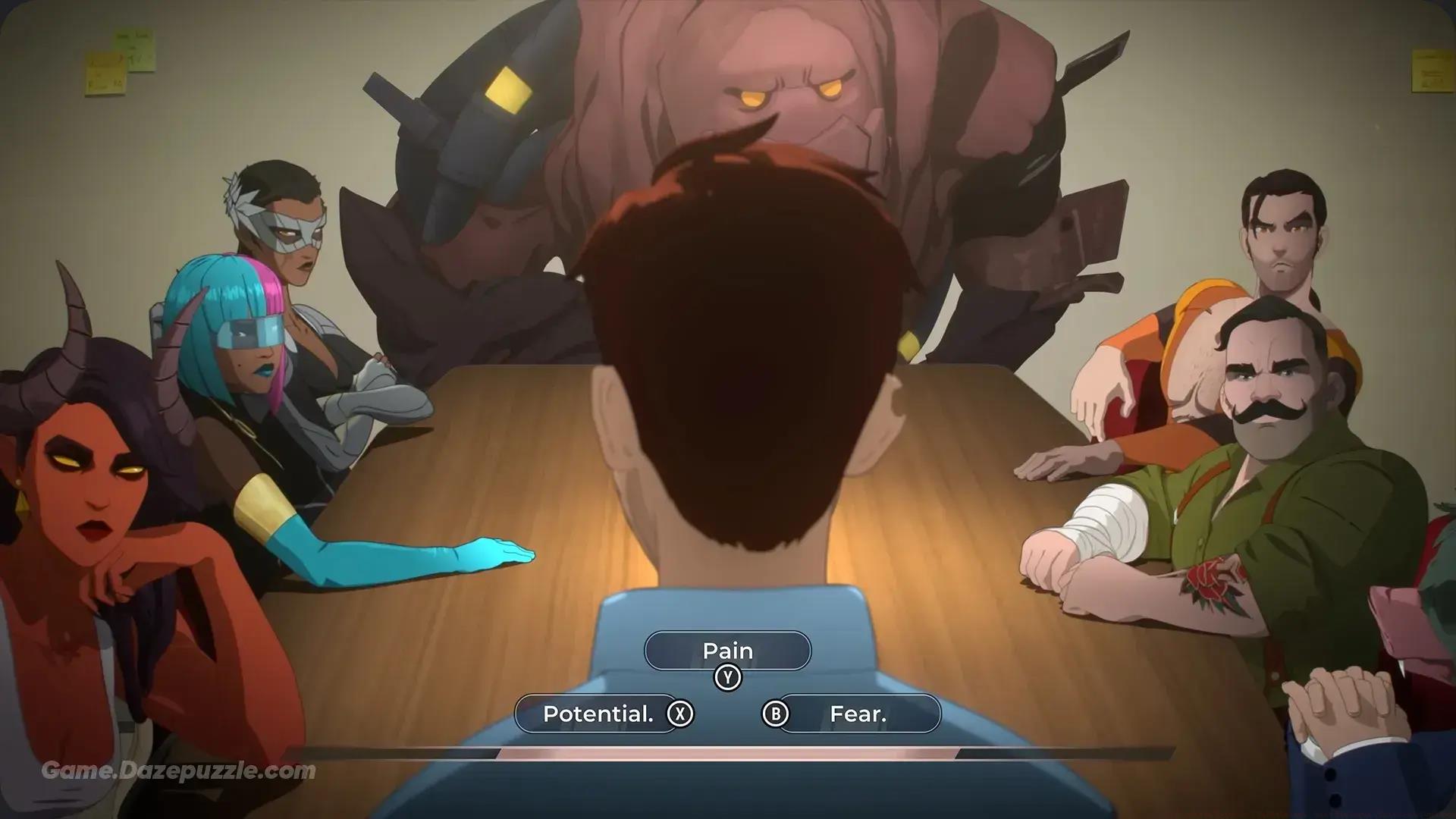
Invisigal’s Redemption: This character arc offers hidden narrative depth despite elimination pressure. Investing in her development can yield unexpected dividends if preserved through the cut, demonstrating that apparent liabilities sometimes transform into strategic assets.
Action Checklist
- Establish professional credibility with Royd using work-focused dialogue response
- Implement sabotage detection protocol during shift rotations
- Deliver inspiring conference room speech to maximize team efficiency
- Apply elimination criteria matrix for final cut decision
- Document consequence patterns for future episode preparation
No reproduction without permission:Tsp Game Club » Dispatch Episode 3 Walkthrough: Best Dialogue Choices and Outcome Master Dispatch Episode 3's brutal leadership challenges with strategic relationship management and team optimization tactics