
TL;DR
- Chaingunner Soldiers dominate early game with shields and rapid-fire weapons requiring specific counter-strategies
- Vagary’s armor makes it immune to damage until broken, requiring focused fire on weak points
- Hell Knights scale dramatically throughout the game, becoming heavily armored ambush specialists
- Nightmare Imp Stalkers use invisibility to create constant positional threats requiring awareness
- Cyberdemons demand glory strike execution and precise parry timing to overcome their tankiness
Doom The Dark Ages presents players with a diverse roster of formidable adversaries that serve distinct roles throughout the campaign, ranging from standard infantry to elite champions and devastating boss encounters. Many of these enemies feature unique mechanics that can catch unprepared players off guard, creating memorable combat scenarios that test both reflexes and strategic thinking. Having completed multiple playthroughs across different difficulty settings, I’ve compiled this comprehensive guide to help you anticipate and overcome the most challenging encounters the game has to offer.
Each enemy type introduces specific combat puzzles that require mastering different approaches, weapon selections, and movement patterns. Understanding these mechanics early will significantly improve your survival chances and combat efficiency throughout the campaign.
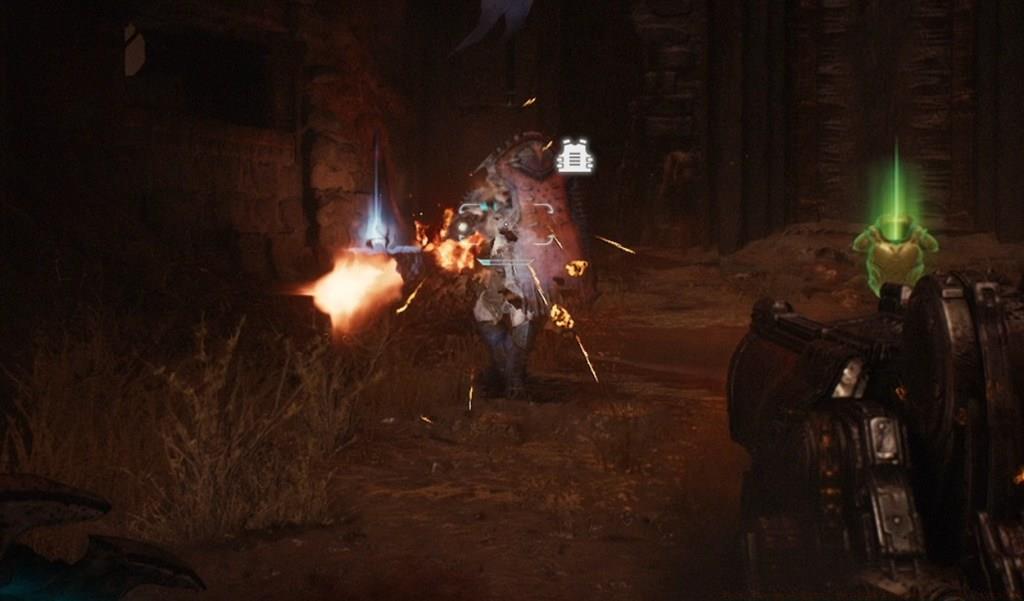
The Chaingunner Soldier distinguishes itself from basic shielded opponents by combining defensive capabilities with overwhelming offensive pressure through its rapid-fire mini-gun. This combination creates significant early-game challenges that many players struggle to overcome efficiently.
During initial encounters, the Chaingunner’s energy shield presents a substantial barrier that requires sustained focused fire or specific weapon types to break. The plasma rifle proves particularly effective against shield mechanics, while the combat shotgun’s spread pattern can bypass partial coverage when positioned correctly. Meanwhile, the mini-gun maintains constant suppression, limiting your positioning options and movement freedom.
Strategic Insight: Prioritize shield destruction before engaging other targets, as the Chaingunner becomes significantly less threatening once its primary defense is neutralized. Use environmental cover to break line of sight during reload cycles, then advance aggressively during these brief windows of opportunity.
As you progress through the campaign and acquire more powerful arsenal options, the Chaingunner Soldier transitions from a major threat to manageable opposition. This progression exemplifies the game’s careful enemy difficulty scaling system.
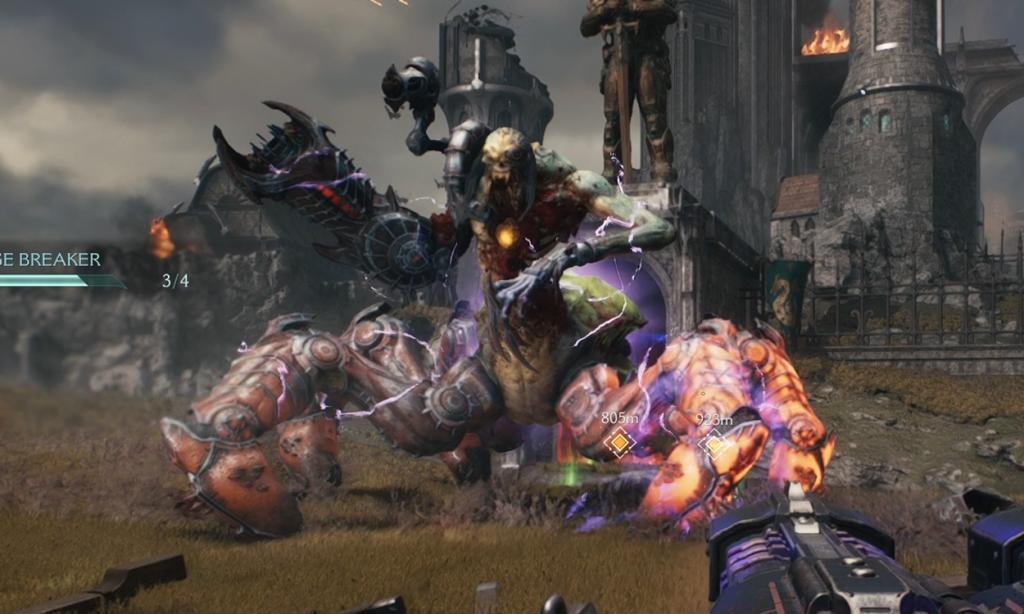
Vagary presents as a grotesque arachnid-inspired demonic entity featuring comprehensive armored plating across its limbs and cephalothorax. Serving as an early-game champion encounter, this enemy introduces players to the game’s armor mechanics system.
The primary challenge stems from Vagary’s damage immunity while its armor remains intact, requiring players to identify and target specific weak points. The leg joints offer the most consistent vulnerability points, with successful strikes temporarily staggering the creature and creating attack opportunities.
Movement Analysis: Vagary utilizes rapid lateral movement combined with sudden forward charges, making consistent targeting difficult. Pre-aiming at anticipated movement paths and utilizing area-denial weapons like the flamethrower can effectively limit its mobility options.
Early-game weapon limitations mean you’ll need to conserve ammunition for armor-piercing options specifically. The rocket launcher proves exceptionally effective but requires careful spacing to avoid self-damage during its aggressive advances.
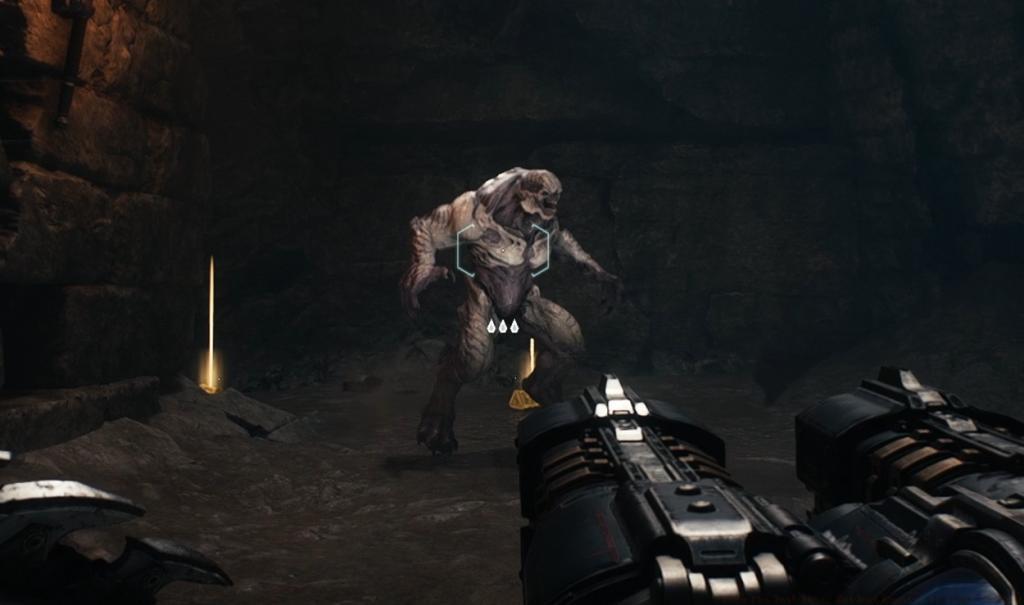
Hell Knights establish themselves as among the most tactically versatile enemies in Doom The Dark Ages through their dynamic spawn behaviors and aggressive leap attacks that inflict substantial damage upon impact.
These demons undergo significant power progression throughout the campaign, beginning as formidable early-game threats and evolving into heavily armored late-game specialists. Advanced variants feature complete armor suits that dramatically increase their durability, particularly problematic during multi-enemy engagements where focus becomes divided.
Environmental design frequently compounds the Hell Knight challenge through confined combat spaces that limit evasion options when facing multiple specimens simultaneously. Critical Mistake: Many players underestimate their leap distance and attack speed, resulting in unexpected damage spikes during critical moments.
The combat silver lining lies in their attack predictability – nearly all Hell Knight offensive moves can be parried with proper timing. Mastering the parry rhythm transforms these encounters from frantic struggles to controlled engagements.
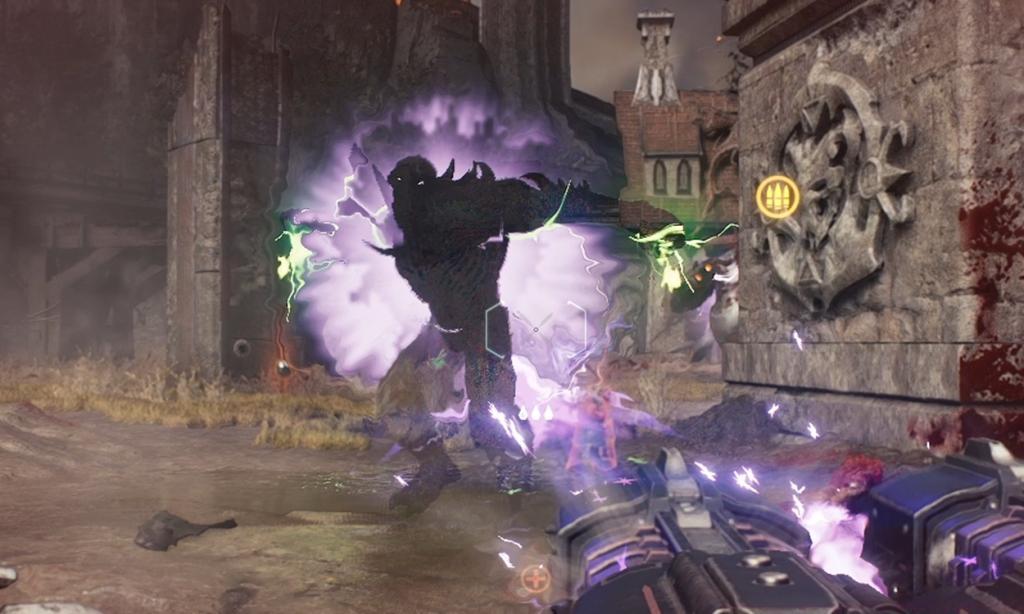
Nightmare Imp Stalkers unquestionably rank among the most frustrating opposition in Doom The Dark Ages due to their unique stealth capabilities. These creatures employ advanced optical camouflage that renders them nearly invisible during standard movement, creating constant positional uncertainty during combat.
Their combat methodology revolves around exploiting distraction – they patiently wait until your attention engages other threats before decloaking directly behind your position to execute rapid scratch combos. While individually lacking in durability or damage output, their persistence creates cumulative pressure that disrupts tactical flow.
Detection Techniques: While invisible, Nightmare Imp Stalkers produce distinctive audio cues including faint scraping sounds and distorted breathing. Advanced players learn to track these auditory signatures to anticipate attack vectors before they materialize.
The key to managing these enemies lies in establishing consistent scanning patterns and prioritizing their elimination before engaging more visually prominent threats. Their psychological impact often outweighs their actual combat effectiveness.
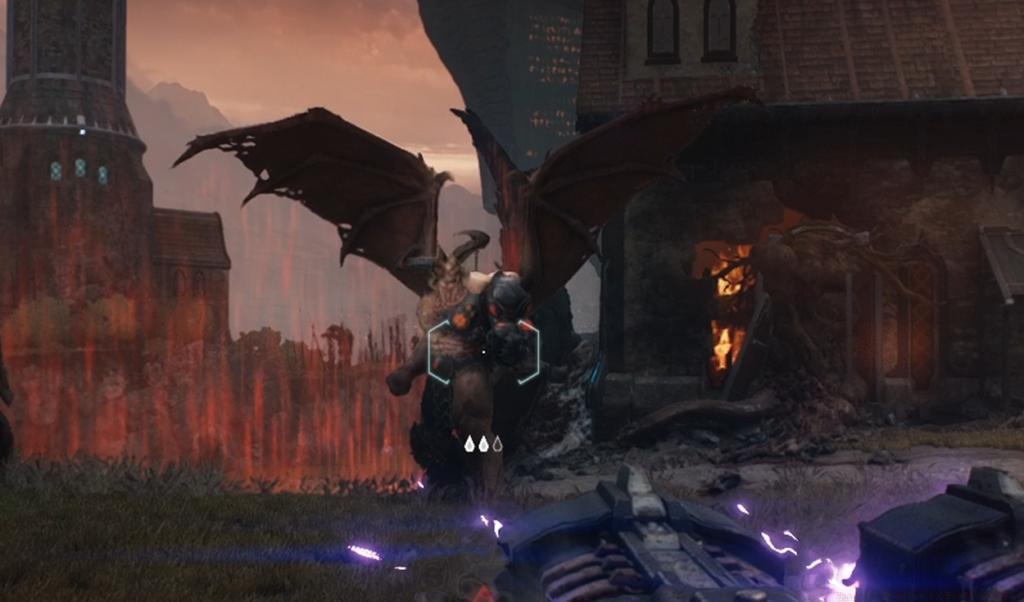
The Cyberdemon represents one of the game’s heavyweight combat specialists, featuring a diverse arsenal including close-range physical attacks, homing projectiles, and sustained minigun barrages. Its exceptional durability demands specific combat approaches rather than brute force attrition.
The core mechanic governing Cyberdemon encounters involves the glory strike system – you must successfully land a glory strike to temporarily disable its defenses and enable execution opportunities.
Attack Pattern Recognition: The Cyberdemon’s close-range attacks follow predictable wind-up animations that signal parry opportunities. However, these strikes deliver massive damage and execute rapidly, requiring precise timing rather than reactionary responses.
Optimal engagement strategy involves maintaining mid-range distance to avoid its powerful melee attacks while remaining close enough to capitalize on glory strike openings.
Weapon selection proves crucial – the super shotgun delivers optimal damage during vulnerability windows, while the gauss cannon can penetrate its armored plating during standard phases.
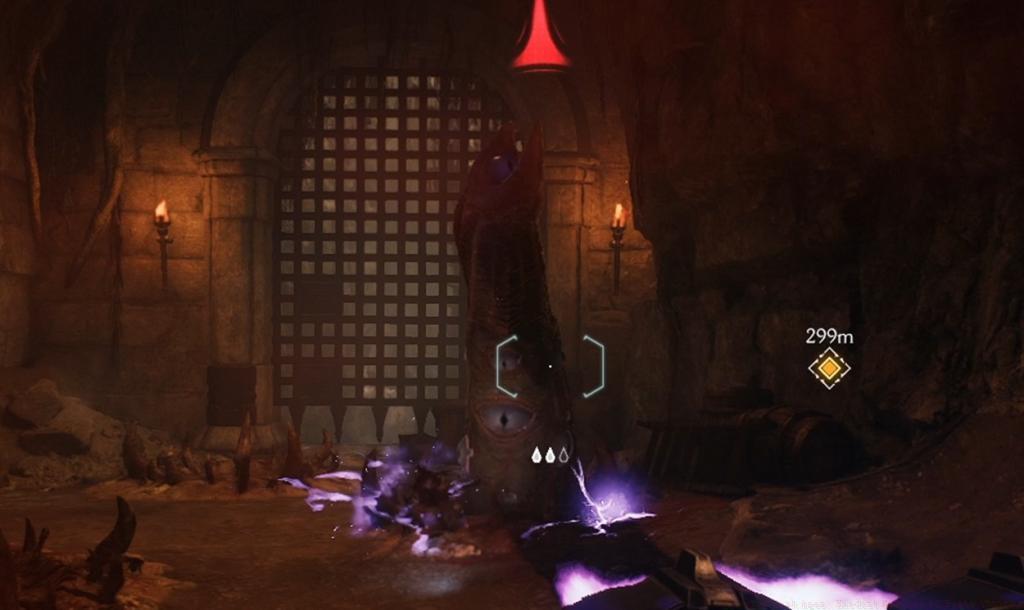
Tentacles introduce a unique environmental combat dynamic rather than traditional mobile adversaries. These stationary but deadly appendages emerge from specific terrain features, creating area denial challenges that must be navigated carefully.
These enemies feature extended reach that can catch players off guard, particularly in complex multi-level environments where vertical positioning becomes relevant. Their attack patterns combine sweeping motions with precise strikes, requiring adaptive dodging rather than pattern memorization.
Elimination Priority: While Tentacles don’t pursue players aggressively, their persistent area control can severely limit tactical options during larger engagements.
The most effective counter-strategy involves identifying their fixed positions early and utilizing long-range weapons to eliminate them before entering their effective range. The heavy cannon with scope attachment proves exceptionally effective for this purpose.
Advanced players learn to use Tentacles strategically by luring other enemies into their attack range, effectively turning environmental hazards into tactical assets.
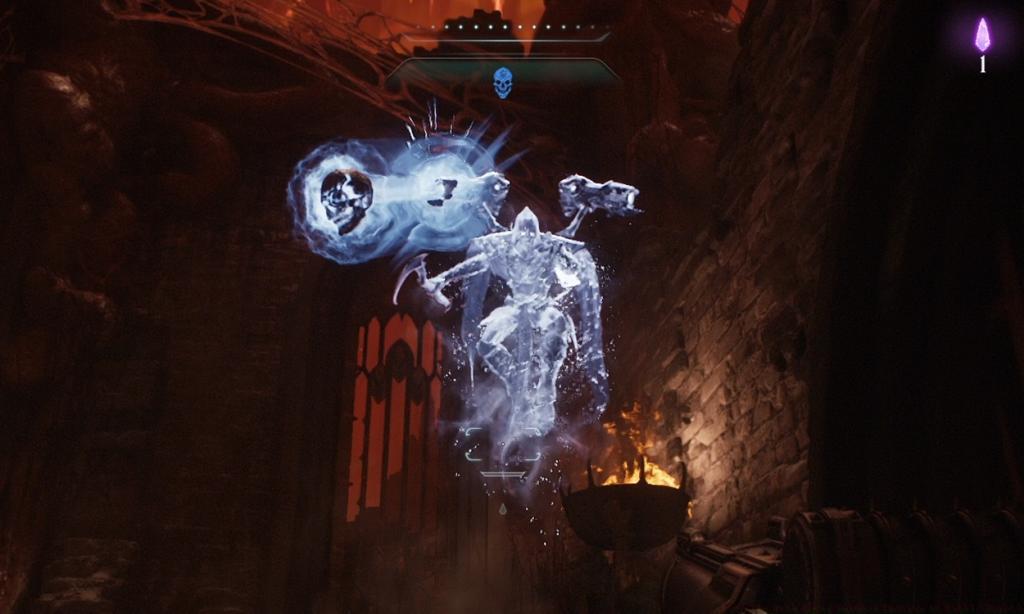
Revenants present a multidimensional combat challenge through their flight capabilities and projectile-based offense. Their aerial mobility allows them to access positions inaccessible to ground-based enemies, creating unique targeting challenges.
These skeletal warriors utilize hit-and-run tactics, firing homing missiles from altitude before repositioning. This approach forces players to constantly adjust aim and anticipate movement vectors rather than maintaining static firing positions.
Projectile Management: Revenant missiles feature moderate tracking capabilities that require specific dodging techniques – lateral movement proves more effective than backward retreat against their pursuit mechanics.
Weapon selection significantly impacts engagement difficulty. The plasma rifle’s projectile speed makes it ideal for hitting moving aerial targets, while the rocket launcher’s area effect can compensate for slight aiming errors.
The key to efficient Revenant elimination lies in anticipating their flight patterns and leading shots appropriately. Their armor provides moderate protection but focuses primarily on frontal coverage, creating flanking opportunities for attentive players.
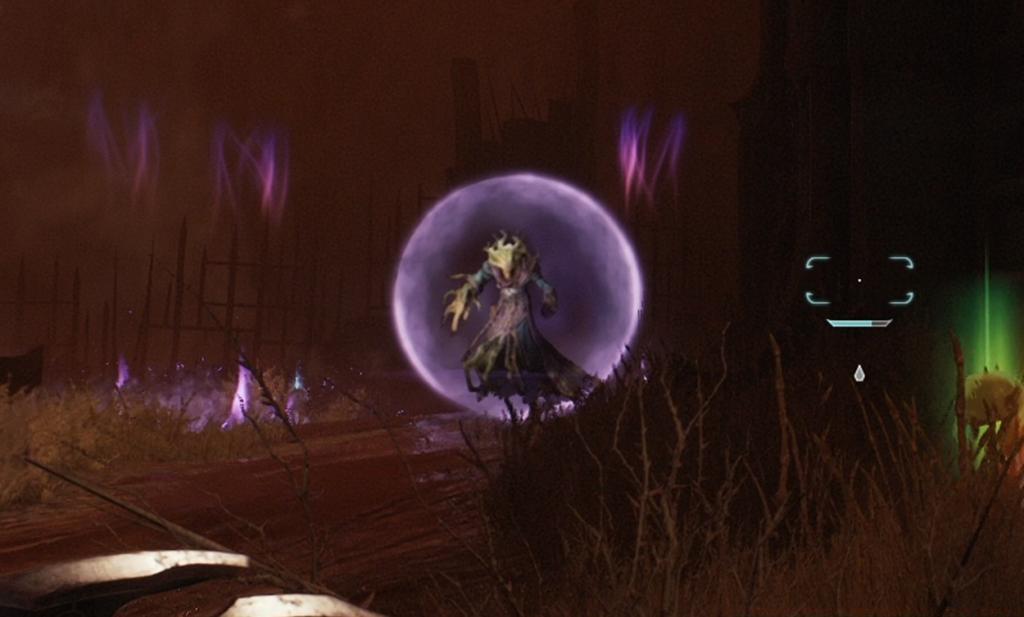
Acolytes serve as the game’s primary support caste, employing magical abilities to enhance allied demons rather than engaging in direct combat. This role makes them high-priority targets despite their relatively low individual threat level.
These robed figures typically position themselves at the periphery of engagements, casting buffs that increase the durability, damage output, or speed of other enemies.
Their tactical impact becomes most apparent in group encounters where multiple Acolytes can dramatically alter the combat dynamic through cumulative enhancements.
Interruption Priority: Acolyte spellcasting features visible channeling animations that create interruption windows. Successfully disrupting their casts not only prevents enemy empowerment but often staggers them, creating elimination opportunities.
The most effective approach involves using rapid-fire weapons to break their concentration during channeling, then switching to high-damage options for the finish.
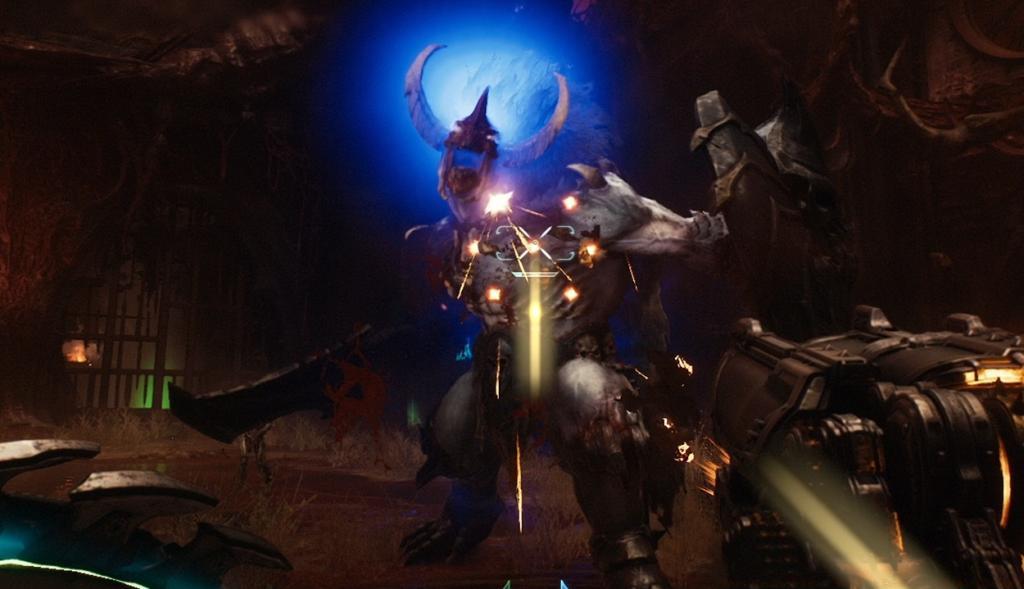
Agaddon Hunters represent the game’s elite tracking specialists, featuring advanced pursuit algorithms that make escape exceptionally difficult once engaged.
These hunters utilize sophisticated tracking mechanics that allow them to anticipate player movement patterns and cut off retreat routes. Their persistence creates engagement scenarios where disengagement becomes nearly impossible without environmental assistance.
Aggression Management: These enemies respond dynamically to player aggression levels – excessive offensive pressure triggers more evasive behaviors, while defensive postures encourage aggressive advances.
Optimal engagement involves controlled aggression cycles – applying sufficient pressure to prevent their positioning advantage while maintaining defensive readiness for their counter-attacks.
Their movement patterns combine calculated advances with sudden bursts of speed, requiring constant situational awareness rather than tunnel vision on immediate threats.
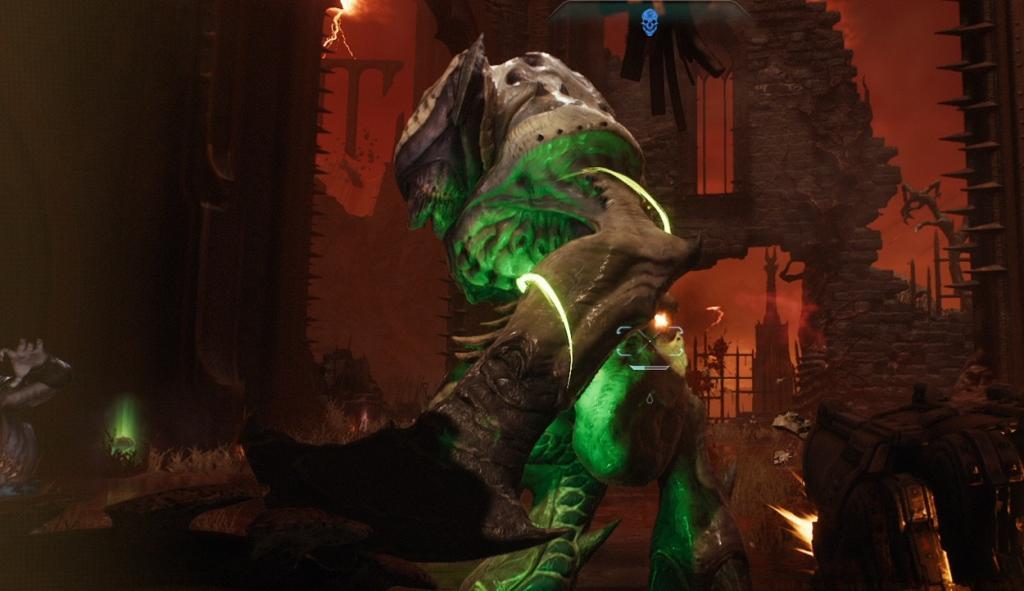
The Cosmic Baron stands as the pinnacle of Doom The Dark Ages’ enemy design, combining multiple combat mechanics into a single devastating package. This enemy represents the ultimate test of everything players have learned throughout the campaign.
Cosmic Barons feature multiple combat phases that require adapting strategies throughout the encounter. Each phase introduces new attack patterns, defensive mechanics, and environmental interactions.
Resource Management: These encounters demand careful ammunition, health, and armor conservation, as resource exhaustion during later phases typically results in failure.
Their attack repertoire includes area-denial abilities, teleportation maneuvers, and devastating ultimate attacks that can instantly eliminate unprepared players.
Success requires mastering multiple weapon types, movement techniques, and mechanical interactions learned throughout the entire game experience.
Beyond individual enemy strategies, mastering Doom The Dark Ages requires developing comprehensive combat methodologies that work across multiple encounter types. These advanced techniques separate competent players from true Slayer masters.
Weapon Loadout Optimization: Different enemy types respond differently to various damage sources. Maintaining a balanced arsenal that covers different engagement ranges and damage types proves crucial for handling unexpected combat scenarios.
Movement mastery represents another critical skill – advanced players utilize complex movement patterns including strafe jumping, crouch sliding, and environmental navigation to maintain tactical advantage.
Resource conservation becomes increasingly important during extended engagements and higher difficulty settings. Learning to maximize damage efficiency while minimizing resource expenditure dramatically improves campaign completion consistency.
For players seeking to deepen their understanding of game mechanics, our Complete Guide offers detailed breakdowns of advanced combat techniques.
Action Checklist
- Master Chaingunner shield break timing using plasma weapons
- Practice Vagary weak point targeting in early game arenas
- Develop Hell Knight parry reflexes in controlled encounters
- Learn Nightmare Imp Stalker audio cue recognition in stealth scenarios
- Master Cyberdemon glory strike execution and vulnerability windows
No reproduction without permission:Tsp Game Club » Doom The Dark Ages: Hardest Enemies to Fight (Ranked) Master the 10 most challenging Doom The Dark Ages enemies with expert strategies and combat tactics