
A comprehensive guide to Dragon Ball Gekishin Squadra’s unique MOBA mechanics, character roster, and strategic gameplay approach
Introduction to a Simplified MOBA Experience
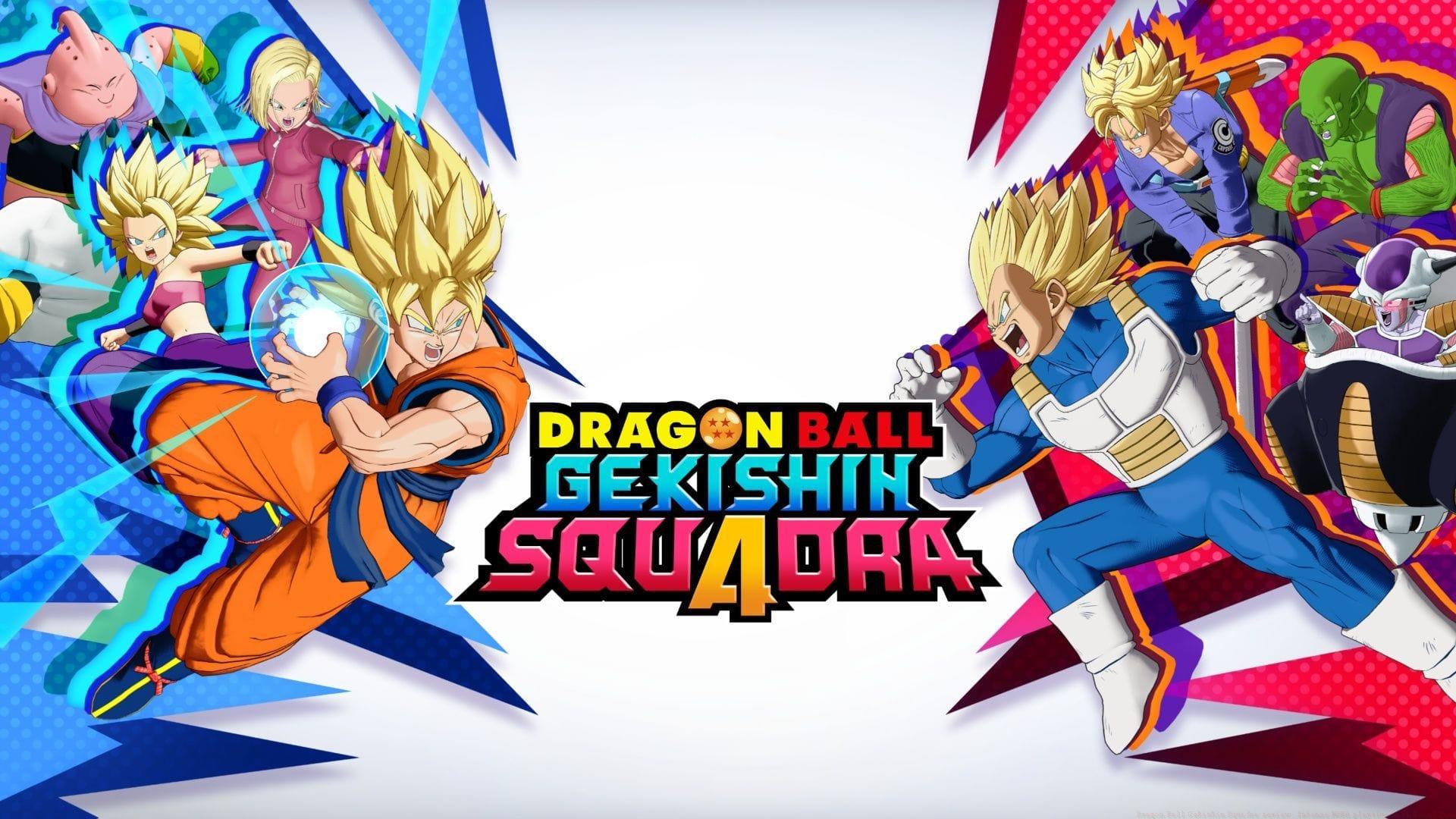
Having extensively tested Dragon Ball Gekishin Squadra across multiple sessions, including early demos and recent press events, I can confidently assess its place in the MOBA landscape. As someone who appreciates Dragon Ball’s legacy more than complex competitive gaming, this title strikes an impressive balance between accessibility and depth. The cross-platform availability on PC, PlayStation 5, and mobile devices ensures players can engage regardless of their preferred gaming setup.
Technical Note: Network performance observations in this analysis reflect pre-release conditions, primarily experienced on Asian servers due to connectivity constraints. Final release performance may vary significantly.
Dragon Ball Gekishin Squadra distinguishes itself by eliminating many traditional MOBA barriers to entry. Unlike titles requiring meticulous last-hit timing or complex item builds, this game focuses on immediate action and recognizable Dragon Ball mechanics. The learning curve accommodates newcomers while providing meaningful progression paths for experienced players seeking mastery.
Core Gameplay Mechanics and Innovations
The fundamental structure of Dragon Ball Gekishin Squadra revolutionizes traditional MOBA lane dynamics. Rather than managing waves of minions, players encounter scattered enemy grunts that provide experience points when defeated. These opponents respawn rapidly, ensuring consistent leveling opportunities without frustrating downtime. The combat system favors accessibility with a hold-to-attack mechanic that automatically targets nearby enemies, significantly reducing the mechanical skill requirement for basic farming.
Strategic depth emerges through the innovative Grand Zeno tower assault system. The cosmic entity periodically traverses lanes, triggering damage opportunities against Gods of Destruction (replacing traditional towers) when he strikes them with his signature hammer. During these brief windows, player attacks transform into empowered Gekishin Bursts that deal structural damage. However, these charged attacks can be interrupted by enemy assaults, creating compelling risk-reward decisions about engagement timing.
Defensive mechanics further distinguish the experience. Positioned beneath friendly towers, Angels provide gradual health regeneration when players avoid combat, reducing the frequency of lengthy retreats to base. This system rewards tactical positioning and map awareness while maintaining combat flow. Additional strategic elements include periodic mini-boss appearances featuring familiar Dragon Ball antagonists like Nappa, whose defeat grants temporary team-wide buffs similar to League of Legends’ Baron Nashor.
Pro Tip: Time your Gekishin Bursts immediately after Grand Zeno’s hammer strike for maximum damage output, but always scout surrounding areas first to avoid interruption from hidden opponents.
Character Roster and Role Breakdown
Dragon Ball Gekishin Squadra features an impressively diverse character selection spanning multiple Dragon Ball universes. The roster draws from Dragon Ball Z, GT, Super, Daima, and the film series, offering unexpected inclusions like Cooler, Bojack, and Baby that will delight franchise enthusiasts. Each hero follows one of three primary archetypes: Damage Dealer, Tank, or Technical specialist, with team compositions typically featuring two damage dealers, one tank, and one technical character.
Damage Dealers: Super Sayajin Goku, Dabura, Piccolo, Future Trunks – These offensive specialists excel at eliminating opponents but require protection due to lower durability.
Tanks: Perfect Cell, Zamasu, Super Sayajin Vegeta, Caulifla (Berserker) – Durable frontline champions who absorb damage and create space for teammates.
Technical Characters: Krillin, Son Gohan (Kid), Majin Buu (Good) – Utility-focused heroes providing crowd control, healing, or strategic disruption.
Character-specific transformation mechanics authentically recreate iconic Dragon Ball moments. Perfect Cell must drain life force from opponents to achieve his perfect form, while Super Sayajin Vegeta unlocks enhanced capabilities through combat progression. These transformations aren’t merely cosmetic—they fundamentally alter gameplay dynamics and power levels mid-match. Despite the extensive roster, notable omissions include classic Dragon Ball representatives like Tao Pai Pai, leaving room for future expansions.
Common Mistake: New players often overlook role synergy—pairing two technical characters typically creates team composition issues, while doubling up on tanks reduces overall damage output.
Advanced Systems and Customization
Beyond basic abilities, Dragon Ball Gekishin Squadra incorporates sophisticated customization through Divine Combo Cards—equippable modifiers that activate under specific conditions. Players can equip three cards simultaneously, with each role having access to specialized options. The Wicked Warrior card, for instance, enhances basic attack damage for four seconds after initiating a Rush Attack sequence, triggered by landing three consecutive Rush Attacks on an enemy hero.
These cards introduce nuanced build variety without overwhelming complexity. Strategic players can tailor their loadouts to counter specific opponents or amplify their preferred playstyle. The system encourages experimentation while maintaining balance through conditional activation requirements. Combined with temporary buffs/debuffs resembling traditional MOBA summoner spells, these systems provide meaningful decision points throughout matches.
The game’s business model deserves particular praise for avoiding pay-to-win pitfalls. While character unlocks can be accelerated through purchases, no monetized elements directly impact combat effectiveness. The shop exclusively offers cosmetic items like alternate costumes, color schemes, and emotes. Crucially, character power progression remains tied to in-match performance—Perfect Cell’s transformation, for example, requires successful gameplay execution rather than financial investment.
Advanced Strategy: Combine Divine Combo Cards that trigger under similar conditions to create powerful synergistic effects, such as pairing attack enhancement cards with mobility options for aggressive playstyles.
Visuals, Audio, and Performance
Dragon Ball Gekishin Squadra’s visual presentation prioritizes character clarity over environmental complexity. While battlefield designs remain relatively basic, this intentional minimalism ensures combat readability during intense team fights. Character models authentically recreate their anime counterparts with vibrant special effects that capture the explosive energy of Dragon Ball combat. The visual feedback during transformations and ultimate abilities delivers satisfying cinematic moments.
Audio design generally excels with authentic voice acting from series veterans and impactful sound effects that emphasize attack weight. However, the implementation suffers from repetitive menu dialogue—the selected home screen character repeats identical lines at brief intervals, creating unnecessary annoyance. The musical score, while serviceable, misses opportunities to incorporate beloved Dragon Ball tracks, likely due to streaming copyright considerations.
Performance across platforms demonstrates impressive optimization, particularly regarding controller support. The control scheme translates MOBA mechanics comfortably to gamepads without sacrificing responsiveness. Cross-platform play functionality ensures healthy matchmaking populations, though regional server performance will determine final experience quality. Pre-release builds showed promising stability with minimal technical issues beyond expected beta-period quirks.
Optimization Tip: Adjust audio settings to reduce voice repetition frequency or switch menu characters regularly to minimize dialogue fatigue during extended play sessions.
Final Verdict and Strategic Recommendations
Dragon Ball Gekishin Squadra successfully carves its niche in the MOBA landscape by prioritizing accessibility without sacrificing strategic depth. The game respects players’ time through streamlined mechanics while maintaining meaningful progression systems and team-based competition. While not without balance concerns—Future Trunks currently demonstrates excessive strength—the foundation supports ongoing refinement through future updates.
The title excels as an entry point for Dragon Ball enthusiasts curious about MOBAs or competitive gamers seeking a less mechanically demanding alternative. The innovative Grand Zeno system creates unique strategic patterns distinct from traditional lane-pushing gameplay. Combined with authentic character representation and transformation mechanics, the experience captures Dragon Ball’s essence while functioning as a competent competitive title.
With robust technical performance, ethical monetization, and cross-platform accessibility, Dragon Ball Gekishin Squadra establishes a strong foundation for long-term growth. The developers have demonstrated understanding of both source material authenticity and genre requirements, positioning the game for potential success within both Dragon Ball and MOBA communities.
No reproduction without permission:Tsp Game Club » Dragon Ball Gekishin Squadra review: Intense MOBA playtime with Grand Zeno A comprehensive guide to Dragon Ball Gekishin Squadra's unique MOBA mechanics, character roster, and strategic gameplay approach