
Master Elden Ring Nightreign with our definitive class tier list, expert strategies, and actionable beginner tips
Introduction: Nightreign’s Unique Challenge
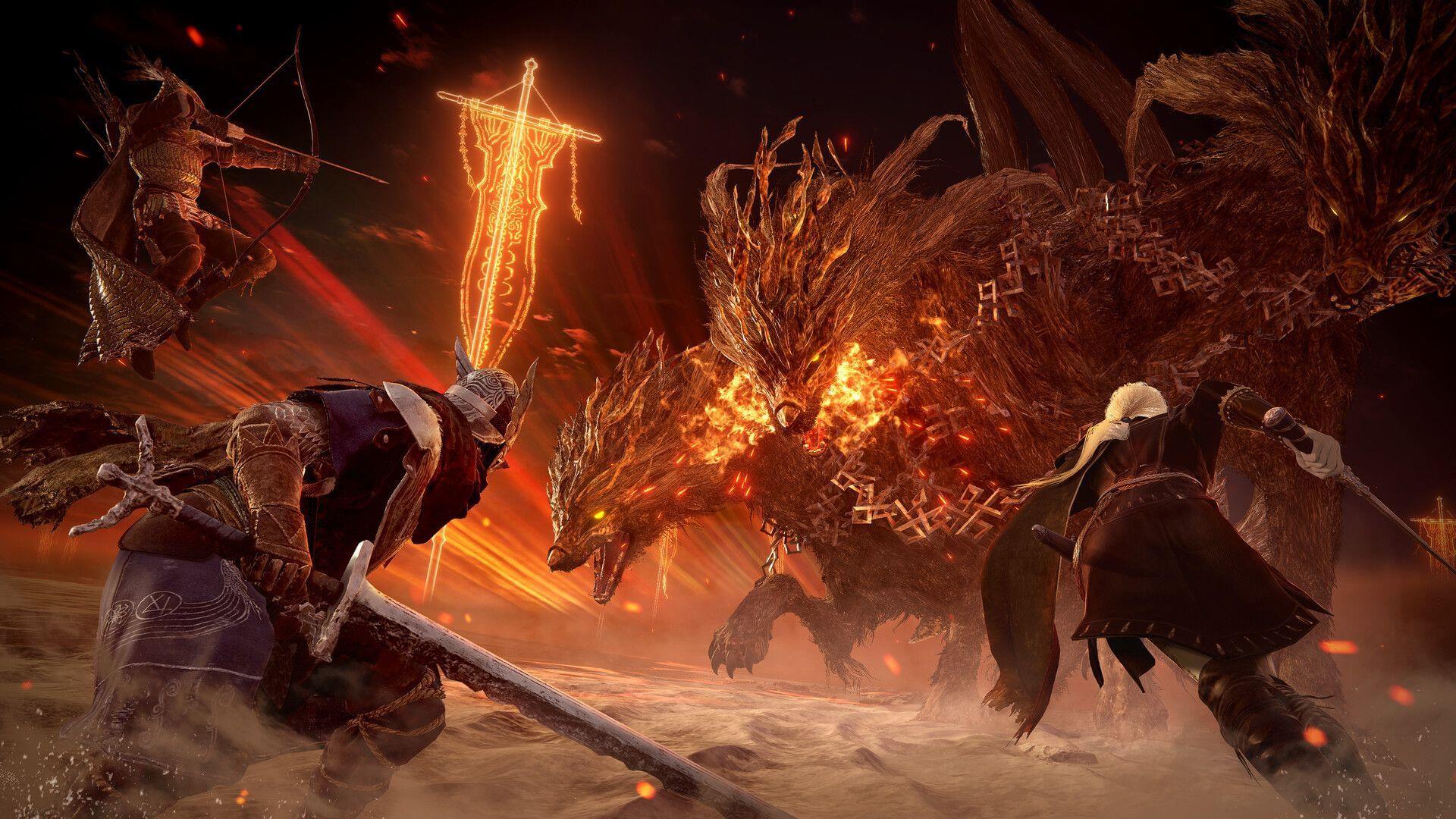
Elden Ring Nightreign transforms the foundational Soulsborne experience into a dynamic, team-based roguelike. Your success hinges not just on personal skill, but on strategic class selection and the ability to adapt to randomized loot and unpredictable boss encounters. This guide breaks down each class’s strengths, weaknesses, and optimal playstyles to help you conquer the ever-shifting challenges.
Key Differentiators from Base Elden Ring: The roguelike structure means your build is never static. You must make the most of random weapon drops, artifact relics, and spell offerings. Fast-paced team combat emphasizes synergy—your class must complement your allies’ choices to manage aggro, healing, and damage windows effectively.
S-Tier: The Powerhouse Picks
The Duchess: The Burst Damage Specialist
Dominating the meta, The Duchess excels at converting short attack windows into massive health bar deletion. Her signature ability, Restage, is a high-skill-capacity tool that replays a portion of damage dealt in the preceding moments. Mastering its timing against boss attack patterns is crucial. The relic that auto-triggers Restage during chains simplifies her rotation but doesn’t diminish the need for positioning. Her invisibility ultimate isn’t just an escape tool; use it aggressively to reposition for a backstab chain or safely revive a fallen teammate in the thick of combat.
Pro Tip: Pair with a teammate who can inflict status effects like Frost or Bleed. Restage can reapply the damage portion of these procs, leading to devastating burst combos.
Wylder: The Versatile Beginner King
Wylder’s immense strength lies in his flexibility. With excellent scaling in both Strength and Dexterity, he can effectively wield almost any melee weapon you find, making him incredibly resilient to bad loot RNG. His grappling-hook art isn’t just for mobility; use it to pull dangerous ranged enemies into melee range or to yank a teammate out of a deadly area-of-effect attack. While his massive fire blast ultimate deals high damage, its true value is in its wide area for breaking multiple enemy poise bars simultaneously, creating openings for your team.
Common Mistake: Beginners often spam the grapple, leaving them without an escape tool. Manage its cooldown like a defensive resource.
A-Tier: Consistent & Strategic
Ironeye: The Ranged Controller
As the premier ranged specialist, Ironeye controls the battlefield. His basic art’s marking effect is a force multiplier; always prioritize marking high-value targets for your team’s heavy hitters. The dodge component is vital for kiting and maintaining critical distance. His storm arrow ultimate is a multi-tool: use it to revive from a safe distance, snipe a boss’s poise during a long animation, or clear groups of weaker enemies. His low per-hit damage means he relies on consistent pressure and team coordination.
The Recluse: Elemental Support Mage
The Recluse’s potential is gated by RNG but phenomenal with the right spells. Magick Cocktail demands a diverse spell inventory to maximize its elemental mixing bonus. Don’t just hoost high-damage spells; include utility spells that inflict slow or debuffs. Her ultimate makes her a potent off-healer; position yourself to hit both allies and enemies with its area to maximize FP and HP regeneration for your team while contributing to damage.
Optimization Tip: Prioritize finding spells of different elements early in a run to unlock Magick Cocktail’s full scaling potential.
Executor: The Parry Master
A high-risk, high-reward pick for veterans. The perfect guard skill can negate any attack, but mistiming it is catastrophic. The damage ramp is immense, making Executor a boss-melting machine in skilled hands. The movement restriction while channeling his key ability requires exceptional pre-positioning and team communication to lock down enemies. He pairs exceptionally well with a tank drawing aggro.
B-Tier: Niche & Situational
Raider: The Stamina-Managed Brute
The Raider’s raw power is undeniable, but he is a stamina black hole. His playstyle is a constant balance: two heavy attacks might kill a foe, but leave you vulnerable. Always have a stamina regeneration buff or consumable ready. He excels in teams with a dedicated support (like Recluse) who can provide stamina regen or damage buffs to offset his downtime. Without support, he becomes a liability in longer fights.
Revenant: The High-Risk Faith User
Revenant’s performance is the most loot-dependent. Faith-scaling weapons and Incantations are rare. A successful run with her requires aggressively rerolling loot choices at shrines to seek these items. If you find them early, she becomes a potent hybrid damage/healer. If not, you are essentially a subpar melee fighter. Only choose her if you’re prepared for a potential grind and have teammates who can carry until you find your key items.
Pitfall Alert: Never invest early run resources into upgrading a non-faith weapon as Revenant, hoping to make it work. It’s a resource trap.
Guardian: The Demanding Tank
The Guardian’s concept is sound, but his execution requires specific support. His base block consumes too much stamina. To function, he must find artifacts that enhance block stability or stamina regeneration. His basic art’s limitation means he cannot hold aggro against elite foes without external taunts or high damage. In a coordinated team willing to funnel specific relics to him, he can work. In pickup groups, he often fails to protect his allies effectively.
Advanced Strategies & Common Pitfalls
Synergy and Team Composition
A balanced team typically needs: one primary damage dealer (Duchess, Executor), one crowd control/ranged (Ironeye), and one support/flex slot (Wylder, Recluse). Avoid doubling up on classes with the same weakness (e.g., two stamina-hungry Raiders).
Resource Management Tips
• Stamina: Never empty your stamina bar completely. Always leave enough for a dodge roll.
• FP: For casters, basic attacks are your primary FP regeneration tool. Don’t just stand idle.
• Healing Flasks: Communicate with your team about flask usage. Wasting a flask when a teammate’s ultimate can heal is a common mistake.
Mistakes to Avoid
1. Ignoring Loot Synergy: Taking a powerful weapon that doesn’t scale with your class’s primary stats.
2. Poor Ultimate Timing: Using ultimates for raw damage when their utility (revive, poise break, heal) is needed more.
3. Lack of Adaptation: Sticking to a single strategy when the run’s loot forces a different playstyle. Nightreign punishes rigidity.
Final Verdict & Playstyle Recommendations
Your class in Elden Ring Nightreign sets the foundation, but your game knowledge and adaptability determine victory. S-tier classes offer a smoother learning curve and higher floor, while B-tier classes can achieve greatness with specific loot and coordinated teams.
Ultimately, skill, timing, and strategic flexibility matter as much as the tier list. Experiment in shorter expeditions to learn class nuances. A lower-tier class mastered is often better than a top-tier class played poorly. The most important choice is the one that fits your preferred playstyle and your team’s collective strategy.
Also read: Can you play Elden Ring Nightreign as a newcomer to Souls-borne series?
- Elden Ring Nightreign review: A brilliant evolution of The Lands Between
- How many expeditions does Elden Ring Nightreign have?
- Is Elden Ring Nightreign a DLC?
- 5 things you should know before playing Elden Ring Nightreign
No reproduction without permission:Tsp Game Club » Elden Ring Nightreign: Character tier list Master Elden Ring Nightreign with our definitive class tier list, expert strategies, and actionable beginner tips