
Master Final Fantasy Tactics difficulty settings with expert strategies for beginners to veterans
Understanding the Three Difficulty Settings
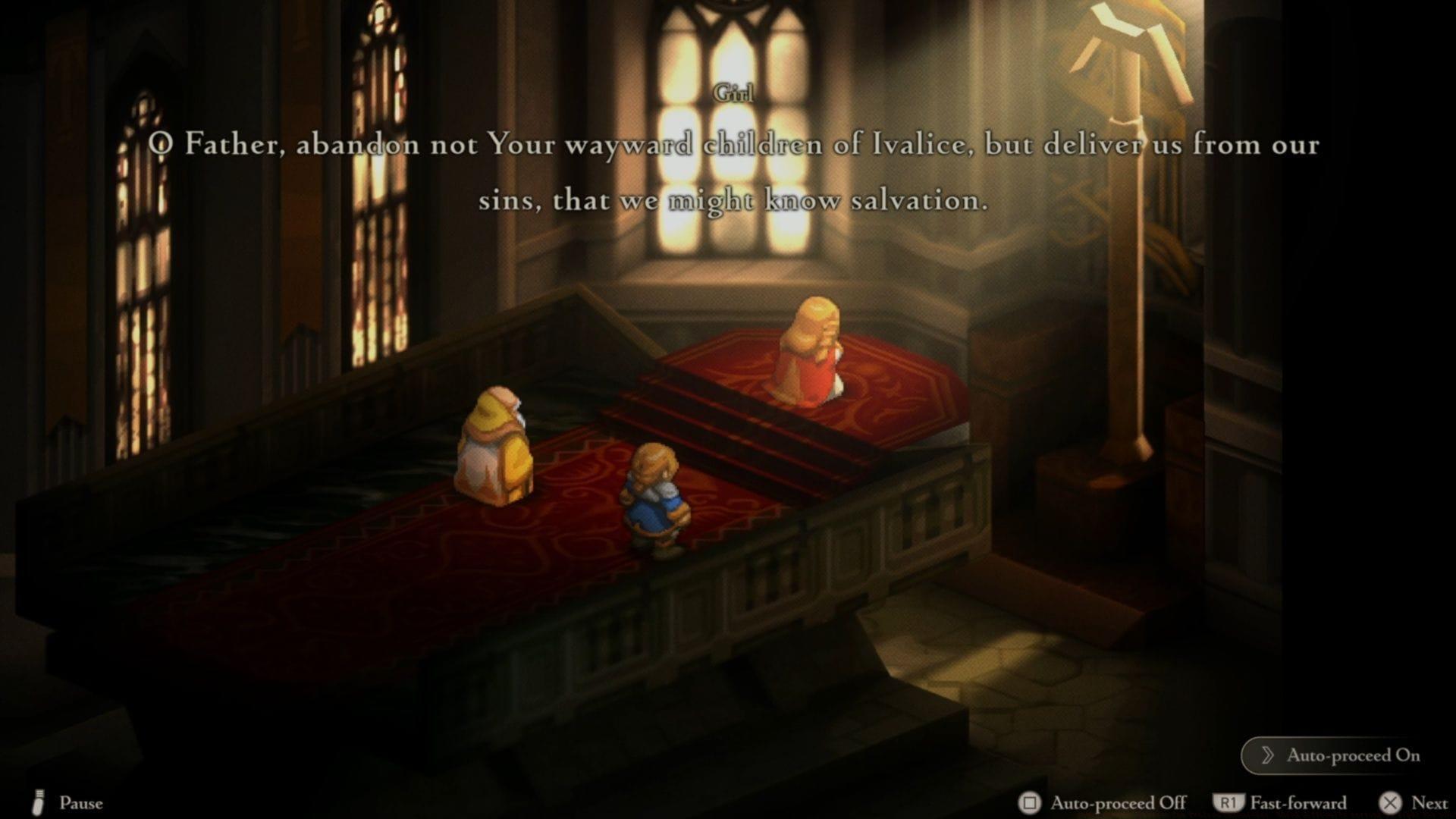
Final Fantasy Tactics The Ivalice Chronicles presents players with three distinct difficulty settings that can be adjusted at any point when not engaged in combat. This flexible system directly addresses historical criticism of the original game’s steep learning curve, as confirmed by developer Kazutoyo Maehiro. While I personally gravitate toward the Tactician setting for its authentic challenge, each option serves specific player preferences and skill levels.
Squire Difficulty serves as the entry point for tactical RPG newcomers or those who found the original Final Fantasy Tactics overwhelmingly difficult. This setting significantly reduces enemy aggression patterns and simplifies combat mechanics, allowing complete focus on the intricate narrative of political intrigue and religious conflict. You’ll experience the full story without the frustration of repeated battle failures.
Knight Difficulty establishes a carefully calibrated middle ground that maintains strategic engagement while avoiding excessive punishment. This setting proves ideal for players who encountered occasional struggles with protection missions involving characters like Mustadio in the original game. The balance between challenge and accessibility makes it the recommended starting point for most players.
Tactician Difficulty delivers the uncompromising experience veteran players remember from the PlayStation original. This mode demands meticulous planning, precise execution, and willingness to restart battles multiple times when strategies fail. Early game encounters feature dramatically increased counter attack frequencies that force fundamental changes to basic combat approaches.
Strategic Considerations for Each Difficulty
The transition between difficulty levels significantly impacts your strategic approach throughout the game’s progression. On Squire setting, you can experiment with unconventional job combinations and focus on character development without worrying about optimal positioning. Knight difficulty requires basic understanding of terrain advantages and ability synergies, while Tactician demands mastery of advanced concepts like turn order manipulation and damage calculation.
Early game challenges vary dramatically across difficulty settings. Tactician mode introduces what many players describe as “counter attack hell” during initial chapters, where enemies trigger counter abilities at nearly 90% frequency. This forces players to reconsider basic attack patterns and prioritize abilities that bypass counter mechanics. The adjustment period typically lasts until mid-game when your party develops more tactical options.
Party composition requires different considerations based on your chosen difficulty. Squire mode allows for narrative-focused teams with suboptimal job combinations. Knight difficulty benefits from balanced parties with dedicated healers and tanks. Tactician demands min-maxed compositions with specific job combinations like Calculator/Black Mage or Ninja/Monk to handle the increased enemy intelligence and stats.
Mid-to-late game transitions also differ significantly. While Squire maintains consistent challenge throughout, Tactician features noticeable difficulty spikes at specific story battles that may require grinding or strategy revisions. Understanding these progression patterns helps players prepare for upcoming challenges and adjust their approach accordingly.
Advanced Tactics and Common Pitfalls
Mastering counter attack management becomes crucial on higher difficulties. Enemies possess enhanced AI that prioritizes optimal counter opportunities, particularly in early game scenarios. Instead of straightforward attacks, employ spells, ranged abilities, or skills that inflict status effects to bypass counter mechanics entirely. Positioning units to limit enemy counter opportunities also reduces incoming damage significantly.
Protection missions represent major difficulty spikes, especially when safeguarding AI-controlled allies like Mustadio or Rapha. These characters often make questionable positioning decisions that leave them vulnerable to area-of-effect abilities like Ultima. On Tactician difficulty, anticipate these movements by leaving safety margins and keeping healing resources available for emergency recovery.
Grinding efficiency varies across difficulty settings. While Squire mode allows rapid experience gain through quick battles, Tactician requires more strategic grinding approaches. Focus on multi-enemy abilities and optimize turn order to maximize experience per time investment. The ability to temporarily lower difficulty for grinding sessions provides flexibility without compromising your overall challenge preference.
Common beginner mistakes include overextending units, ignoring height advantages, and underestimating enemy movement ranges. Advanced players should master skill inheritance systems and understand the hidden formulas governing hit percentages and damage calculation. These technical details separate consistent success from repeated failures on the highest difficulty setting.
Final Fantasy Tactics The Ivalice Chronicles represents a masterpiece of tactical RPG design, launching on September 30, 2025. The flexible difficulty system ensures players of all skill levels can enjoy this legendary game while providing appropriate challenges for veterans seeking authentic experiences.
No reproduction without permission:Tsp Game Club » Final Fantasy Tactics The Ivalice Chronicles: Which difficulty setting is right for you? Master Final Fantasy Tactics difficulty settings with expert strategies for beginners to veterans