
TL;DR
- Microsoft’s resource reallocation from cancelled MMO to Fallout 5 creates perfect timing for studio change
- Bethesda’s technical limitations and design stagnation were exposed by Starfield’s reception
- Obsidian demonstrated superior narrative design and worldbuilding in Fallout: New Vegas
- The studio’s recent work on Avowed shows advanced environmental storytelling capabilities
- Community sentiment strongly favors Obsidian’s approach to RPG depth and player choice
The Fallout fanbase received exciting developments recently when insider reports confirmed the next mainline series installment received official approval. While specific production details emerged through these leaks, the crucial question of which development team would helm Fallout 5 remained unanswered. This ambiguity fuels extensive discussion within gaming circles, with compelling evidence suggesting Obsidian Entertainment represents the optimal choice for this prestigious assignment.
According to industry analyst Jez Corden during his appearance on the Xbox Two podcast, Microsoft’s decision to proceed with Fallout 5 aligned with significant workforce reductions across their gaming divisions. More precisely, the termination of Zenimax Online’s ambitious multiplayer project (internally designated Project Blackbird) led Microsoft to redirect development assets toward the beloved post-apocalyptic franchise.
Corden characterized the strategic decision as “Should we continue pouring substantial funding into bringing this Zenimax Online MMO to market readiness against established competitors, or channel those investments into creating Fallout 5?”
Xbox leadership apparently considers a new Fallout installment represents lower financial risk compared to launching an original intellectual property, which aligns logically given the series’ massive fan following and critical acclaim. However, Fallout 76 significantly damaged the property’s credibility, while player reception to Fallout 4 remains decidedly mixed at best.
These factors, combined with additional compelling rationale, strongly indicate that Obsidian represents the ideal development partner for Fallout 5. With Bethesda’s primary focus directed toward The Elder Scrolls VI and potential Starfield expansion content, current circumstances create the perfect scenario for transferring development responsibilities to an alternative studio.
Let me establish my position clearly from the outset: I genuinely appreciate Bethesda’s game catalog. I’ve invested countless hours traversing Skyrim’s frosty peaks, meticulously arranging decorative items at Home Plate residence, and cautiously navigating the terrifying metro tunnels beneath Washington DC. I hold tremendous respect for their exploration-centric environmental storytelling methodology and the exceptional object interaction physics enabled by their proprietary Creation Engine technology.
However, Starfield’s launch revealed precisely how significantly Bethesda lags behind contemporary game design standards and storytelling structures. The development team persists in incorporating excessive loading transitions throughout their game worlds—a technical decision that conflicts dramatically with their uninspired mission progression systems. Navigating between locations within richly atmospheric settings like the Mojave Wasteland provides fundamentally different experience than journeying through the cosmic void of space while encountering constant interruptions in the form of loading sequences.

Even Starfield’s futuristic urban centers appear visually bland when measured against the sophisticated cyberpunk aesthetics of Night City or the vibrantly untamed landscapes throughout Eora. This observation leads to my central argument: Bethesda repeatedly fails to create engaging metropolitan environments that captivate players.
Bethesda consistently struggles to make its cities feel compelling
Consider New Atlantis as a primary example, which the game presents as an advanced interstellar hub. The settlement unquestionably boasts impressive scale and incorporates multiple distinct zones. Unfortunately, none of its areas encourage thorough investigation beyond superficial commercial interactions or deliver worldbuilding moments as instantly memorable as the nuclear-devotion cult Children of Atom residing within Megaton’s core.
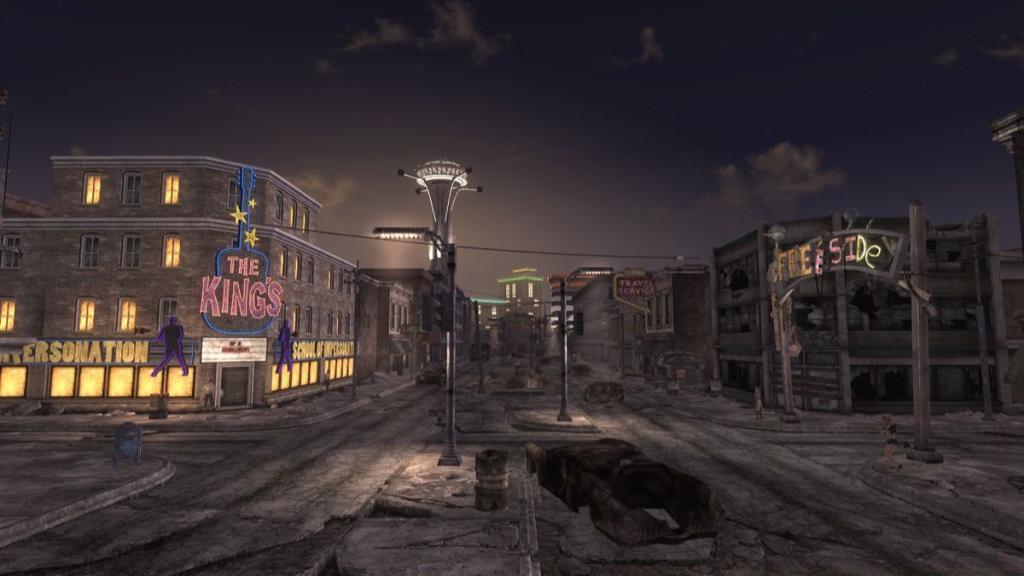
Common Design Pitfall: Many developers underestimate how environmental storytelling through subtle details—abandoned notes, contextual object placement, NPC behavioral patterns—creates more immersive experiences than explicit narrative exposition. Obsidian mastered this technique in New Vegas, where every location told multiple stories simultaneously through careful design.
Obsidian Entertainment’s work on Fallout: New Vegas established the gold standard for series storytelling, demonstrating profound understanding of the franchise’s core identity while introducing innovative mechanics. The studio’s reputation for crafting deeply branching narratives with meaningful player agency positions them perfectly for modern Fallout development. Their recent projects showcase significant technical evolution while maintaining narrative sophistication.
The development team’s approach to faction design in New Vegas created unprecedented roleplaying depth, where player decisions generated tangible consequences throughout the game world. This design philosophy contrasts sharply with Bethesda’s more recent tendency toward superficial choice systems that lack lasting impact.
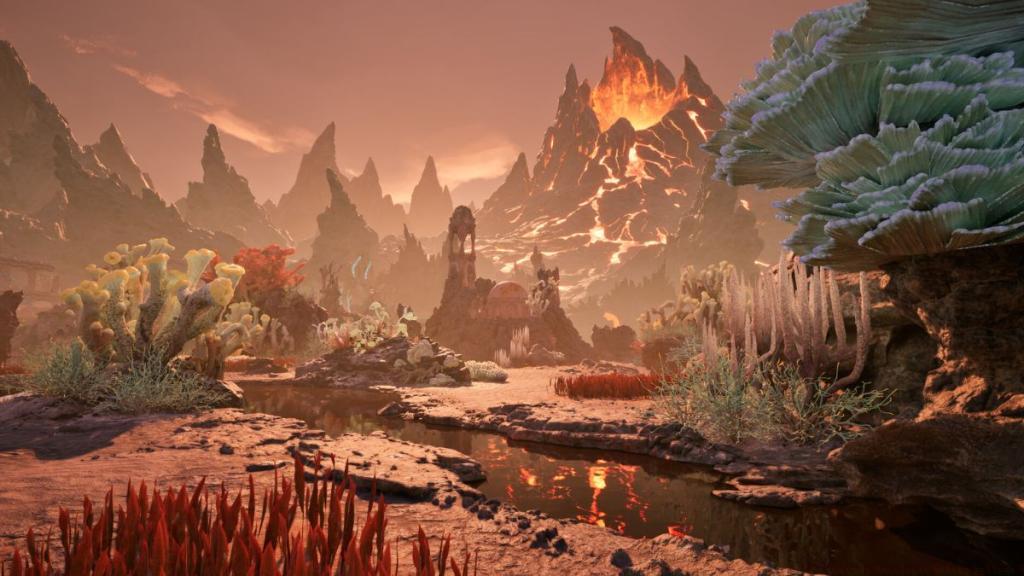
Practical Development Insight: Obsidian’s modular approach to world design allows for richer environmental storytelling. Instead of creating massive but empty spaces, they build smaller, densely packed areas filled with discoverable content, environmental clues, and interconnected narratives that reward thorough exploration.
The studio’s upcoming fantasy RPG Avowed demonstrates their continued commitment to creating vibrant, living worlds with distinct visual identities. Early footage reveals sophisticated biome diversity and atmospheric density that suggests significant advancement in their environmental design capabilities since their previous Fallout contribution.
Community sentiment overwhelmingly supports Obsidian’s return to the franchise, with many players considering New Vegas the series’ creative peak. This enthusiasm stems from Obsidian’s demonstrated ability to balance reverence for established lore with innovative storytelling approaches that expand the universe meaningfully.
Optimization Strategy: For developers transitioning between projects, maintaining consistent design documentation and establishing clear creative pillars ensures smooth development transitions. Obsidian’s track record suggests they would approach Fallout 5 with both respect for tradition and willingness to evolve the formula.
Action Checklist
- Analyze player feedback from Fallout 76 and Fallout 4 to identify specific improvement areas
- Review Obsidian’s narrative design documentation from New Vegas for inspiration
- Evaluate technical requirements for reducing loading screens and improving world seamlessness
- Study environmental storytelling techniques from recent successful RPGs
- Develop prototype settlement with multiple interactive layers and discoverable narratives
No reproduction without permission:Tsp Game Club » Forget Bethesda, Obsidian Should Be the Only Developer Making Fallout 5 Why Obsidian Entertainment should develop Fallout 5 instead of Bethesda Game Studios